

Health Editorial Team
Health Editorial Team is the collective byline for our editorial team and contributor network. Articles published under this byline or an editorial pen name are researched, written, and reviewed according to our editorial standards for clarity, consistency, and independence before publication.

Brown Rice vs. White Rice: Sorting the Nutrition Facts from the Noise
Both are affordable staples, but their nutritional profiles differ. Here's a clear, evidence-based look at when each fits into a healthy diet.
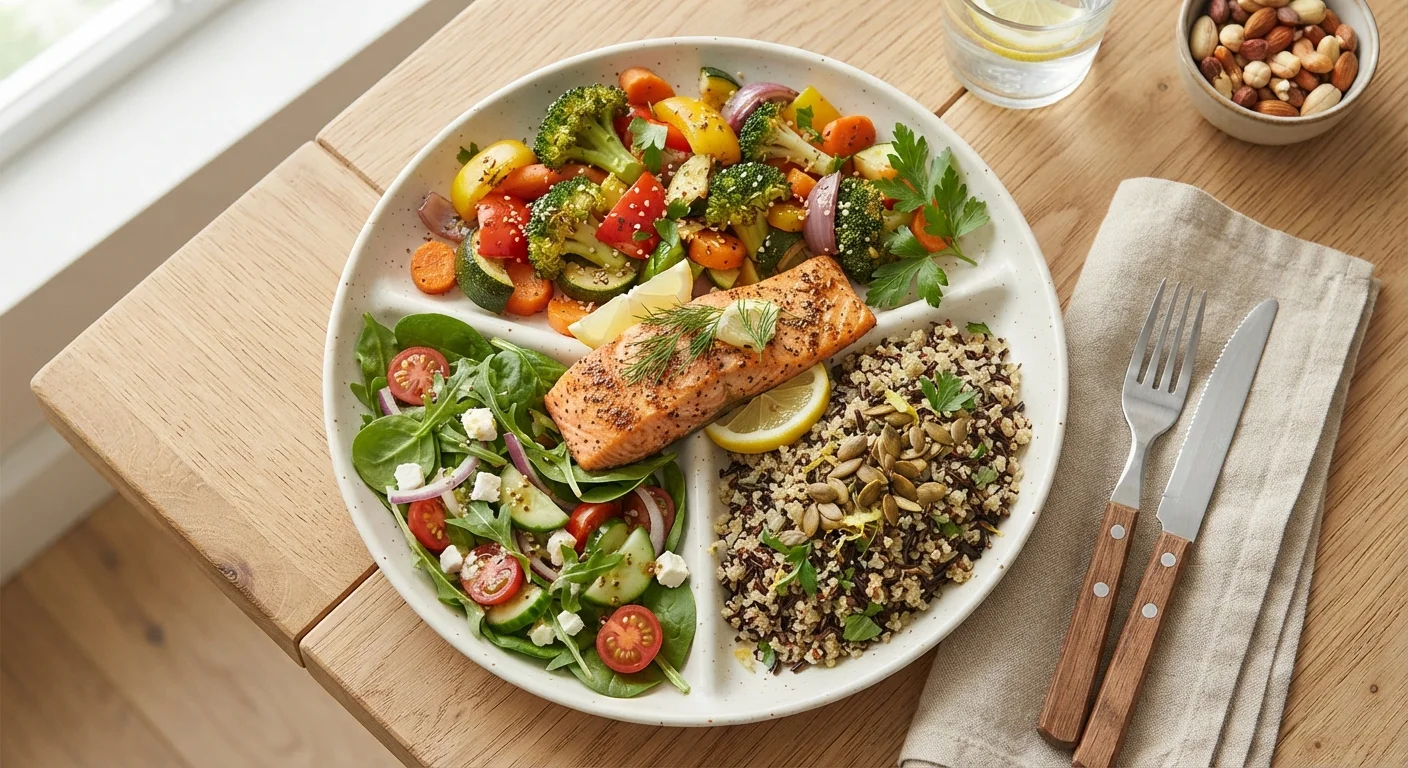
Building a Balanced Plate Without a Nutrition Degree
No calorie-counting apps or complicated charts needed. Learn the straightforward principles behind a nutritionally balanced meal, explained simply.

Eating Well on $50 a Week: A Practical Nutrition Roadmap
A realistic, week-by-week framework for meeting your nutritional needs without breaking the bank—no deprivation required.

Fiber: The Nutrient Most Americans Consistently Under-Eat
Fiber supports digestion, blood sugar, and satiety, yet most US adults fall well short of recommendations. Here's what it is and where to find it affordably.

Frozen vs. Fresh Vegetables: What Nutrition Research Actually Shows
Is fresh produce always healthier than frozen? Explore what the science says about nutrient retention, cost, and when each option makes sense.

Grocery Shopping Habits That Quietly Undermine Your Nutrition Goals
From skipping breakfast before shopping to misreading health claims, these common habits can steer even well-intentioned shoppers off course.

Interpreting Health Claims on Packaged Food
"Low fat," "natural," "multigrain"—these terms are regulated differently, or sometimes not at all. Know what each claim does and doesn't guarantee.

Keeping Your Pantry Stocked for Balanced Eating
A practical pantry checklist covering affordable staples—grains, legumes, canned goods, and more—that support nutritious everyday cooking.

Macronutrients, Micronutrients, and Why the Difference Matters
Confused by nutrition labels? Learn what macronutrients and micronutrients are, what each does, and why your body needs both to function well.

Portion Awareness Without Measuring Every Bite
Rigid portion tracking isn't sustainable for most people. These evidence-informed approaches help you develop intuitive portion awareness over time.

Protein on a Budget: Plant Sources That Genuinely Deliver
Beans, lentils, tofu, and more—discover which affordable plant proteins offer solid nutrition and how to make them satisfying everyday staples.

Stretching Nutritious Ingredients Across Multiple Meals
Cook once, eat well several times. Practical techniques for turning a handful of affordable, nutrient-dense ingredients into varied, balanced meals.

The Trade-Offs of Meal Prepping for the Week Ahead
Batch cooking saves time and can improve diet quality—but it also comes with real drawbacks. A balanced look at whether it suits your lifestyle.

What a Nutrition Facts Label Is Actually Telling You
Serving sizes, daily values, added sugars—decode every section of a nutrition label so you can make informed choices at the grocery store.

Whole Grains: What Qualifies and What Doesn't
"Whole grain" appears on everything from bread to crackers. Learn what the label actually requires and how to spot genuine whole grain foods.

Why Cheap Food Isn't Always the Least Nutritious
Common assumptions link low cost with poor nutrition, but the evidence is more nuanced. Separate the myths from the facts about budget eating.

Bodyweight Training at Home: Building Strength Without Equipment
A practical introduction to bodyweight exercises—squats, push-ups, planks, and more—for anyone starting a home fitness routine from scratch.

Building a Weekly Movement Plan Without Overcomplicating It
A practical checklist for structuring a realistic weekly activity routine—covering frequency, variety, rest, and how to adjust when life gets in the way.

Cardio vs. Strength Training: Which Should You Prioritize?
Explore how cardio and strength training differ in benefits, effort, and outcomes—and what general fitness research suggests about balancing both.

Fitness Myths That Keep People From Moving More
"No pain, no gain" and other persistent fitness myths unpacked. Separate common misconceptions from what general exercise science actually supports.

Fitness on a Tight Schedule: Movement Options Under 20 Minutes
Short on time doesn't mean short on options. Explore the general evidence around brief, frequent movement sessions and what formats tend to work well.

Free Fitness Resources Available Online: What's Actually Useful
Public libraries, government health portals, and free video platforms offer real exercise guidance. Here's what's out there and how to evaluate quality.

Getting Started with Running When You've Never Run Before
A grounded, step-by-step guide to building a running habit—covering pacing, rest days, footwear basics, and how to avoid burning out in week one.

Group Exercise vs. Solo Workouts: Finding What Keeps You Consistent
Accountability, cost, scheduling, and motivation all differ between group classes and working out alone. A balanced look at what each approach tends to offer.

How Rest and Recovery Fit Into a Sustainable Exercise Routine
Rest isn't laziness—it's part of training. Understand sleep, active recovery, and pacing principles that help movement habits last long-term.

Indoor vs. Outdoor Exercise: Trade-Offs Worth Knowing
Weather, cost, safety, and motivation all factor in. Here's a balanced look at what indoor and outdoor workouts each do and don't offer.

Low-Impact Movement Options for People With Joint Discomfort
Swimming, cycling, chair exercises, and more—an overview of gentler movement options and general considerations for exercising with joint sensitivity.

Movement Throughout the Day: Exercise Isn't Just What Happens at the Gym
From standing desks to stair climbing, discover how everyday movement habits contribute to overall health and why NEAT matters more than most people realize.

Sticking With a Home Workout Routine: What Tends to Go Wrong
Skipping rest days, setting unrealistic schedules, or never varying the routine—learn the patterns that undermine home fitness habits and how to avoid them.

Understanding the Physical Activity Guidelines Most Americans Don't Know About
Federal physical activity guidelines exist for adults, older adults, and kids—but most people have never read them. Here's a plain-language breakdown.

Walking as Exercise: What Actually Counts Toward Your Daily Activity Goals
Understand how walking stacks up as cardio, what pace and duration matter, and why it's one of the most underrated forms of daily movement.

Why Stretching Every Day Is More Complicated Than It Sounds
Static, dynamic, active—stretching types vary widely in purpose and timing. Learn what the evidence actually says about daily flexibility work.

Building a Daily Stress-Relief Routine Without Spending a Dime
Consistent habits beat expensive fixes. Explore practical, no-cost daily routines that help reduce stress and support emotional balance over time.

Common Myths About Therapy That Keep People From Seeking Help
Many people avoid therapy based on misconceptions. This article separates the myths from the facts to help you make a more informed decision about getting support.

Everyday Habits That Quietly Undermine Your Emotional Well-Being
Some of the routines people rely on for comfort can actually worsen stress and mood over time. Here's what to watch for and what to consider instead.

Free and Low-Cost Mental Health Resources Available in the US
Access to mental health support doesn't require a large budget. Here's a guide to community resources, hotlines, sliding-scale services, and public programs.

How Physical Activity Influences Mood, Anxiety, and Emotional Resilience
Exercise affects more than the body. Here's what we know about how movement influences stress hormones, mood regulation, and everyday emotional resilience.

Meditation vs. Deep Breathing: Picking the Right Calm-Down Tool for You
Both meditation and deep breathing can ease stress — but they work differently. Here's how each approach functions and when one might suit you better.

Setting Emotional Boundaries: What It Means and Where People Go Wrong
Emotional boundaries protect your well-being, but many people misunderstand what they are or how to set them. Here's a clear, grounded look at the concept.

Signs That Everyday Stress May Have Crossed Into Something More Serious
Stress is normal, but certain signs suggest your mental wellness may need more than self-care. Learn what to watch for and when to seek professional guidance.

Sleep Hygiene: The Habits That Actually Affect How Well You Rest
Good sleep starts long before bedtime. Learn what sleep hygiene means, which habits genuinely support rest, and which are overhyped.

Social Connection and Mental Health: What the Research Actually Shows
Loneliness is linked to a range of mental and physical health concerns. Here's what studies say about social connection and how it shapes emotional well-being.

Starting Your Mental Wellness Journey: A Ground-Level Introduction
New to thinking about mental wellness? This introduction covers core concepts, everyday strategies, and how to get started without feeling overwhelmed.

The Emotional Toll of Financial Stress - And Ways to Cope
Money worries are one of the most common sources of stress in the US. Learn how financial stress affects mental wellness and what coping strategies may help.

The Pros and Cons of Using Mental Health Apps for Everyday Emotional Support
Mental health apps are widely available and often free, but they're not a one-size-fits-all solution. Here's a balanced look at what they offer and where they fall short.

Therapy, Self-Help Apps, and Peer Support: Understanding Your Mental Wellness Options
From licensed therapists to community peer groups and digital tools, here's an honest look at the different ways people support their mental wellness.

What Is Mental Wellness - And How Is It Different from Mental Health?
Mental wellness and mental health are often used interchangeably, but they mean different things. Here's what each term covers and why the distinction matters.

Why Journaling Works - And the Science Behind Writing Through Stress
Journaling isn't just a trend. Research suggests regular reflective writing can reduce stress and improve emotional processing. Here's what the evidence says.