
Meditation vs. Deep Breathing: Picking the Right Calm-Down Tool for You
Both meditation and deep breathing can ease stress — but they work differently. Here's how each approach functions and when one might suit you better.
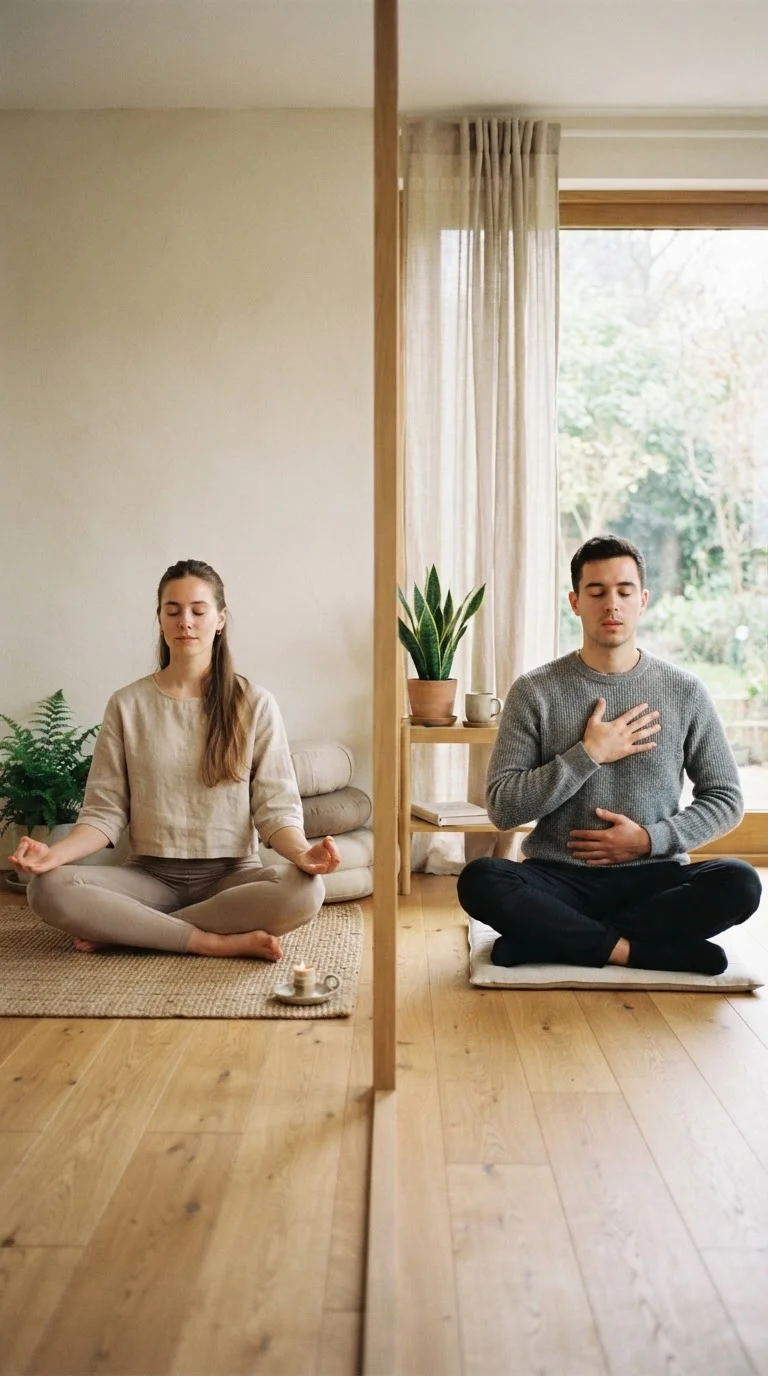
Photo: ReadersChronicle.com | Your Comprehensive Learning Destination editorial
—— In This Article
Key Takeaways
- Meditation trains attention and emotional regulation over time; deep breathing calms the nervous system within minutes.
- Both techniques are free, require no equipment, and carry very low risk for most healthy adults.
- Deep breathing is easier to learn immediately; meditation typically requires more consistent practice to feel its benefits.
- Research supports both approaches for reducing stress, anxiety, and blood pressure when practiced regularly.
- The best choice depends on your immediate need, available time, and willingness to commit to a routine.
- Neither replaces professional mental health care - consult a qualified provider for persistent or severe symptoms.
How Each Technique Actually Works
Meditation and deep breathing are often mentioned in the same breath - but they operate through distinct mechanisms. Understanding the difference helps you choose the right tool at the right moment.
Meditation is an umbrella term for practices that train sustained attention and non-reactive awareness. Common forms include focused attention (such as concentrating on a single object or sensation), open monitoring (observing thoughts without judgment), and loving-kindness practices. The physiological changes meditation produces tend to build gradually. Research published in journals such as JAMA Internal Medicine suggests consistent meditation practice is associated with reduced symptoms of anxiety, depression, and pain - though effects vary by individual and technique.
Deep breathing - sometimes called diaphragmatic or controlled breathing - works primarily through the body's autonomic nervous system. Slow, deliberate inhales and extended exhales stimulate the vagus nerve, which signals the parasympathetic nervous system to reduce heart rate and lower the stress hormone cortisol. Techniques like 4-7-8 breathing (inhale for four counts, hold for seven, exhale for eight) or box breathing (equal-count inhale, hold, exhale, and hold) are well-documented in clinical literature as fast-acting tools for acute stress.
In short: meditation re-trains the mind over time; deep breathing re-regulates the body in real time. Both are free and require no special equipment - a strong consideration for budget-conscious stress-relief routines.
| Criterion | Meditation | Deep Breathing |
|---|---|---|
| Primary mechanism | Trains attention and awareness | Regulates autonomic nervous system |
| Time to noticeable effect | Weeks of regular practice | Minutes within a single session |
| Learning curve | Moderate - consistency is key | Low - usable immediately |
| Typical session length | 10-20 minutes or more | 2-5 minutes |
| Best use case | Long-term resilience building | Acute, in-the-moment stress relief |
| Cost | Free (apps optional) | Free |
| Evidence strength | Strong for anxiety and mood over time | Strong for immediate cortisol reduction |
What the Evidence Says
Neither meditation nor deep breathing is a cure, but both have meaningful support from peer-reviewed research.
A widely cited meta-analysis in Psychological Bulletin found mindfulness-based programs - which typically center on meditation - had moderate effects on stress, anxiety, and depression compared with control conditions. The American Heart Association has noted that practices including slow breathing may support blood pressure management, though it stops short of recommending them as standalone treatments. These findings reflect general population trends; individual results depend on consistency, technique, and underlying health status.
Deep breathing's evidence base is particularly strong for acute responses. A 2017 study in Frontiers in Psychology found participants who completed a structured breathing program showed lower cortisol and reported improved mood compared with controls. The technique's advantage is immediacy: benefits can appear within a single session, making it accessible to people who are skeptical of longer practices.
38%
Adults reporting regular stress-reduction practice
According to the American Psychological Association's Stress in America survey, roughly 38% of U.S. adults use relaxation or meditation to manage stress.
~5 min
Time for deep breathing to lower heart rate
Clinical literature generally supports that 5 minutes of slow, controlled breathing can produce measurable reductions in heart rate and subjective tension.
8 weeks
Typical program length in mindfulness research
Most peer-reviewed mindfulness-based stress reduction (MBSR) studies use an 8-week structured program to measure meaningful cognitive and emotional changes.
If financial stress is a significant driver of your anxiety, both techniques may provide meaningful relief - and you can learn more about managing that specific type of stress in our article on the emotional toll of financial stress.
Choosing Based on Your Situation
The most useful question isn't which technique is objectively better - it's which fits your current life, goals, and available time.
Choose deep breathing if:
- You need relief within the next few minutes (before a difficult conversation, during a tense commute, or at a moment of acute worry).
- You have no prior experience and want immediate, tangible results to build motivation.
- You have only two to five minutes available.
- You prefer something discreet enough to practice at a desk or in a waiting room.
Choose meditation if:
- Your goal is reducing your overall baseline stress over weeks or months.
- You want to improve focus, self-awareness, or emotional regulation beyond immediate relief.
- You can commit to 10-20 minutes daily, ideally at the same time each day.
- You are open to a gradual process - early sessions often feel awkward before they feel beneficial.
Many people find the two work best in combination: a few deep breaths at the start of a session helps settle the mind before meditation begins. If you're also exploring habits that may be undermining your well-being without your noticing, some everyday routines may be working against you - worth reading alongside any new practice.
A Note on Special Populations
If you are pregnant, managing a chronic condition such as cardiovascular disease, or have a history of trauma or panic disorders, certain breathing techniques or meditation styles may need modification. Some intensive breath-focused practices can trigger dizziness or emotional distress in vulnerable individuals. Always consult your healthcare provider before starting a new stress-management practice if any of these circumstances apply to you.
This article is for general informational purposes only and is not a substitute for professional medical or mental health advice. If you are experiencing persistent anxiety, depression, or other mental health symptoms, please consult a qualified healthcare provider. See our article on signs that stress may have crossed into something more serious if you are unsure whether self-care is enough.

Health Editorial Team
Health Editorial Team is the collective byline for our editorial team and contributor network. Articles published under this byline or an editorial pen name are researched, written, and reviewed according to our editorial standards for clarity, consistency, and independence before publication.
View author profile