
Eating Well on $50 a Week: A Practical Nutrition Roadmap
A realistic, week-by-week framework for meeting your nutritional needs without breaking the bank—no deprivation required.
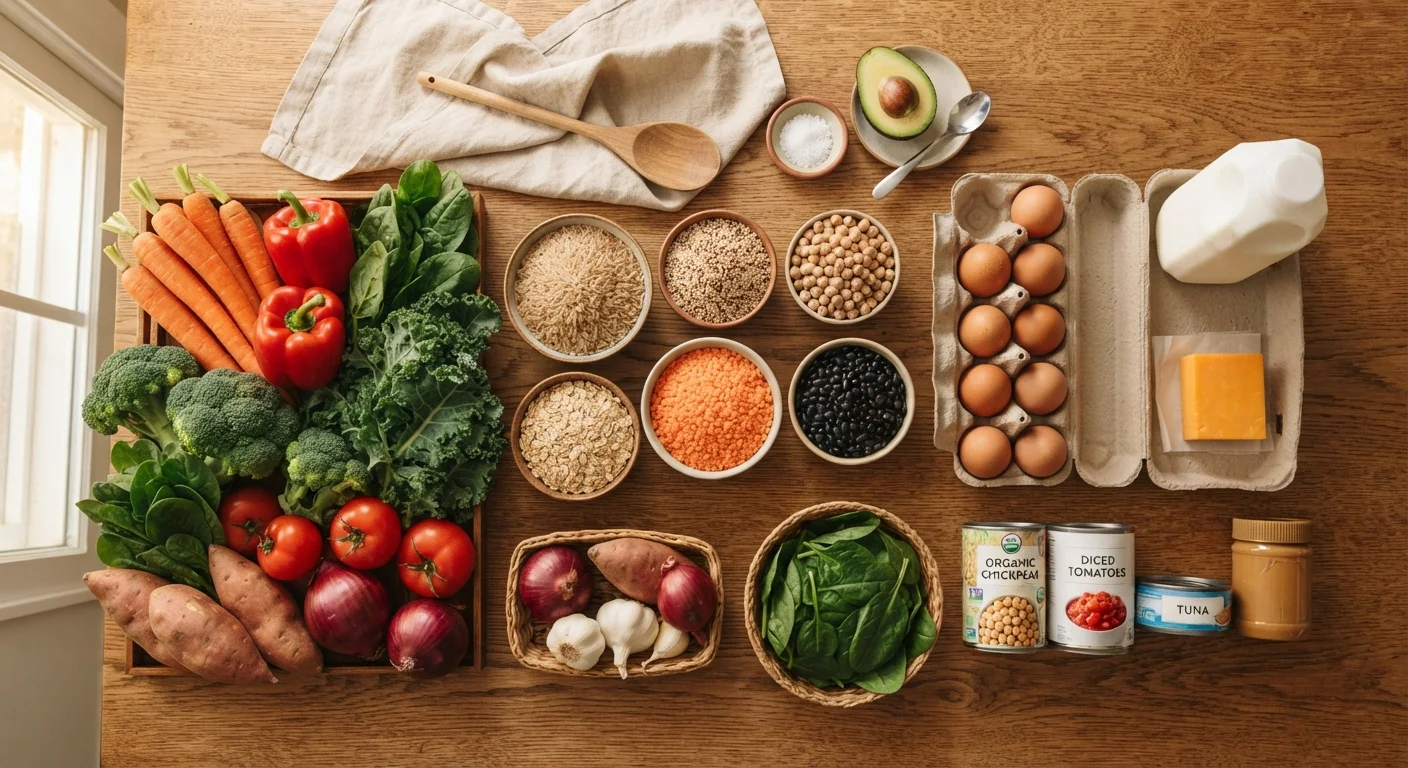
Photo: ReadersChronicle.com | Your Comprehensive Learning Destination editorial
—— In This Article
Key Takeaways
- Whole grains, legumes, eggs, and frozen vegetables are nutritionally dense and cost-effective staples.
- Planning meals before shopping is the single most effective way to stay within a $50 weekly food budget.
- Batch cooking and ingredient stretching dramatically reduce both waste and per-meal cost.
- A balanced plate can be built without complicated charts or expensive superfoods.
- Growing even a few herbs or vegetables at home can meaningfully offset grocery spending.
Why $50 a Week Is a Realistic Target
According to USDA food plan data, a single adult eating at the "thrifty" level can meet nutritional needs for roughly $50 per week - and in some regions, even less. This isn't about eating ramen noodles every day or cutting out entire food groups. It's about making deliberate choices that prioritize nutrient density per dollar spent.
Budget constraints are one of the most cited barriers to healthy eating, but research consistently shows the cost gap between healthy and less-healthy diets is smaller than most people assume. The challenge is largely strategic, not financial. This guide gives you a practical roadmap - grounded in sound nutrition principles - that works regardless of your cooking experience.
If you're also looking at the bigger picture of household finances, the budgeting basics hub offers straightforward strategies for tracking spending across all categories.
$50/week
USDA Thrifty Food Plan estimate for one adult
The USDA's Thrifty Food Plan sets a benchmark for a nutritionally adequate diet at minimum cost, updated periodically to reflect current food prices.
$1.50
Average cost per serving of dried legumes
Dried beans and lentils consistently rank among the lowest-cost protein sources available in US grocery stores, often under $2 per pound.
40%
Estimated share of US food that goes to waste
According to USDA estimates, approximately 30-40% of the US food supply is wasted - much of it at the consumer level, making meal planning a high-impact habit.
The Nutritional Foundation: What Your Body Actually Needs
Before building a budget meal plan, it helps to understand what a nutritionally adequate diet actually includes. The Dietary Guidelines for Americans recommend covering five broad food groups: vegetables, fruits, grains (at least half whole grains), protein foods, and dairy or fortified alternatives.
Rather than counting every micronutrient, a simpler mental model is the plate method: fill roughly half your plate with vegetables and fruit, one quarter with whole grains, and one quarter with lean protein. This approach, described in detail in our guide to building a balanced plate without a nutrition degree, requires no apps or calorie-counting charts.
Key nutrients to keep in mind on a tight budget include fiber (from beans, oats, and vegetables), protein (eggs, legumes, canned fish, tofu), iron, and B vitamins. Most of these are well-supplied by the affordable staples covered in the next section.
Shop the perimeter of the grocery store for fresh staples, but don't overlook the interior aisles - that's where the most cost-effective nutrition lives in the form of dried beans, canned fish, and whole grains.
Nutrition professionals frequently note that the most nutrient-dense, affordable foods are shelf-stable, not fresh - a counterintuitive fact that changes how budget shoppers should navigate a store.
When building a weekly menu, start with the protein source and work outward - choose your bean or egg dish first, then select vegetables and grains that complement it.
Protein is typically the most expensive macronutrient per calorie; anchoring meal planning around affordable protein sources structurally reduces overall food cost while maintaining nutritional completeness.
Building Your Budget Pantry
A well-stocked pantry is your single greatest defense against impulse spending and food waste. The following staples are affordable, shelf-stable, and nutritionally versatile:
- Dried or canned legumes - lentils, black beans, chickpeas, kidney beans
- Whole grains - rolled oats, brown rice, whole-wheat pasta, barley
- Eggs - one of the most nutrient-dense proteins per dollar available
- Frozen vegetables - broccoli, spinach, peas, mixed stir-fry blends; nutritionally equivalent to fresh
- Canned fish - sardines, tuna, and salmon deliver omega-3s at a low cost
- Canned tomatoes and broth - the backbone of soups, stews, and sauces
- Cooking oils, spices, and vinegar - transform identical ingredients into varied meals
For a complete checklist of pantry staples that support balanced eating, see our article on keeping your pantry stocked for balanced eating.
Once your pantry is set, weekly grocery shopping focuses only on fresh produce, dairy, and protein top-ups - the most perishable items - keeping spending predictable and controlled.
Planning and Shopping Smarter
Meal planning before you shop is the lever that makes a $50 budget work. Without a plan, it's easy to buy ingredients for meals you never make - leading to waste that eats into your budget before it feeds you.
A practical weekly routine looks like this: choose four or five base recipes, identify overlapping ingredients, write a specific list, and stick to it. Buying ingredients that appear in multiple meals - for example, a bag of onions or a can of coconut milk - lowers the effective cost per meal considerably.
Make a List and Price It Out
Before your shopping trip, estimate the cost of each item on your list based on typical store prices. This ten-minute habit surfaces surprises before you're standing in the aisle - and keeps you from drifting over budget. Many shoppers find the simple act of estimating costs ahead of time reduces impulse purchases significantly.
Batch cooking is a natural extension of good planning. Preparing a large pot of grains or a tray of roasted vegetables on one day creates ready-to-use components across the week. Our guide to the trade-offs of meal prepping walks through both the benefits and the real downsides so you can decide whether it fits your lifestyle.
Also worth considering: store brands typically offer equivalent nutrition to name brands at meaningfully lower prices. Produce that is slightly imperfect in appearance is nutritionally identical to cosmetically perfect items and is often discounted.
Putting It Together: A Sample Week
A practical $50 week might look like this - using the pantry staples above plus a modest fresh shopping trip:
- Breakfasts
- Oatmeal with frozen berries and a boiled egg; scrambled eggs with sautéed spinach and whole-wheat toast.
- Lunches
- Lentil soup made in a batch Sunday evening; bean and rice bowls with salsa and frozen corn.
- Dinners
- Pasta with canned tomatoes, garlic, and sardines; a large vegetable stir-fry with brown rice and tofu; chickpea and vegetable curry served over rice.
- Snacks
- Peanut butter on whole-wheat crackers; a banana or apple; plain yogurt with oats.
Notice that ingredients like rice, onions, canned tomatoes, and frozen vegetables appear across multiple meals - that's intentional. This kind of cross-meal ingredient use is explored in depth in our article on stretching nutritious ingredients across multiple meals.
If you want to reduce grocery costs further over time, starting a vegetable garden on a tight budget is a practical next step - even growing herbs in a windowsill pot can offset spending.
“The most powerful tool in nutrition isn't a superfood or a supplement - it's a consistent pattern of eating that you can actually sustain. Affordability and nutritional quality aren't opposites; they often align when you focus on whole, minimally processed foods.”
— Walter Willett, Professor of Epidemiology and Nutrition, Harvard T.H. Chan School of Public Health
Common Pitfalls and How to Avoid Them
Even well-intentioned budget eaters fall into patterns that quietly drain the food budget or compromise nutrition. The most common include:
- Overbuying perishables. Fresh produce spoils fast. Buy only what you'll use within a few days; rely on frozen for the rest.
- Ignoring unit prices. A larger package isn't always cheaper per serving. Check the price per ounce or pound on the shelf label.
- Skipping protein at meals. Protein supports satiety - meals without it lead to snacking that adds up. Eggs, beans, or canned fish at every meal solve this affordably.
- Drinking calories. Juice, sodas, and specialty drinks are expensive relative to their nutritional value. Water, black coffee, and plain tea are essentially free nutrition wins.
- Abandoning the plan mid-week. One unplanned takeout meal can equal a third of your weekly grocery budget. Keeping a few quick pantry fallback meals in mind - such as egg fried rice or pasta with canned tomatoes - prevents this.
Don't Cut Entire Food Groups to Save Money
It can be tempting to eliminate dairy, meat, or fruit entirely to reduce costs, but doing so risks nutritional gaps that can affect energy, immunity, and long-term health. Focus instead on choosing affordable sources within each food group - for example, eggs over steak, frozen blueberries over fresh, or powdered milk over refrigerated. If you have underlying health conditions, consult a registered dietitian before significantly restructuring your diet.
Good nutrition and physical health reinforce each other. If you're building healthier habits broadly, our guide to building a weekly movement plan is a practical companion to this nutrition roadmap.
This article provides general nutrition information for educational purposes only and is not a substitute for personalized advice from a registered dietitian or qualified healthcare professional. Nutritional needs vary by individual. Please consult a healthcare provider for guidance specific to your health circumstances.

Health Editorial Team
Health Editorial Team is the collective byline for our editorial team and contributor network. Articles published under this byline or an editorial pen name are researched, written, and reviewed according to our editorial standards for clarity, consistency, and independence before publication.
View author profile