
The Pros and Cons of Using Mental Health Apps for Everyday Emotional Support
Mental health apps are widely available and often free, but they're not a one-size-fits-all solution. Here's a balanced look at what they offer and where they fall short.
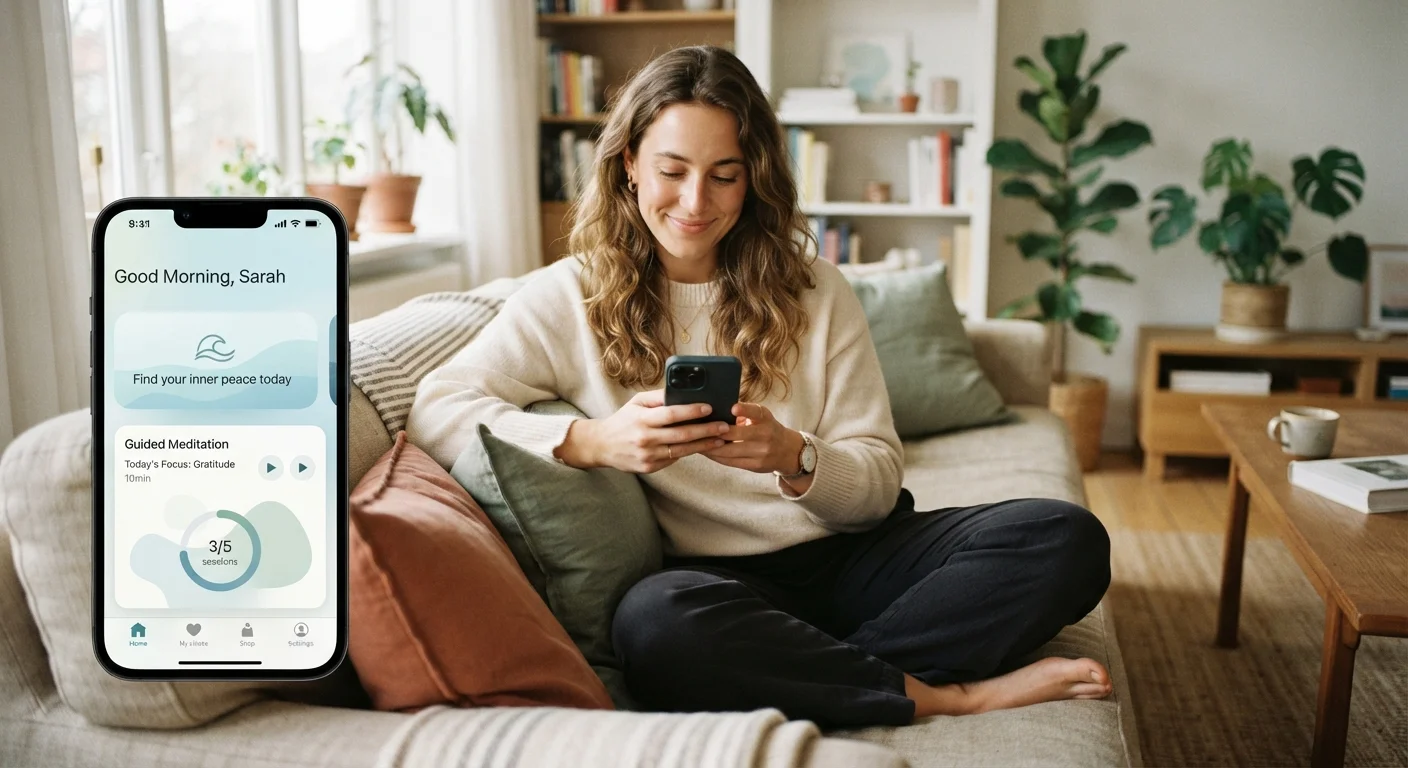
Photo: ReadersChronicle.com | Your Comprehensive Learning Destination editorial
—— In This Article
Key Takeaways
- Mental health apps can provide accessible, low-cost emotional support for everyday stress and mood tracking.
- They are not a substitute for professional mental health care, particularly for serious conditions.
- Privacy and data security vary widely between apps - reviewing policies before signing up is important.
- The quality of evidence behind different apps ranges considerably; some are backed by clinical research, many are not.
- Apps work best as a supplement to other support strategies, not as a standalone solution.
Available anytime, without an appointment
Apps provide round-the-clock access to coping tools and guided exercises, which can be valuable during late-night anxiety or moments when professional support is not immediately reachable.
Low or no cost for basic features
Many apps offer free core functionality, making them an accessible starting point for people who face financial barriers to traditional therapy or counseling.
Supports habit-building through structured prompts
Daily reminders, journaling templates, and progress tracking can help users build consistent mental wellness habits, which research suggests are beneficial for mood regulation over time.
Reduces barrier of stigma for first-time help-seekers
For people hesitant to seek in-person mental health care, apps offer a private, low-stakes entry point that can build comfort and familiarity with self-reflection practices.
Some apps are grounded in evidence-based methods
A subset of apps incorporate CBT, mindfulness-based stress reduction (MBSR), or other clinically recognized approaches, and a smaller number have been studied in peer-reviewed research.
Cannot replace professional clinical care
Apps are not equipped to diagnose, treat, or manage clinical mental health conditions. Relying on them as a substitute for therapy or psychiatric care can delay necessary treatment.
Evidence quality varies widely between apps
Many apps make wellness claims that outpace the research supporting them. Without consistent regulatory oversight, users may have difficulty distinguishing evidence-based tools from those with limited scientific backing.
Privacy and data security risks
Mental health information shared through apps may be stored, sold to third parties, or used for advertising purposes, depending on the platform's privacy policy. Users should read these policies carefully before engaging.
Risk of substituting engagement for real action
Spending time in a wellness app can create a false sense of progress while avoiding harder steps like seeking therapy, addressing lifestyle factors, or building genuine social support.
Low completion and engagement rates in practice
Studies on digital mental health tools have found that many users disengage quickly. Without professional accountability, motivation to continue using an app consistently tends to decline.
What Mental Health Apps Actually Offer
Mental health apps are smartphone-based tools designed to support emotional well-being through features like guided meditation, mood journaling, breathing exercises, cognitive behavioral therapy (CBT)-based modules, and crisis resources. As of recent years, hundreds of such apps are available on major platforms, ranging from completely free to subscription-based.
It helps to understand that these tools exist on a spectrum. Some are developed in partnership with clinical researchers and have peer-reviewed studies behind them. Others are created without meaningful clinical input and rely on general wellness content. Knowing which category an app falls into matters - especially if you're navigating more than everyday stress. For a broader picture of your options, see how apps compare to therapy and peer support.
Available anytime, without an appointment
Apps provide round-the-clock access to coping tools and guided exercises, which can be valuable during late-night anxiety or moments when professional support is not immediately reachable.
Low or no cost for basic features
Many apps offer free core functionality, making them an accessible starting point for people who face financial barriers to traditional therapy or counseling.
Supports habit-building through structured prompts
Daily reminders, journaling templates, and progress tracking can help users build consistent mental wellness habits, which research suggests are beneficial for mood regulation over time.
Reduces barrier of stigma for first-time help-seekers
For people hesitant to seek in-person mental health care, apps offer a private, low-stakes entry point that can build comfort and familiarity with self-reflection practices.
Some apps are grounded in evidence-based methods
A subset of apps incorporate CBT, mindfulness-based stress reduction (MBSR), or other clinically recognized approaches, and a smaller number have been studied in peer-reviewed research.
Where Mental Health Apps Fall Short
No technology replaces the nuanced, responsive relationship between a person and a trained mental health professional. Apps cannot diagnose conditions, adjust a treatment plan in real time, or provide the accountability and empathy of a licensed therapist. For anyone experiencing significant depression, anxiety disorders, trauma, or crisis situations, relying on an app alone carries real risk.
Data privacy is another area that deserves careful attention. Mental health data is among the most sensitive personal information a person can share. Policies around how apps store, share, or monetize that data vary considerably, and not all apps are transparent about their practices. Before using any app, reviewing its privacy policy and checking whether it complies with applicable regulations is a reasonable precaution.
Cannot replace professional clinical care
Apps are not equipped to diagnose, treat, or manage clinical mental health conditions. Relying on them as a substitute for therapy or psychiatric care can delay necessary treatment.
Evidence quality varies widely between apps
Many apps make wellness claims that outpace the research supporting them. Without consistent regulatory oversight, users may have difficulty distinguishing evidence-based tools from those with limited scientific backing.
Privacy and data security risks
Mental health information shared through apps may be stored, sold to third parties, or used for advertising purposes, depending on the platform's privacy policy. Users should read these policies carefully before engaging.
Risk of substituting engagement for real action
Spending time in a wellness app can create a false sense of progress while avoiding harder steps like seeking therapy, addressing lifestyle factors, or building genuine social support.
Low completion and engagement rates in practice
Studies on digital mental health tools have found that many users disengage quickly. Without professional accountability, motivation to continue using an app consistently tends to decline.
How to Use Apps Wisely Within a Larger Wellness Plan
The most effective use of mental health apps tends to be as a supplement - not a replacement - for other evidence-based strategies. For example, pairing an app's daily mood check-in with regular physical activity, quality sleep, and meaningful social connection creates a more complete foundation. Research consistently links social connection to better emotional outcomes, something no app can fully replicate.
If cost is a concern, it's worth knowing that free or low-cost professional mental health resources exist across the US - from community health centers to crisis lines and sliding-scale therapy. Exploring those options alongside any app use can make a meaningful difference. See our guide to free and low-cost mental health resources for practical starting points.
When to Seek Professional Support Instead
If you are experiencing persistent sadness, anxiety that interferes with daily life, thoughts of self-harm, or symptoms that significantly affect your functioning, please consult a licensed mental health professional rather than relying on an app. Apps are not designed to manage clinical-level conditions. The 988 Suicide and Crisis Lifeline (call or text 988 in the US) is available around the clock for anyone in crisis.
This article is for general informational and educational purposes only and is not a substitute for professional medical or mental health advice. If you are experiencing a mental health crisis or have concerns about your mental health, please consult a qualified healthcare professional or contact a crisis helpline.

Health Editorial Team
Health Editorial Team is the collective byline for our editorial team and contributor network. Articles published under this byline or an editorial pen name are researched, written, and reviewed according to our editorial standards for clarity, consistency, and independence before publication.
View author profile