
Low-Impact Movement Options for People With Joint Discomfort
Swimming, cycling, chair exercises, and more—an overview of gentler movement options and general considerations for exercising with joint sensitivity.
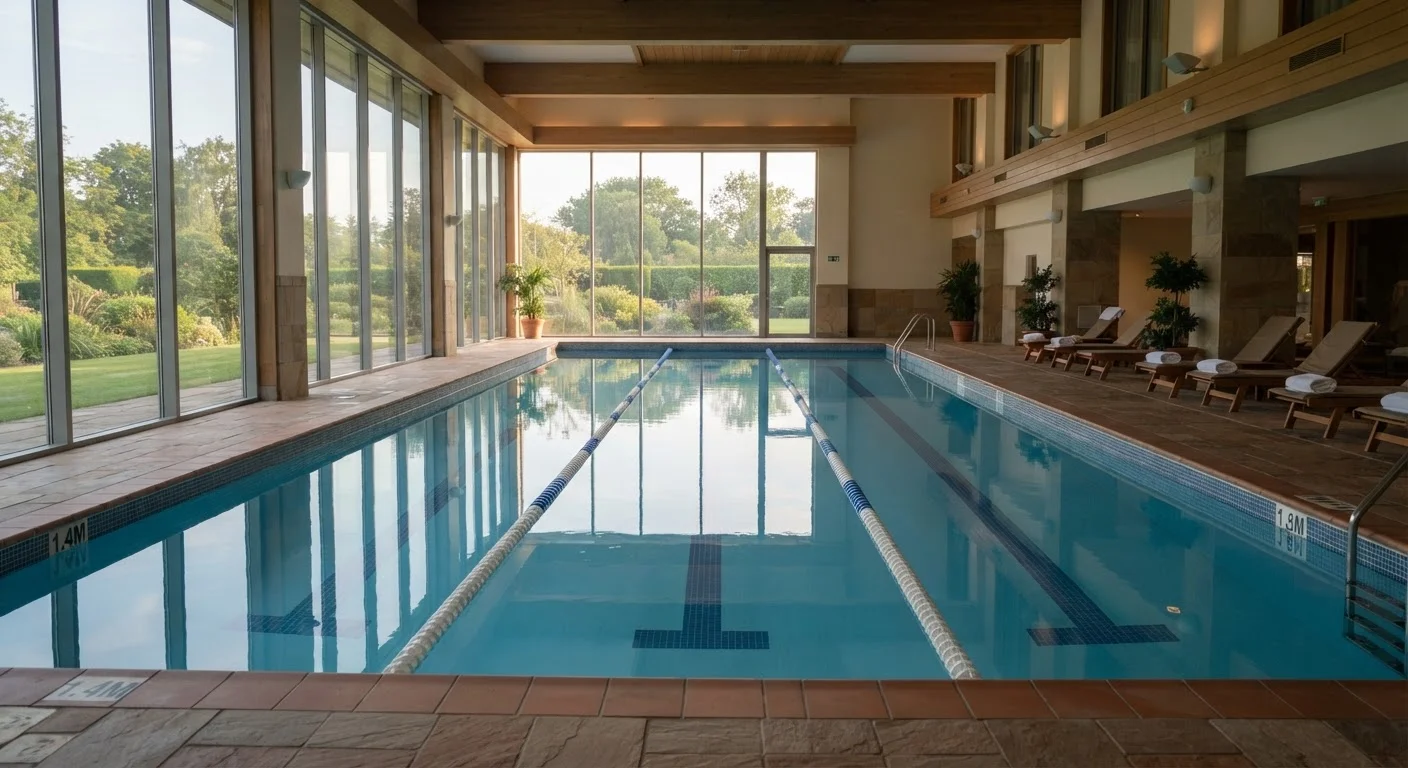
Photo: ReadersChronicle.com | Your Comprehensive Learning Destination editorial
—— In This Article
Key Takeaways
- Low-impact movement can meaningfully support joint health, mobility, and cardiovascular fitness without high injury risk.
- Many effective options - walking, chair exercises, stretching - require little or no equipment and cost nothing.
- People with chronic joint conditions should consult a healthcare provider before starting or changing an exercise routine.
- Consistency and gradual progression matter more than intensity for long-term movement habits.
- Joint discomfort during exercise is not the same as productive effort - pain is a signal worth heeding.
Why Low-Impact Movement Matters for Joint Health
Joint discomfort - whether from osteoarthritis, previous injuries, inflammation, or general wear - affects millions of Americans and is one of the most commonly cited reasons people reduce or avoid physical activity. But rest alone is rarely the answer. Research consistently suggests that appropriate, low-impact movement can help maintain joint function, reduce stiffness, and support the surrounding muscles that cushion and stabilize joints.
The key is choosing movement that minimizes high-force loading - the jarring impact that activities like running or jumping create - while still providing meaningful stimulus to muscles, the cardiovascular system, and connective tissue. The options below represent a range of approaches that many people with joint sensitivity find accessible. They vary in cost, equipment needs, and physical demand, so there's likely something here that fits your situation.
This article is for general informational purposes only and is not medical advice. If you have a diagnosed joint condition, chronic pain, or other health concerns, please consult a qualified healthcare provider before beginning or modifying an exercise routine.
Start Slow and Track How You Feel
When beginning any new movement routine with joint sensitivity, a useful general rule is to start at a lower intensity and duration than you think you need, then observe how your joints feel during the activity and in the 24 hours after. Some mild muscle soreness is normal; increased joint swelling or pain that persists beyond a day is a sign to scale back and consult a healthcare provider.
Low-Impact Movement Options to Consider
Swimming and Water Aerobics
Water-based exercise is widely regarded as one of the most joint-friendly forms of movement available. Buoyancy reduces the effective weight your joints bear - by as much as 90% when submerged to the neck - making movement possible even when walking on land is painful. Water also provides gentle resistance that helps build muscle without the abruptness of weights or machines.
Community pools, YMCAs, and recreation centers often offer lap swim or structured water aerobics classes at low cost, and many provide sliding-scale membership fees. Even gentle water walking in a shallow pool can be beneficial.
Water buoyancy can dramatically reduce joint load while still building meaningful strength and cardiovascular fitness.
Cycling (Stationary or Outdoor)
Cycling keeps your body weight supported on a seat, removing much of the ground-impact that stresses knees and hips. Stationary bikes in particular allow you to control resistance and pace precisely, making them useful during flare-ups when outdoor terrain feels unpredictable. Many public libraries and community centers offer free or low-cost access to stationary bikes.
Proper bike fit matters - a seat that's too low can increase knee strain. If you're new to cycling with joint concerns, starting with short, flat sessions and gradually increasing duration is advisable.
Cycling supports body weight on a seat, significantly reducing knee and hip impact compared to walking or running.
Walking on Soft Surfaces
Walking is the most accessible and cost-free movement option available, and for many people with mild-to-moderate joint discomfort, it remains highly effective. The key for joint sensitivity is surface choice: grass, packed dirt trails, and rubberized tracks absorb impact better than concrete or asphalt.
Supportive footwear also makes a measurable difference. Walking at a comfortable, conversational pace - rather than pushing for speed - reduces loading on joints and is sufficient to support cardiovascular health when done consistently. Check indoor vs. outdoor trade-offs if weather or terrain is a limiting factor.
Choosing soft surfaces like grass or packed trails can meaningfully reduce the joint impact of everyday walking.
Chair-Based and Seated Exercises
Chair exercises are often underestimated but can provide real benefits for people whose joint discomfort makes standing movement difficult or risky. Seated leg lifts, ankle circles, seated marching, and upper-body resistance movements can be done with a standard household chair and no equipment at all.
These exercises are particularly valuable for older adults, those recovering from injury, or anyone managing balance concerns alongside joint issues. Many free routines are available through public health organizations and community senior centers.
Chair-based exercises offer a genuine strength and mobility workout with zero equipment and minimal joint loading.
Tai Chi and Gentle Yoga
Both tai chi and gentle yoga emphasize slow, controlled movement, balance, and flexibility - qualities that directly support joint stability and reduce fall risk. Several randomized controlled studies have found that tai chi in particular may help reduce pain and improve function in people with osteoarthritis, though results vary and are not guaranteed for all individuals.
Gentle yoga classes - as opposed to vigorous forms like hot yoga or power yoga - can be adapted to almost any mobility level. Many community centers, libraries, and nonprofit organizations offer free or donation-based classes, and numerous publicly available instructional videos are produced by hospital and university wellness programs.
Research suggests tai chi may help reduce pain and improve function in people with osteoarthritis, though individual results vary.
Resistance Band Exercises
Strengthening the muscles around affected joints - particularly the quadriceps around the knee and the rotator cuff around the shoulder - is a well-supported strategy for reducing joint pain over time. Resistance bands provide a controlled, low-impact way to build this strength without the heavy loading of free weights or machines.
Bands are inexpensive, portable, and available in a range of resistance levels. Many physical therapists use them as a core component of joint rehabilitation programs. If you have a specific injury history, asking a physical therapist or certified exercise professional to demonstrate proper form is worthwhile before beginning.
Strengthening muscles around a joint with resistance bands is a well-supported strategy for reducing long-term joint discomfort.
A Note on Inflammation and Flare-Ups
During active joint flare-ups - periods of acute swelling, warmth, or significantly elevated pain - it is generally advisable to reduce exercise intensity or rest until the flare subsides. The guidance here applies to day-to-day joint sensitivity, not acute inflammatory episodes. Always follow the advice of your rheumatologist, orthopedist, or primary care provider regarding exercise during flares.
As you explore these options, keep in mind that common fitness myths - like "no pain, no gain" - can discourage people from choosing gentler movement. Discomfort during exercise is worth distinguishing from pain: mild muscle fatigue is normal, but sharp or worsening joint pain is a signal to stop and seek guidance.
Building a Sustainable Routine Around What You Can Do
Starting with even one of these activities a few times a week and gradually increasing duration is a reasonable, evidence-informed approach. Rest and recovery are equally important - overloading inflamed or sensitive joints can set progress back. Alternating activity types (for example, swimming one day, chair yoga the next) can also help distribute effort across different muscle groups.
It's also worth remembering that formal exercise sessions aren't the only way to accumulate beneficial movement. Movement throughout the day - short walks, gentle stretching between tasks, or simply standing more - adds up. For those with very limited time, brief, frequent sessions can still be effective.
The goal isn't athletic performance - it's building a sustainable habit that keeps you moving comfortably over the long term.

Health Editorial Team
Health Editorial Team is the collective byline for our editorial team and contributor network. Articles published under this byline or an editorial pen name are researched, written, and reviewed according to our editorial standards for clarity, consistency, and independence before publication.
View author profile