
Fitness on a Tight Schedule: Movement Options Under 20 Minutes
Short on time doesn't mean short on options. Explore the general evidence around brief, frequent movement sessions and what formats tend to work well.
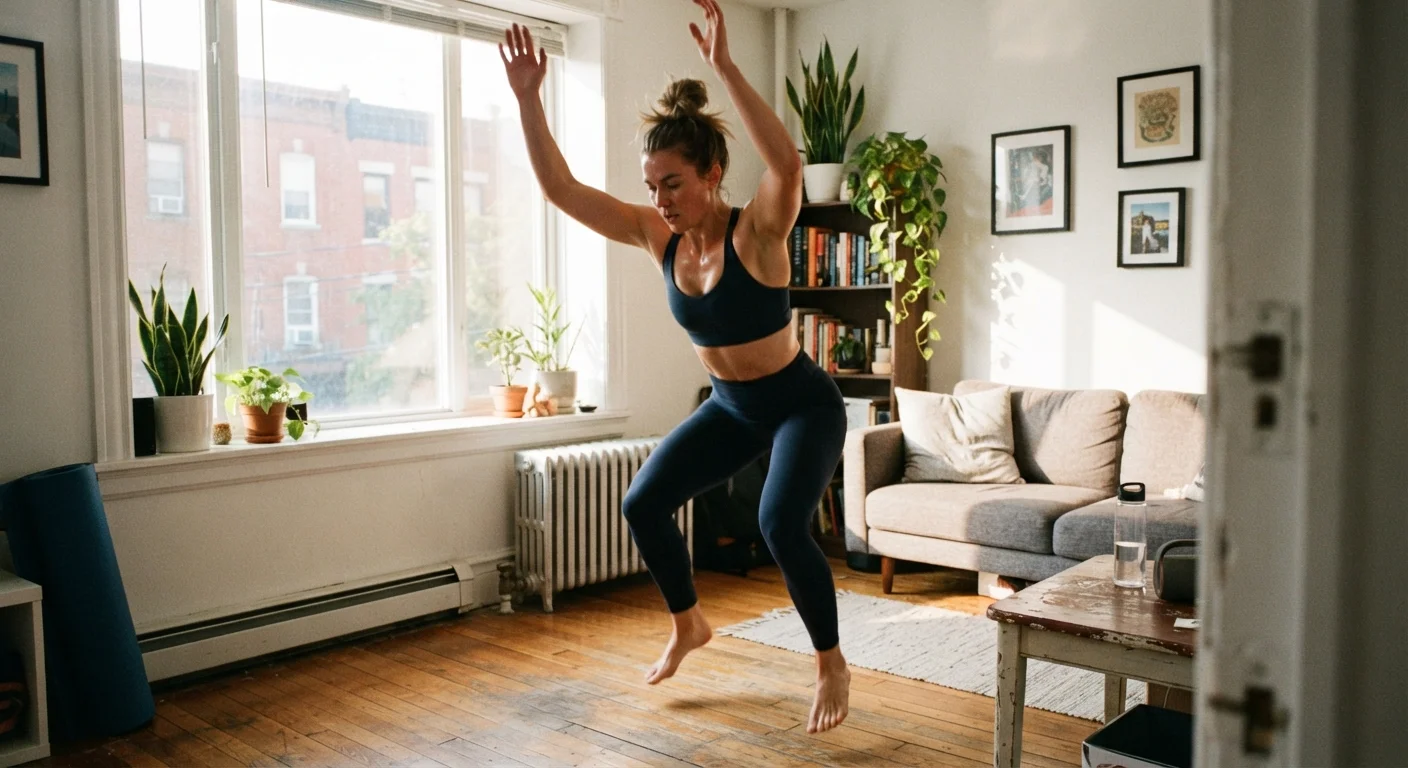
Photo: ReadersChronicle.com | Your Comprehensive Learning Destination editorial
—— In This Article
Key Takeaways
- Exercise sessions under 20 minutes can meaningfully support cardiovascular health and overall fitness.
- High-intensity interval training, bodyweight circuits, and brisk walking are all research-supported short-session formats.
- Consistency across multiple short sessions per week matters more than any single long workout.
- Most effective short-format workouts require little to no equipment and no gym membership.
- People with chronic conditions or injuries should consult a healthcare provider before starting a new routine.
Why Short Workouts Are Worth Taking Seriously
One of the most persistent fitness myths is that a workout only counts if it lasts at least an hour. In reality, a growing body of research suggests that shorter, more frequent bouts of physical activity can produce meaningful health benefits - particularly for cardiovascular fitness, mood, and metabolic health. The U.S. Department of Health and Human Services notes in its Physical Activity Guidelines for Americans that even short episodes of moderate-to-vigorous activity contribute to weekly totals that support long-term health.
For budget-conscious Americans juggling work, family, and financial stress, the 20-minute workout isn't a compromise - it can be a genuinely effective strategy. The key is understanding which formats tend to work best in limited time, and why. Common fitness myths often discourage people from starting at all; recognizing that brief movement is legitimate removes one of the biggest barriers.
Stack Short Sessions Throughout the Day
You don't have to find one continuous 20-minute block. Three separate 7-minute movement breaks - morning, midday, and evening - can accumulate toward the same health benefit. Research increasingly supports the idea that total daily movement volume matters, not just the duration of any single session.
Movement Formats That Work in Under 20 Minutes
The following options are grounded in general exercise science principles. They require minimal or no equipment, can be done at home or outside, and fit within a tight schedule. As always, consult a qualified healthcare provider before beginning any new exercise routine, especially if you have an existing health condition.
High-Intensity Interval Training (HIIT)
High-Intensity Interval Training alternates short bursts of vigorous effort with brief recovery periods. A typical structure might involve 20-40 seconds of work followed by 10-20 seconds of rest, repeated across several rounds. Research published in journals such as the British Journal of Sports Medicine has found that HIIT can improve cardiorespiratory fitness in shorter durations than traditional steady-state cardio.
Common HIIT exercises that require no equipment include jumping jacks, mountain climbers, squat jumps, and burpees. Because intensity is high, this format isn't suitable for everyone - those new to exercise or with joint concerns should start gradually or explore lower-impact alternatives.
HIIT can improve cardiorespiratory fitness in significantly less time than traditional steady-state cardio.
Bodyweight Circuit Training
A bodyweight circuit moves through a sequence of exercises targeting different muscle groups with minimal rest between movements. This keeps the heart rate elevated while also building muscular endurance. A basic circuit might include push-ups, bodyweight squats, lunges, planks, and glute bridges - each performed for a set time or number of repetitions before moving to the next.
Circuits are highly adaptable. Beginners can slow the pace or reduce range of motion; more experienced exercisers can add explosive variations. A well-designed 15-minute circuit can work the full body without any equipment, making it accessible and cost-free.
A 15-minute bodyweight circuit can train the full body without a single piece of equipment.
Brisk Walking
Brisk walking - defined generally as a pace that noticeably elevates your heart rate and breathing - remains one of the most evidence-supported forms of physical activity for general health. A 15-20 minute brisk walk contributes to the aerobic activity totals recommended by the Physical Activity Guidelines for Americans and has been associated with benefits for heart health, blood sugar regulation, and mental well-being.
Walking requires no equipment beyond supportive footwear, costs nothing, and can be done almost anywhere. For those with joint sensitivities, it's also gentler than high-impact alternatives. See also: low-impact movement options for additional formats suited to people with joint discomfort.
Brisk walking remains one of the most broadly evidence-supported physical activities for general health.
Yoga and Mobility Flows
Short yoga or mobility-focused sessions prioritize flexibility, breath awareness, and joint range of motion rather than cardiovascular intensity. Even a 10-15 minute flow can reduce perceived stress, ease muscular tension, and support recovery between more intense sessions. Many free, beginner-friendly yoga routines are available through government health portals and public library digital platforms.
Mobility work is particularly valuable for people who spend long hours seated. Targeting the hips, thoracic spine, and shoulders with structured movement helps counteract the postural effects of sedentary work - something that purely cardio-focused routines often neglect.
Even a 10-minute mobility flow can reduce tension and support recovery between more intense sessions.
Stair Climbing and Incline Walking
Stair climbing is a surprisingly effective cardiovascular and lower-body strengthening activity. Research has shown it can elevate heart rate comparably to moderate-intensity aerobic exercise while also engaging glutes, hamstrings, and calves. For people in apartments, office buildings, or homes with a staircase, it requires no additional space or equipment.
Adding brief stair intervals - walking or climbing stairs for 10-15 minutes - is one concrete way to accumulate meaningful movement within a short window. This connects naturally to the broader principle of building activity into existing environments rather than waiting for ideal gym conditions.
Stair climbing elevates heart rate comparably to moderate aerobic exercise and strengthens the lower body.
Jump Rope
Jump rope is a high-efficiency cardiovascular activity that can be performed almost anywhere with a single low-cost piece of equipment. Even moderate-paced jumping engages the cardiovascular system rapidly and works the calves, shoulders, and core. Fifteen minutes of jump rope can approximate the caloric expenditure of a longer moderate-intensity session.
It's worth noting that jump rope is high-impact and not appropriate for everyone - particularly those with lower-limb joint issues or balance concerns. Beginners should start with short intervals and rest as needed, gradually building duration over time.
Jump rope is among the most time-efficient cardiovascular activities available, requiring minimal space or cost.
A Note on Special Populations
General exercise guidance is not appropriate for everyone without modification. Older adults, people managing chronic conditions such as heart disease or diabetes, those who are pregnant, and individuals returning from injury should consult a qualified healthcare provider before beginning or significantly changing an exercise routine. A licensed physical therapist or physician can help tailor movement to your specific situation.
Making Short Sessions a Sustainable Habit
The most effective workout format is ultimately the one you'll actually do repeatedly. Short sessions lower the activation energy required to start - there's less mental negotiation when the commitment is 15 minutes rather than an hour. Pairing a brief session with an existing habit (morning coffee, a lunch break, or after school pickup) can help anchor it into your routine.
It's also worth remembering that structured exercise is only part of the picture. Everyday movement throughout the day - walking to errands, taking stairs, standing while on calls - adds up significantly over time. If you're looking for free guidance on structured routines, free fitness resources available online include government health portals and public library digital collections with vetted exercise content.
This article is for general informational purposes only and does not constitute medical advice. Consult a qualified healthcare professional before beginning any new exercise program, particularly if you have a chronic health condition, injury, or other medical concern.

Health Editorial Team
Health Editorial Team is the collective byline for our editorial team and contributor network. Articles published under this byline or an editorial pen name are researched, written, and reviewed according to our editorial standards for clarity, consistency, and independence before publication.
View author profile