
Frozen vs. Fresh Vegetables: What Nutrition Research Actually Shows
Is fresh produce always healthier than frozen? Explore what the science says about nutrient retention, cost, and when each option makes sense.
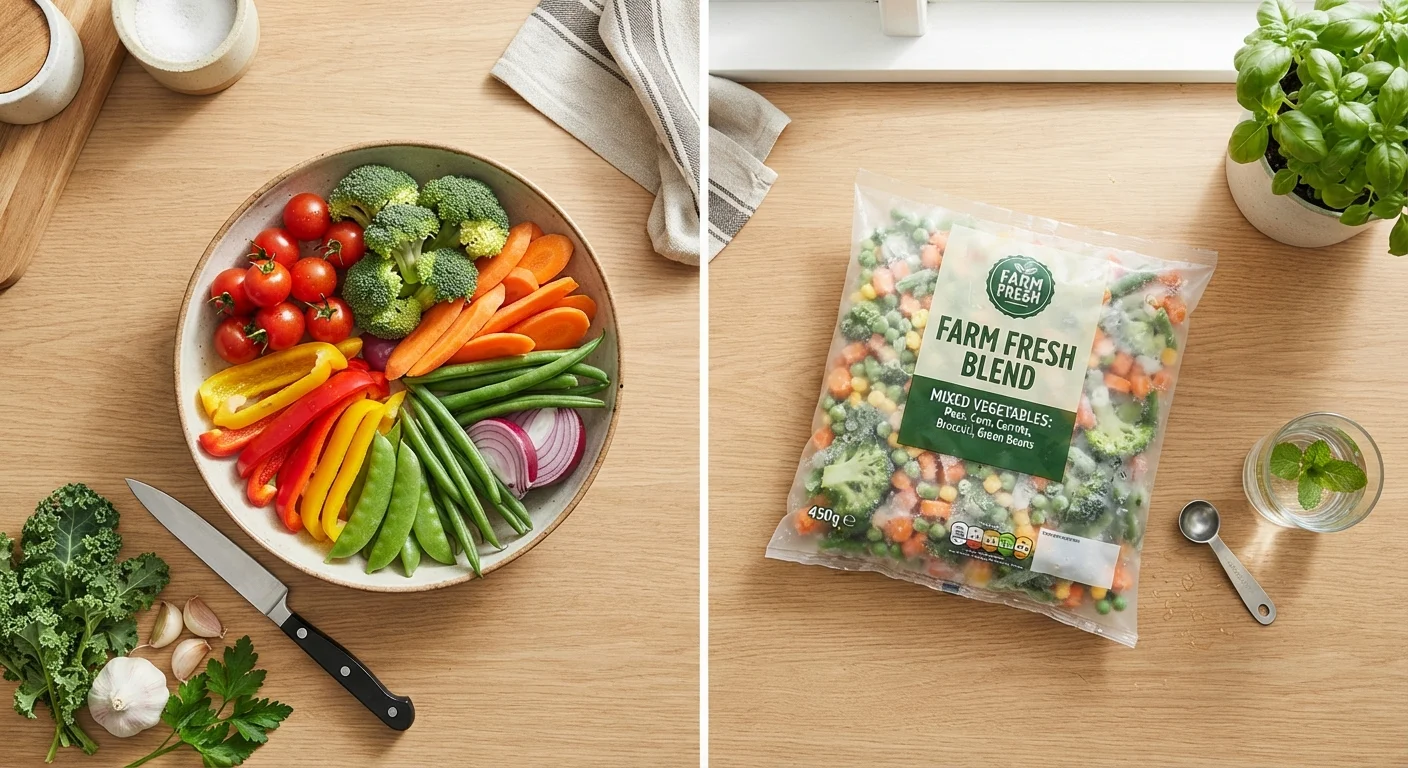
Photo: ReadersChronicle.com | Your Comprehensive Learning Destination editorial
—— In This Article
Key Takeaways
- Frozen vegetables are often nutritionally comparable to fresh, and sometimes superior, due to quick post-harvest freezing.
- Fresh vegetables can lose significant nutrients during transport, storage, and time on store shelves.
- Frozen produce tends to cost less per serving and generates less food waste than fresh.
- Cooking method affects nutrient retention far more than whether the vegetable was fresh or frozen.
- Both options can form part of a healthy, affordable diet - the best choice depends on your habits and access.
The Freshness Myth: What Happens Between Farm and Fork
Most consumers assume that fresh vegetables are always the gold standard. But "fresh" is a relative term. By the time produce is harvested, transported across hundreds of miles, warehoused, and placed on a supermarket shelf, several days - sometimes over a week - may have passed. During this time, exposure to heat, light, and oxygen causes measurable nutrient degradation.
Research published in peer-reviewed nutrition journals has shown that certain water-soluble vitamins, particularly vitamin C and some B vitamins, can decline substantially in fresh produce during storage. One frequently cited study found that fresh spinach lost the majority of its folate content after just a few days of refrigeration. This doesn't make fresh vegetables unhealthy - it simply means that "fresh" at the grocery store is not the same as freshly picked.
The exception is produce purchased directly from local farms or farmers markets and consumed quickly. In those cases, fresh genuinely is fresher, and nutrient levels can be at their peak. For most Americans shopping at conventional supermarkets, however, that scenario is the exception rather than the rule. As noted in our companion piece, budget-friendly foods often carry stronger nutrition than assumed.
How Freezing Preserves - and Sometimes Protects - Nutrients
Commercial frozen vegetables follow a specific process: they are harvested at or near peak ripeness, briefly blanched in hot water or steam to deactivate enzymes that cause degradation, and then rapidly frozen. This chain happens within hours of harvest, locking nutrient content in place at close to its peak.
| Criterion | Fresh Vegetables | Frozen Vegetables |
|---|---|---|
| Nutrient retention (store-bought) | Can decline over days of transport and storage | Locked in shortly after harvest via flash-freezing |
| Cost per serving | Generally higher, especially out of season | Typically lower, consistent year-round |
| Shelf life | Days to one week refrigerated | Months in the freezer |
| Food waste risk | Higher - spoils quickly if unused | Lower - portion and refreeze as needed |
| Texture for raw use | Ideal - crisp and firm | Not suitable - freezing softens cell structure |
| Seasonal availability | Varies; quality drops out of season | Consistent quality year-round |
| Additives | None in whole produce | None in plain frozen; check seasoned varieties |
Blanching does cause some loss of water-soluble vitamins - primarily vitamin C and certain B vitamins - but the key point is that this loss is often smaller than the gradual degradation fresh produce experiences over days of storage. Multiple studies, including research reviewed by the USDA, have found that frozen and fresh vegetables are broadly comparable in nutritional value, with frozen sometimes coming out ahead for specific nutrients depending on the vegetable and storage duration.
It's also worth noting that frozen vegetables contain no added preservatives in most cases - freezing itself is the preservation method. Always check labels for added sodium, especially in seasoned or sauced varieties.
≤15%
Typical vitamin C loss from blanching before freezing
Research comparing processing methods suggests blanching-related losses are often smaller than nutrient declines in fresh produce stored for several days.
30-40%
Estimated share of fresh produce wasted by US households
USDA food loss estimates indicate that a large portion of fresh vegetables purchased never gets consumed, making frozen a more efficient choice for many families.
Cost, Waste, and Practical Considerations
For budget-conscious households, frozen vegetables offer a clear financial advantage. They typically cost less per serving than fresh equivalents, particularly for out-of-season produce. A bag of frozen broccoli, for example, often costs significantly less than a fresh head that may wilt before the week is out.
Food waste is an equally important factor. The USDA estimates that a substantial share of fresh produce purchased by American households is discarded uneaten. Frozen vegetables, by contrast, can be portioned and returned to the freezer, dramatically reducing waste and stretching grocery budgets further.
If growing your own vegetables appeals to you as a way to access truly fresh produce affordably, our guide on starting a vegetable garden on a tight budget offers practical strategies for doing so without a large upfront investment.
Cooking method ultimately matters more than the fresh-versus-frozen distinction. Boiling vegetables in large amounts of water and discarding it drains water-soluble vitamins regardless of whether the vegetable started fresh or frozen. Steaming, microwaving, roasting, or stir-frying with minimal water preserves more nutrients across both categories.
A Note on Special Dietary Needs
If you are managing a specific health condition, are pregnant, or are preparing meals for young children or older adults, individual nutrient needs can vary meaningfully. This article provides general educational information and is not a substitute for personalised guidance. Speak with a registered dietitian or qualified healthcare professional for advice tailored to your situation.

Health Editorial Team
Health Editorial Team is the collective byline for our editorial team and contributor network. Articles published under this byline or an editorial pen name are researched, written, and reviewed according to our editorial standards for clarity, consistency, and independence before publication.
View author profile