
Why Stretching Every Day Is More Complicated Than It Sounds
Static, dynamic, active—stretching types vary widely in purpose and timing. Learn what the evidence actually says about daily flexibility work.
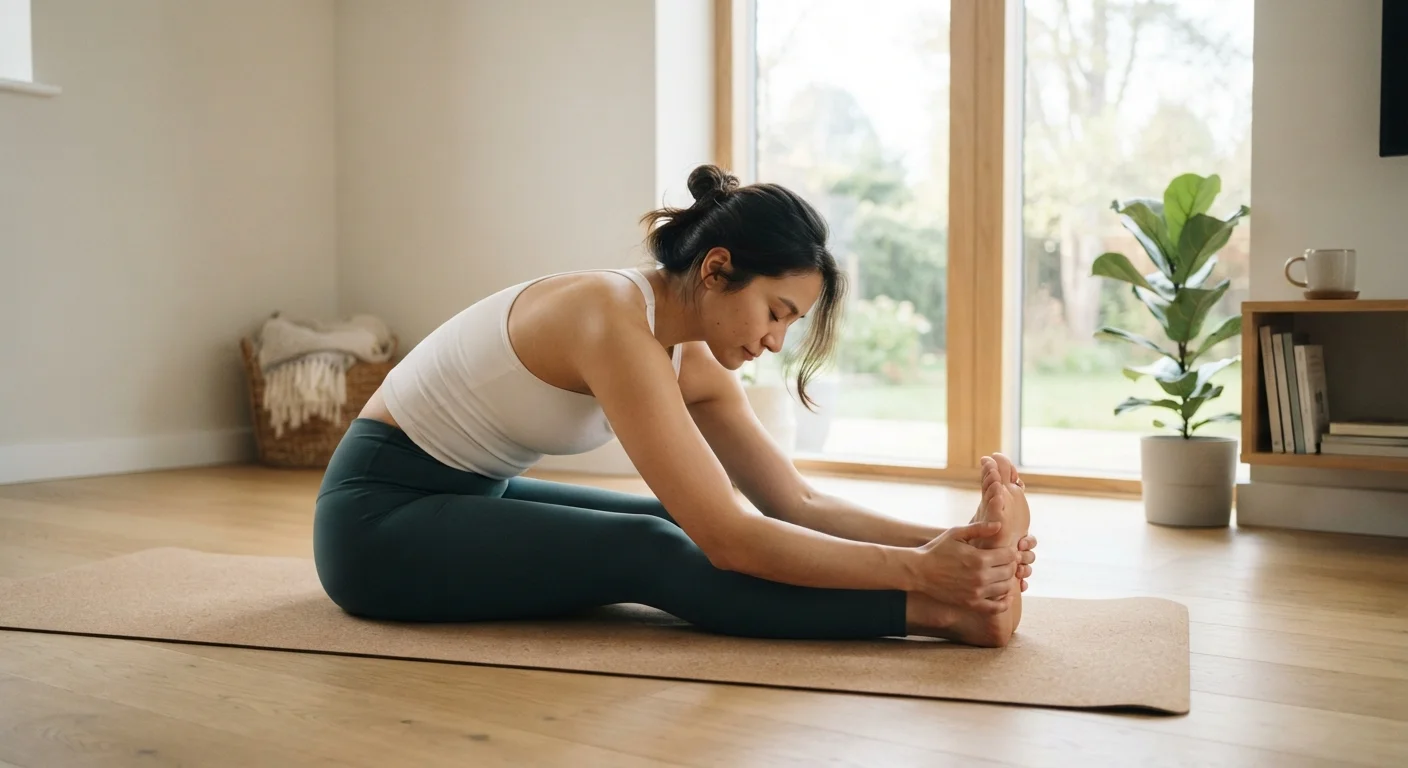
Photo: ReadersChronicle.com | Your Comprehensive Learning Destination editorial
—— In This Article
Key Takeaways
- There are multiple types of stretching, and each serves a different purpose in a movement routine.
- Static stretching before intense exercise may temporarily reduce power output, according to some research.
- Dynamic stretching is generally better suited to warming up before physical activity.
- Consistency matters more than duration - short daily sessions may be more effective than occasional long ones.
- Flexibility gains require weeks of regular practice and are not permanent without ongoing maintenance.
- Stretching is not a substitute for professional treatment of pain, injury, or limited mobility.
Not All Stretches Work the Same Way
When most people think of stretching, they picture holding a hamstring stretch on the floor for 30 seconds. That's one valid approach - but it's far from the whole picture. Flexibility training breaks down into several distinct categories, each with its own mechanics and appropriate use cases.
Static stretching involves holding a muscle in a lengthened position for a sustained period. It's what most Americans learned in gym class. Dynamic stretching moves joints and muscles through a controlled range repeatedly, building warmth and coordination. Proprioceptive Neuromuscular Facilitation (PNF) combines contraction and relaxation cycles and is often used in clinical or rehabilitation settings.
Understanding these distinctions matters because using the wrong type at the wrong moment can be counterproductive. Research has indicated that prolonged static stretching immediately before explosive activities - sprinting, jumping, or heavy lifting - may temporarily reduce muscle force production. This doesn't mean static stretching is harmful; it means timing is everything.
Match Your Stretch to Your Timing
Before a workout or physical activity, focus on dynamic movements that mimic what you're about to do - walking lunges before a run, arm swings before swimming. Save held, static stretches for after exercise or in the evening when your muscles are warm and your nervous system is less primed for power output. This simple swap can meaningfully improve both your performance and your flexibility gains over time.
The Evidence on Daily Stretching
The idea that "more flexibility is always better" doesn't fully hold up under scrutiny. Hypermobility - excessive joint range of motion - is associated with its own set of discomforts and instability in some individuals. The goal of a daily flexibility practice for most people is functional range of motion: enough mobility to move through daily life comfortably and safely.
What the evidence does support consistently is this: frequency and consistency outperform occasional intensity. A 2019 review published in the Journal of Human Kinetics found that frequent, shorter stretching sessions produced similar or superior flexibility gains compared to less frequent, longer sessions. For budget-conscious adults without gym access, this is genuinely good news - a 10-minute home routine repeated daily requires no equipment and no membership.
4-8 weeks
Time to measurable flexibility improvement
Research consistently shows flexibility gains emerge within this window when stretching is practiced consistently several times per week.
~10 min/day
Effective daily stretching session length
Evidence suggests shorter, frequent sessions can produce comparable flexibility results to longer, infrequent ones, making daily practice accessible for busy schedules.
30-60 sec
Recommended static hold duration per muscle
Guidelines from the American College of Sports Medicine suggest this range for static stretches in healthy adults seeking flexibility improvements.
Combining flexibility work with broader movement habits compounds the benefit. See how everyday movement fits into your overall health for a fuller picture.
Building a Practical Daily Routine
A sensible daily stretching structure for most healthy adults includes two phases: a dynamic warm-up before activity, and static or longer-hold stretching afterward.
- Morning or pre-activity: 5-10 minutes of dynamic movements - hip circles, gentle torso rotations, walking lunges - to increase blood flow and prepare joints.
- Post-activity or evening: Hold major muscle groups (hamstrings, hip flexors, chest, shoulders) for 20-40 seconds each. Breathe steadily and avoid forcing range of motion.
Prioritizing areas that feel persistently tight - often the hips and thoracic spine for desk workers - tends to yield the most noticeable day-to-day quality-of-life benefit. If you're structuring a full weekly activity plan, building a realistic weekly movement plan can help you integrate stretching alongside cardio and strength work.
Stretching Is Not the Same as Warming Up
A common misconception is that stretching constitutes a full warm-up. An effective warm-up raises core temperature and increases heart rate - activities like a brisk five-minute walk or light jogging accomplish this. Dynamic stretching can be part of a warm-up, but static stretching alone does not adequately prepare the body for vigorous exercise. Think of them as complementary, not interchangeable.
This article is for general informational purposes only and does not constitute medical advice. Consult a qualified healthcare professional before beginning any new exercise program, particularly if you have an existing injury, chronic condition, or pain.
Frequently Asked Questions

Health Editorial Team
Health Editorial Team is the collective byline for our editorial team and contributor network. Articles published under this byline or an editorial pen name are researched, written, and reviewed according to our editorial standards for clarity, consistency, and independence before publication.
View author profile