
Why Cheap Food Isn't Always the Least Nutritious
Common assumptions link low cost with poor nutrition, but the evidence is more nuanced. Separate the myths from the facts about budget eating.
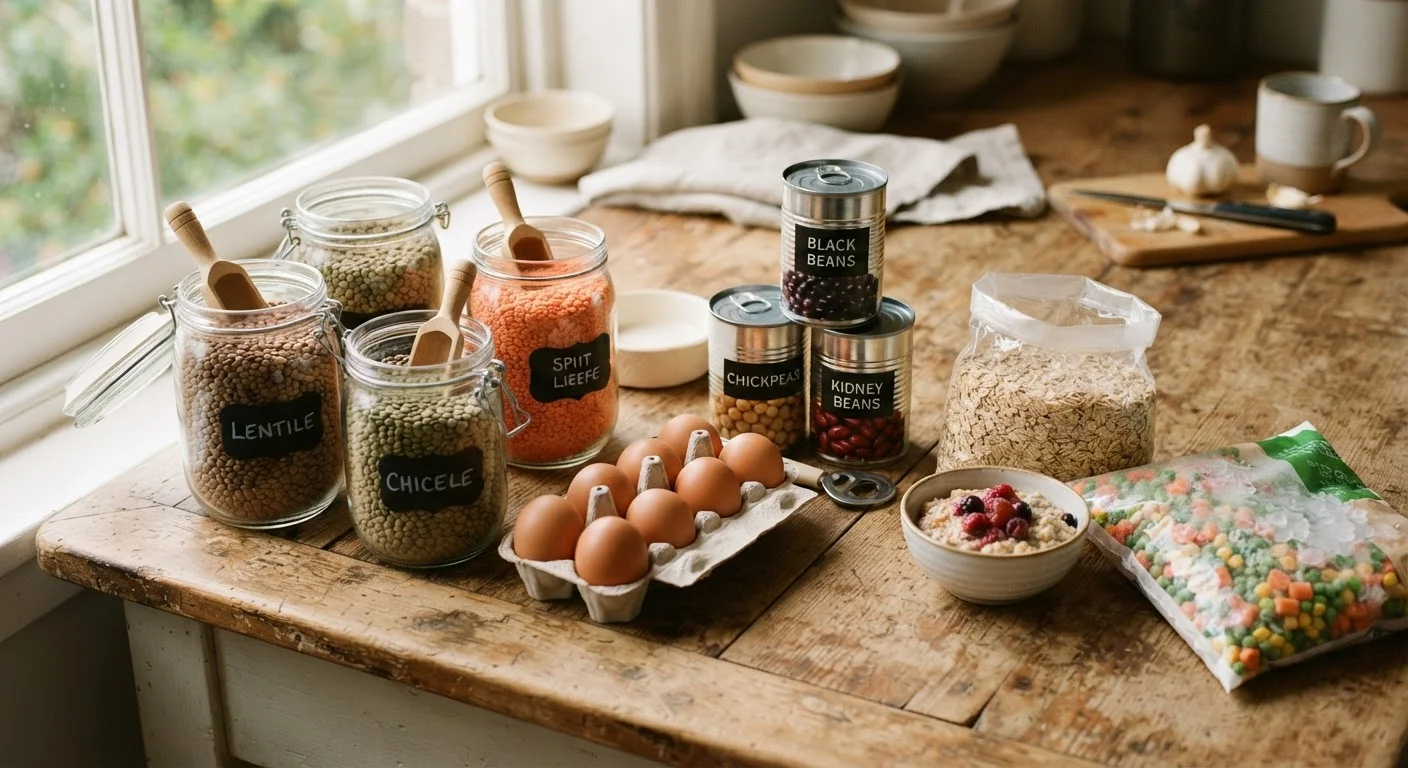
Photo: ReadersChronicle.com | Your Comprehensive Learning Destination editorial
—— In This Article
Key Takeaways
- Many of the most nutrient-dense foods - lentils, oats, eggs, frozen vegetables - are also among the least expensive.
- Frozen produce often retains as many nutrients as fresh, making it a smart budget option.
- Cost per calorie is a misleading metric; cost per nutrient is a far more useful way to evaluate food value.
- Generic and store-brand foods meet the same regulatory standards as national brands.
- Eating healthfully on a budget is achievable with informed choices, not higher spending.
The Price-Nutrition Assumption - And Why It Falls Short
Many Americans operate under a deeply ingrained belief: the cheaper the food, the worse it is for your health. This assumption shapes grocery decisions every day, steering shoppers away from affordable staples and toward pricier items marketed with health-forward language. But nutrition research tells a more complicated story.
Price is driven by factors that have little to do with nutritional value - branding, packaging, marketing budgets, supply chains, and shelf placement all influence what you pay at the register. A product with an elegant label and a premium price tag is not automatically more nutritious than the generic alternative sitting next to it on the shelf. Understanding where this myth comes from - and what the evidence actually shows - can save you money without compromising your health.
For a closer look at how food labeling can mislead even well-intentioned shoppers, see our article on interpreting health claims on packaged food.
Myth
Healthy eating inevitably costs more than eating poorly.
Fact
Many highly nutritious foods - dried beans, lentils, oats, frozen vegetables, eggs - cost less per serving than heavily processed convenience foods.
When researchers at the Harvard T.H. Chan School of Public Health examined the price difference between healthy and unhealthy diets, the gap was smaller than commonly assumed - roughly $1.50 per day per person. More importantly, cost per calorie is a flawed metric. Nutrient density per dollar, which accounts for vitamins, minerals, fiber, and protein relative to price, often favors whole-food staples over processed alternatives.
Myth
Frozen vegetables are nutritionally inferior to fresh produce.
Fact
Frozen vegetables are typically flash-frozen within hours of harvest, preserving most nutrients - and sometimes more than fresh produce stored for several days.
Nutrient loss in vegetables accelerates after harvest. Fresh produce can spend days or weeks in transit and storage before reaching a consumer's plate, during which heat-sensitive vitamins like vitamin C and folate degrade. Freezing essentially pauses that process. Multiple studies, including research published in peer-reviewed food science journals, have found negligible or no meaningful nutritional difference between frozen and fresh for most vegetables - and some studies favor frozen for specific nutrients.
Myth
Store-brand and generic foods are lower quality than name brands.
Fact
Generic and store-brand foods must meet the same FDA safety and labeling standards as national brands, and are often manufactured in the same facilities.
The nutritional content of a store-brand canned tomato or a generic rolled oat is functionally identical to its branded counterpart. What you pay extra for with a national brand is primarily marketing, packaging, and brand recognition - not better nutrition. Comparing the Nutrition Facts panels on generic versus branded versions of the same product will almost always confirm this.
Myth
Cheap protein sources like beans and lentils can't meet real protein needs.
Fact
Legumes provide substantial protein and, when combined with grains or varied plant foods across the day, supply all essential amino acids.
A single cup of cooked lentils contains approximately 18 grams of protein alongside significant amounts of iron, folate, and fiber. While most legumes are not complete proteins on their own, eating a varied diet that includes grains, seeds, or vegetables throughout the day - rather than in a single sitting - ensures all essential amino acids are obtained. This is consistent with guidance from major dietetic organizations. For many Americans, legumes represent an underused, cost-effective protein foundation.
Myth
If you're eating on a tight budget, you have to sacrifice nutritional variety.
Fact
A small rotation of inexpensive staples - eggs, canned beans, frozen vegetables, oats, brown rice - can cover a broad range of micronutrient needs.
Nutritional variety does not require a large grocery budget. Affordable staples span multiple food groups and micronutrient categories: eggs provide choline and B12; canned beans offer iron and folate; frozen spinach supplies vitamin K and magnesium; oats deliver beta-glucan fiber. Strategic use of these foods, combined with seasonal fresh produce when it is affordable, can support a genuinely varied nutrient intake. See our comparison of brown rice vs. white rice for an example of how even small choices within affordable staples carry meaningful nutritional distinctions.
Budget Staples That Nutritionists Consistently Recommend
Some of the most nutritionally validated foods in the American diet are also reliably inexpensive. Dried or canned legumes - lentils, black beans, chickpeas - provide protein, fiber, iron, and folate at a fraction of the cost of most animal proteins. Oats deliver soluble fiber linked to cardiovascular health. Eggs offer a complete amino acid profile. Canned fish such as sardines and tuna supply omega-3 fatty acids and vitamin D.
~$1.50
Daily cost difference between healthy and unhealthy diets
Research from the Harvard T.H. Chan School of Public Health estimated the premium for a healthier diet at roughly $1.50 per person per day - less than many assume.
18g
Protein per cup of cooked lentils
Cooked lentils provide approximately 18 grams of protein per cup, along with significant fiber and iron, at a cost of a few cents per serving when bought dry.
95%
of US adults fall short of daily fiber recommendations
According to nutrition surveillance data, the vast majority of Americans do not meet fiber intake guidelines - a gap that affordable whole foods like beans and oats can help address.
Frozen vegetables deserve particular mention. Research consistently shows that freezing produce shortly after harvest preserves most vitamins and minerals - in some cases better than fresh produce that has spent days in transit and on store shelves. Our article on frozen vs. fresh vegetables explores the science in detail.
Plant proteins represent another high-value, low-cost category. Protein on a budget covers which plant sources provide the most complete nutrition and how to incorporate them into everyday meals. Fiber - a nutrient most US adults consistently under-consume - is found abundantly in beans, lentils, whole grains, and frozen vegetables, all of which are budget-friendly. Learn more in our piece on fiber and why most Americans fall short.
Watch for 'Health Halo' Pricing
Products labeled 'organic,' 'natural,' 'artisan,' or 'superfood' often carry significant price premiums. These marketing terms are regulated inconsistently or not at all under FDA rules, and they do not guarantee superior nutritional value compared to conventional alternatives. Always compare Nutrition Facts panels rather than relying on front-of-pack claims. Our article on grocery shopping habits that undermine nutrition goals covers how these cues can steer shoppers off course.
This article is for general informational and educational purposes only and is not a substitute for professional dietary or medical advice. Consult a registered dietitian or qualified healthcare provider for guidance tailored to your individual health needs.

Health Editorial Team
Health Editorial Team is the collective byline for our editorial team and contributor network. Articles published under this byline or an editorial pen name are researched, written, and reviewed according to our editorial standards for clarity, consistency, and independence before publication.
View author profile