
Building a Balanced Plate Without a Nutrition Degree
No calorie-counting apps or complicated charts needed. Learn the straightforward principles behind a nutritionally balanced meal, explained simply.
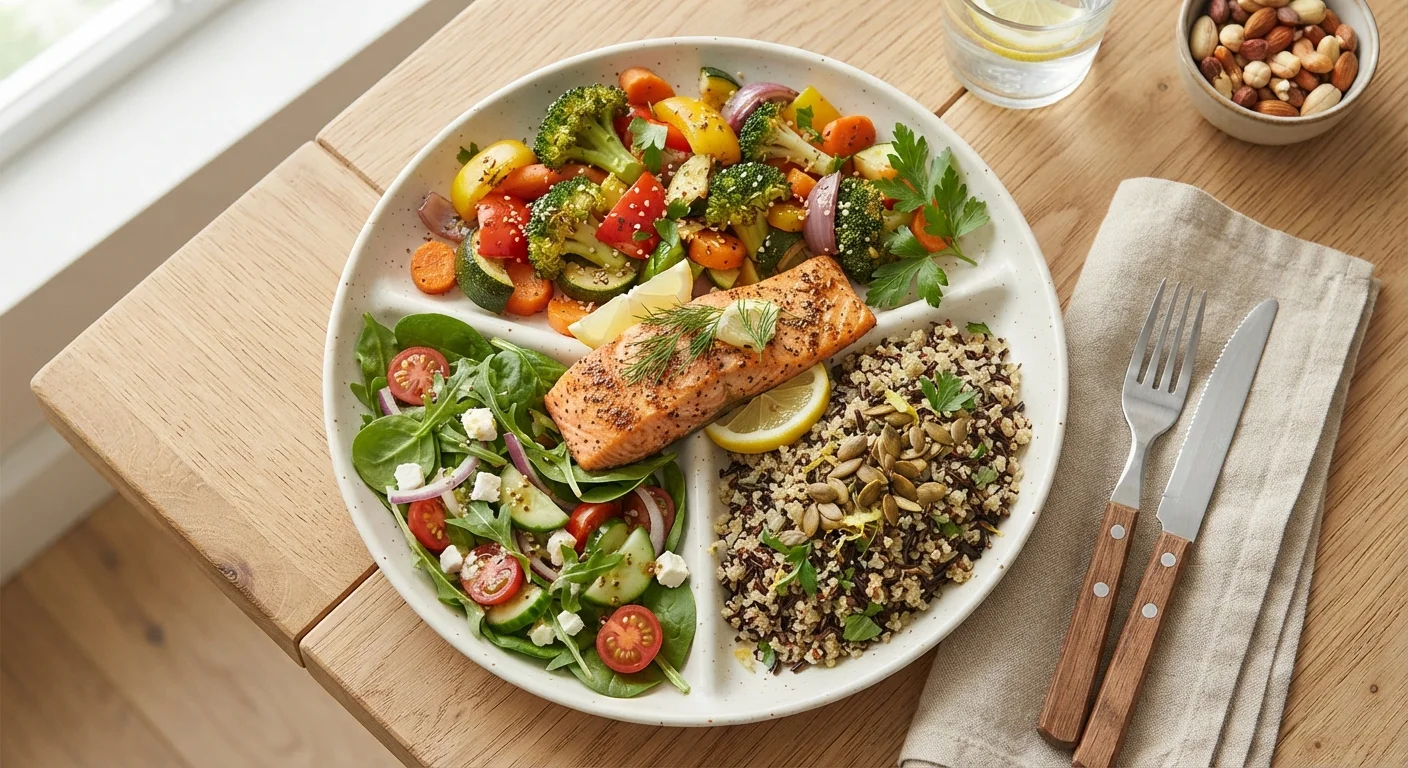
Photo: ReadersChronicle.com | Your Comprehensive Learning Destination editorial
—— In This Article
Key Takeaways
- A balanced plate is built from proportions, not perfection - no calorie counting required.
- Half your plate from vegetables and fruit, a quarter from whole grains, a quarter from protein covers the fundamentals.
- Affordable staples like beans, eggs, oats, and frozen vegetables deliver strong nutritional value.
- Understanding a handful of key nutrients helps you make smarter choices at the grocery store.
- Consistency across meals matters more than getting any single meal exactly right.
What 'Balanced' Actually Means
The word balanced gets thrown around constantly in nutrition conversations, but it rarely gets explained clearly. At its core, a balanced plate is one that provides your body with the range of nutrients it needs - carbohydrates for energy, protein for repair and function, fats for cell health, and an array of vitamins and minerals - in proportions that support overall wellbeing.
Balance does not mean equal amounts of everything, and it does not mean eliminating any food group. It also does not require weighing food or tracking macros in an app. The goal is variety and proportion, applied consistently over time.
Macronutrients
The three main categories of nutrients your body needs in larger amounts: carbohydrates (for energy), protein (for building and repair), and fat (for cell function and nutrient absorption).
Micronutrients
Vitamins and minerals your body needs in smaller amounts - such as iron, calcium, and vitamin C - that support a wide range of bodily functions.
Whole grains
Grains that retain all parts of the original kernel, including fiber-rich bran and nutrient-dense germ. Examples include oats, brown rice, and whole-wheat bread.
Plate method
A visual, tool-free approach to building a balanced meal by dividing a plate into proportional sections for vegetables, grains, and protein - no measuring required.
Fiber
A type of carbohydrate found in plant foods that the body cannot fully digest. It supports digestive health, helps you feel full, and can help regulate blood sugar levels.
The Simple Plate Method
The most practical framework most nutrition educators recommend is the plate method, developed and promoted by organizations including the USDA through its MyPlate initiative. The principle is visual and requires no measuring tools:
- Half your plate: non-starchy vegetables and fruit - the more varied the colors, the broader the nutrient coverage.
- One quarter: whole grains or a starchy vegetable such as brown rice, whole-wheat pasta, sweet potato, or oats.
- One quarter: a lean or plant-based protein - chicken, fish, eggs, tofu, lentils, or beans all qualify.
Pair your meal with water as your primary drink. This single visual habit captures the core of what nutrition science consistently supports, without complicated charts.
Color Is a Useful Shortcut
When filling the vegetable half of your plate, aim for more than one color. Different pigments in vegetables and fruit generally correspond to different vitamins and antioxidants. A mix of dark leafy greens, orange or red vegetables, and something white or purple covers a broader nutrient range than any single vegetable alone.
Key Nutrients to Keep in Mind
You do not need to memorize every micronutrient, but a working knowledge of a few key nutrients helps you read a meal more clearly:
- Fiber - found in vegetables, fruit, legumes, and whole grains - supports digestive health and helps regulate blood sugar.
- Protein provides building blocks for muscle, immune function, and countless cellular processes.
- Healthy fats - from sources like nuts, seeds, avocado, and olive oil - support brain function and help absorb fat-soluble vitamins.
- Iron, calcium, and potassium are minerals many Americans fall short on; leafy greens, dairy or fortified alternatives, and beans are accessible sources.
When your plate contains a variety of whole foods across the food groups, you are naturally covering most of these bases without tracking individual nutrients.
Affordable Foods That Cover the Bases
Eating a nutritionally complete diet does not require a large grocery budget. Several of the most nutrient-dense foods are also among the most affordable items in any grocery store:
| Food | Primary Nutritional Contribution |
|---|---|
| Dried or canned lentils and beans | Protein, fiber, iron, folate |
| Eggs | Complete protein, B vitamins, choline |
| Oats | Complex carbohydrates, soluble fiber |
| Frozen vegetables | Vitamins, minerals - often comparable to fresh |
| Canned fish (tuna, salmon, sardines) | Protein, omega-3 fatty acids |
| Sweet potatoes | Vitamin A, potassium, fiber |
For more on building a cost-effective weekly eating plan, see our practical nutrition roadmap. And for making these staples go further, stretching ingredients across multiple meals offers tested techniques.
USDA MyPlate
The USDA's MyPlate resource explains the plate method in detail and provides food group guidance based on federal dietary guidelines. A reliable starting reference for general nutrition education.
Academy of Nutrition and Dietetics - Find a Registered Dietitian
The Academy of Nutrition and Dietetics offers a searchable directory to help you locate a registered dietitian in your area for personalized, evidence-based nutrition guidance.
Putting It Into Practice
Knowing the principles is only useful when applied consistently. A few habits that help:
- Start with vegetables first. When planning or plating a meal, choose the vegetable component before anything else. It anchors the meal nutritionally.
- Default to whole grains. Swapping refined grains for whole-grain versions - even gradually - improves fiber intake without changing much else.
- Keep your pantry stocked strategically. Having affordable staples on hand makes balanced meals the path of least resistance. A practical pantry checklist can help you build that foundation.
- Don't chase perfection. If one meal is unbalanced, the next is an opportunity to adjust. For a deeper look at managing portions without rigid tracking, portion awareness without measuring every bite offers evidence-informed strategies.
This article is for general informational and educational purposes only and is not a substitute for personalized medical or dietary advice. Consult a registered dietitian or qualified healthcare professional for guidance tailored to your individual health needs.
Frequently Asked Questions

Health Editorial Team
Health Editorial Team is the collective byline for our editorial team and contributor network. Articles published under this byline or an editorial pen name are researched, written, and reviewed according to our editorial standards for clarity, consistency, and independence before publication.
View author profile