
The Trade-Offs of Meal Prepping for the Week Ahead
Batch cooking saves time and can improve diet quality—but it also comes with real drawbacks. A balanced look at whether it suits your lifestyle.
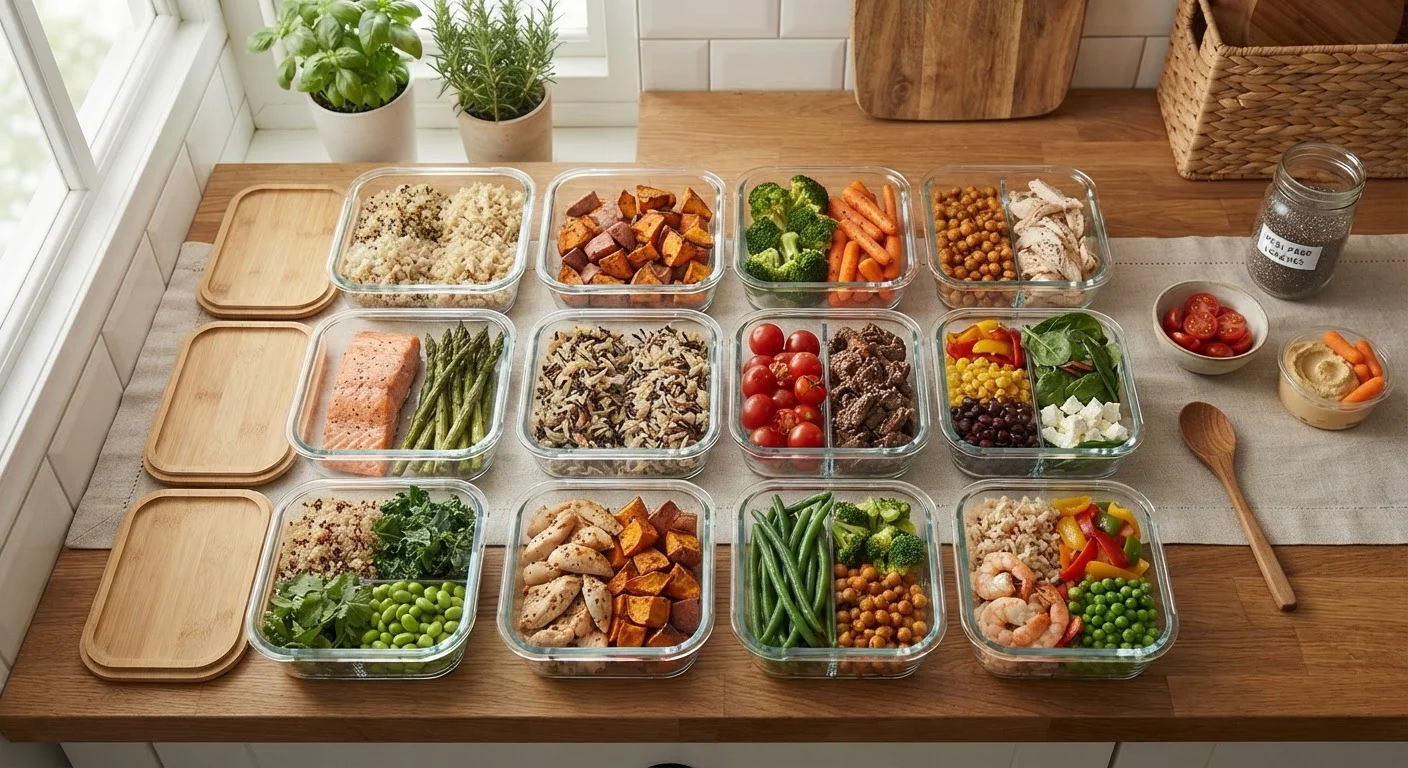
Photo: ReadersChronicle.com | Your Comprehensive Learning Destination editorial
—— In This Article
Key Takeaways
- Meal prepping can reduce daily decision fatigue and help control food spending over the week.
- Not all foods hold up well after several days in the fridge - texture and nutrient content can decline.
- The time investment upfront is substantial and may not suit every schedule or household.
- A hybrid approach - prepping some components, not full meals - often works better for flexibility.
Reduces daily cooking time significantly
Batch cooking consolidates kitchen work into one or two sessions per week, freeing up weekday evenings for other priorities.
Supports better portion awareness
Pre-portioning meals into containers makes it easier to align intake with personal health goals without requiring daily tracking.
Can lower weekly food spending
Buying ingredients in bulk and planning meals in advance reduces impulse purchases and minimizes food waste, both of which erode grocery budgets.
Reduces reliance on takeout and convenience foods
Having food ready to eat removes the temptation of ordering out when time and energy are low on weeknights.
Encourages more intentional nutritional choices
Planning meals in advance gives you time to think about variety, vegetable intake, and balance rather than deciding under pressure.
Large upfront time commitment each week
A thorough prep session - including shopping, cooking, and storing - can take two to four hours, which is a real barrier for many households.
Some foods lose quality when stored several days
Dishes with delicate textures or flavors, such as dressed salads or fried foods, deteriorate quickly and are poor candidates for batch prep.
Repetition can reduce meal enjoyment and adherence
Eating the same food multiple times in a week can diminish appetite and motivation, leading people to abandon prepped meals partway through the week.
Requires adequate refrigerator and container space
Storing several days' worth of meals demands substantial fridge space and a supply of appropriate airtight containers, which involves both cost and logistics.
Less adaptable to changing plans or preferences
If schedules shift unexpectedly or a household member's needs change mid-week, pre-made meals may go uneaten, creating waste rather than reducing it.
What Meal Prepping Actually Involves
Meal prepping - also called batch cooking - means preparing some or all of your meals in advance, usually for three to seven days at a time. This can range from cooking full portioned meals to simply washing vegetables, cooking grains, or marinating proteins ahead of time.
The practice has grown popular among people trying to eat healthier on a budget. When paired with smart shopping habits, it can meaningfully reduce both food waste and impulsive takeout spending. See common grocery shopping pitfalls that can quietly derail even well-planned weeks.
That said, meal prepping is not a single method. What works for a single professional with a predictable schedule may frustrate a parent feeding children with different preferences. Understanding the real trade-offs helps you decide whether - and how - to adapt the practice to your life.
The Advantages: Why Many People Swear by It
The most cited benefit is time savings during the week. Cooking once rather than five or six times significantly reduces the cumulative hours spent in the kitchen. That efficiency also tends to reduce reliance on convenience foods, which are typically more expensive and less nutritious.
Reduces daily cooking time significantly
Batch cooking consolidates kitchen work into one or two sessions per week, freeing up weekday evenings for other priorities.
Supports better portion awareness
Pre-portioning meals into containers makes it easier to align intake with personal health goals without requiring daily tracking.
Can lower weekly food spending
Buying ingredients in bulk and planning meals in advance reduces impulse purchases and minimizes food waste, both of which erode grocery budgets.
Reduces reliance on takeout and convenience foods
Having food ready to eat removes the temptation of ordering out when time and energy are low on weeknights.
Encourages more intentional nutritional choices
Planning meals in advance gives you time to think about variety, vegetable intake, and balance rather than deciding under pressure.
Budget control is another meaningful upside. Buying ingredients in bulk or in season and building meals around affordable staples - like legumes, whole grains, and frozen vegetables - can stretch a limited grocery budget considerably. Our guide to eating well on $50 a week outlines how these strategies work together.
There's also evidence suggesting that having food already prepared reduces the likelihood of skipping meals or making less nutritious choices when tired or pressed for time. Decision fatigue is real, and removing the daily question of "what's for dinner" has measurable value for many households.
The Drawbacks: Honest Limitations Worth Knowing
The upfront time cost is the most common reason people abandon meal prepping. A full batch-cooking session typically runs two to four hours, including shopping, chopping, cooking, and storing. For people with unpredictable schedules or limited energy on weekends, this can feel prohibitive.
Large upfront time commitment each week
A thorough prep session - including shopping, cooking, and storing - can take two to four hours, which is a real barrier for many households.
Some foods lose quality when stored several days
Dishes with delicate textures or flavors, such as dressed salads or fried foods, deteriorate quickly and are poor candidates for batch prep.
Repetition can reduce meal enjoyment and adherence
Eating the same food multiple times in a week can diminish appetite and motivation, leading people to abandon prepped meals partway through the week.
Requires adequate refrigerator and container space
Storing several days' worth of meals demands substantial fridge space and a supply of appropriate airtight containers, which involves both cost and logistics.
Less adaptable to changing plans or preferences
If schedules shift unexpectedly or a household member's needs change mid-week, pre-made meals may go uneaten, creating waste rather than reducing it.
Food quality is another practical concern. Certain foods - leafy salads, delicate fish, dishes with crispy textures - do not hold well for five to seven days. Nutritional losses in some vegetables are modest but real when foods are cooked and stored over extended periods. The trade-off between convenience and freshness is genuine.
Variety can also suffer. Eating the same meal repeatedly causes what researchers sometimes call "sensory-specific satiety" - a declining enjoyment of a food the more often it is consumed. This can lead to abandoning prepped meals midweek and defaulting to less intentional choices.
Food Safety and Storage Timelines Matter
The USDA recommends consuming most cooked foods stored in the refrigerator within three to four days. Preparing a full seven-day supply of perishable meals may push food safety boundaries for some dishes. Freezing portions you won't eat within that window is a safer and effective alternative. Always store prepped food in sealed containers and reheat thoroughly before eating.
A Middle-Ground Approach That Tends to Work Better
Rather than prepping entire meals, many nutrition educators recommend prepping components - cooked grains, roasted vegetables, a protein source - that can be combined in different ways across the week. This preserves flexibility without sacrificing the time-saving benefit.
For example, a batch of cooked brown rice pairs with a stir-fry one night, a grain bowl the next, and a soup by midweek. This approach aligns well with the strategy of stretching nutritious ingredients across multiple meals, which helps reduce both cost and monotony.
Keeping a well-stocked pantry also reduces the pressure on any single prep session. Pantry staples like canned beans, canned tomatoes, and dried lentils act as a reliable safety net when prepped food runs out or schedules change.
~$1,500
Estimated annual savings from home meal preparation
Research published in the American Journal of Preventive Medicine found home cooking is consistently associated with lower food spending compared to restaurant or convenience-food reliance.
30-35%
Share of US household food that goes to waste
The USDA estimates that roughly a third of food purchased at home is discarded, a problem that thoughtful meal planning and prepping can help reduce.
This article provides general nutrition information and is not a substitute for personalized advice from a registered dietitian or qualified healthcare professional.

Health Editorial Team
Health Editorial Team is the collective byline for our editorial team and contributor network. Articles published under this byline or an editorial pen name are researched, written, and reviewed according to our editorial standards for clarity, consistency, and independence before publication.
View author profile