
Fiber: The Nutrient Most Americans Consistently Under-Eat
Fiber supports digestion, blood sugar, and satiety, yet most US adults fall well short of recommendations. Here's what it is and where to find it affordably.
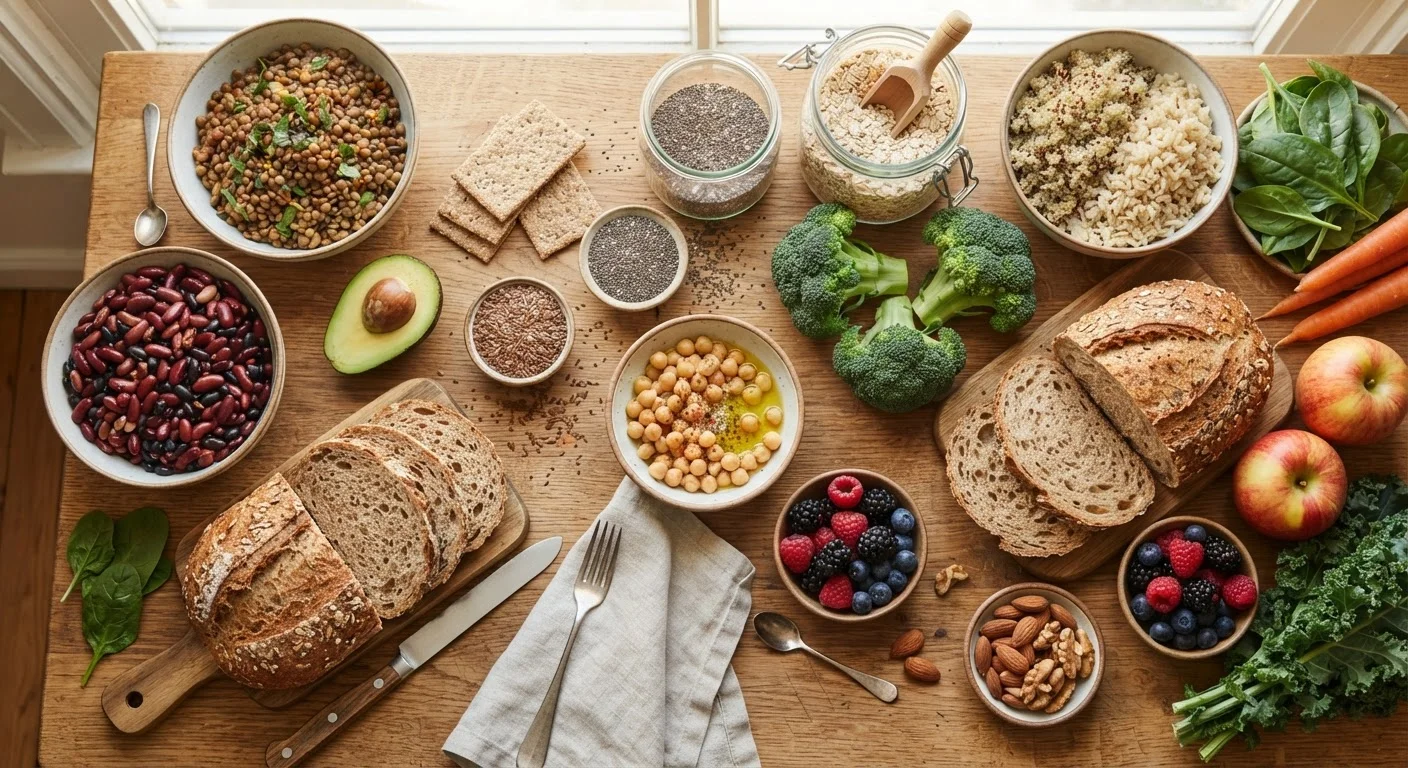
Photo: ReadersChronicle.com | Your Comprehensive Learning Destination editorial
—— In This Article
Key Takeaways
- Most US adults consume only about half the recommended daily amount of fiber.
- Fiber supports digestion, helps regulate blood sugar, and promotes lasting fullness.
- The cheapest fiber sources - beans, lentils, oats, and frozen vegetables - are also among the most nutritious.
- Gradually increasing fiber intake, rather than all at once, reduces digestive discomfort.
- Reading nutrition labels for grams of dietary fiber per serving is an easy way to make smarter food choices.
Why Fiber Matters More Than Most People Realize
Fiber consistently ranks among the most under-consumed nutrients in the American diet, yet it plays a fundamental role in how the body functions day to day. Research cited by the DGA consistently identifies dietary fiber as a nutrient of public health concern - meaning most Americans don't get enough of it, and that gap has measurable consequences.
Beyond keeping digestion regular, soluble fiber slows the absorption of glucose into the bloodstream, helping to moderate blood sugar swings after meals. Insoluble fiber adds bulk to stool, supporting healthy bowel function. Both types contribute to a feeling of fullness that can naturally reduce overall calorie intake - a meaningful benefit for anyone trying to manage weight without strict restriction.
Long-term, higher fiber intake is associated in population studies with reduced risk of cardiovascular disease, type 2 diabetes, and certain digestive conditions. While no single nutrient is a cure or guarantee of any health outcome, the evidence base for fiber is unusually consistent across decades of research.
~15g
Average daily fiber intake for US adults
According to data referenced in the Dietary Guidelines for Americans, most adults consume roughly half the recommended amount of fiber each day.
95%
Americans failing to meet fiber recommendations
A study published in the American Journal of Lifestyle Medicine estimated that approximately 95% of Americans do not meet daily fiber intake recommendations.
16g
Fiber per cooked cup of lentils
USDA FoodData Central lists cooked lentils as one of the most fiber-dense whole foods available, at a cost of roughly $1-2 per pound dried.
Where Americans Fall Short - and Why
The average US adult consumes roughly 15 grams of fiber daily - about half the amount that dietary guidelines recommend. One major driver is the prevalence of highly processed foods in the American diet. Refining grains to make white flour and white rice strips away the bran and germ, which is precisely where most of the fiber lives. A slice of white bread contains less than 1 gram of fiber; the same serving of 100% whole wheat bread can offer 2-3 grams.
Convenience and cost perception also play a role. Many people assume that high-fiber eating requires expensive specialty products - fiber bars, grain bowls from restaurants, or packaged "superfood" mixes. In reality, the most fiber-dense foods available are among the most affordable items in any grocery store. The gap is less about access to expensive products and more about awareness and habit.
Budget eating doesn't have to mean low nutrition - and fiber is one of the clearest examples of that principle in action.
Affordable, Everyday Sources of Fiber
Some of the densest fiber sources cost very little per serving. Dried lentils and split peas routinely provide 15-16 grams of fiber per cooked cup. Canned black beans or kidney beans offer around 13-15 grams per cup and require no preparation beyond rinsing. Rolled oats provide roughly 4 grams per dry half-cup serving. These foods also supply protein, making them genuinely multitasking ingredients - see our guide to plant proteins on a budget for more on that overlap.
Frozen vegetables are another underrated source. A cup of frozen peas delivers around 8 grams of fiber. Frozen broccoli, edamame, and mixed vegetables are similarly fiber-rich and cost far less than fresh equivalents in most seasons. Keeping a bag of each in the freezer makes it easy to add fiber to almost any meal without planning.
Whole fruits with their skins intact - apples, pears, berries - contribute meaningfully as well. A medium apple with skin provides close to 4-5 grams of fiber. Choosing whole fruit over juice retains the fiber that juicing removes.
Read Labels for Fiber Per Serving
When comparing packaged foods like bread, cereals, or crackers, check the Nutrition Facts label for dietary fiber. A product with 3 grams or more per serving is generally considered a good source; 5 grams or more qualifies as an excellent source. This quick habit makes it easier to consistently choose higher-fiber options without overhauling your entire grocery list.
For practical ideas on building varied meals around these ingredients, stretching nutritious ingredients across multiple meals offers concrete starting points.
How to Increase Fiber Without Discomfort
One of the most common barriers to eating more fiber is the digestive adjustment period. Bloating and gas are normal temporary responses when fiber intake rises quickly, because gut bacteria need time to adapt. The practical solution is to increase fiber gradually over several weeks rather than overhauling the diet all at once.
Drinking sufficient water is equally important. Fiber - especially soluble fiber - absorbs water as it moves through the digestive tract. Without adequate hydration, increased fiber can slow digestion rather than support it.
Special Populations Should Seek Guidance
People with irritable bowel syndrome (IBS), Crohn's disease, or other digestive conditions may need to approach fiber changes differently, as certain fiber types can aggravate symptoms. Pregnant individuals and older adults also have specific nutritional considerations. Always consult a healthcare provider or registered dietitian if you have an underlying condition before significantly increasing fiber intake.
Simple habit shifts - swapping refined grains for whole grain versions, adding a handful of beans to soups or salads, choosing fruit over processed snacks - can meaningfully close the fiber gap without requiring a complete diet overhaul. Paying attention to nutrition labels is one practical tool: products listing 3 grams of fiber or more per serving are generally considered a good source. Being mindful of grocery shopping habits that undermine nutrition goals can also help you make more consistent choices at the store.
This article is for general informational purposes only and is not a substitute for professional medical or dietary advice. Consult a qualified healthcare provider before making significant changes to your diet, especially if you have a chronic health condition.
Frequently Asked Questions

Health Editorial Team
Health Editorial Team is the collective byline for our editorial team and contributor network. Articles published under this byline or an editorial pen name are researched, written, and reviewed according to our editorial standards for clarity, consistency, and independence before publication.
View author profile