
Setting Emotional Boundaries: What It Means and Where People Go Wrong
Emotional boundaries protect your well-being, but many people misunderstand what they are or how to set them. Here's a clear, grounded look at the concept.
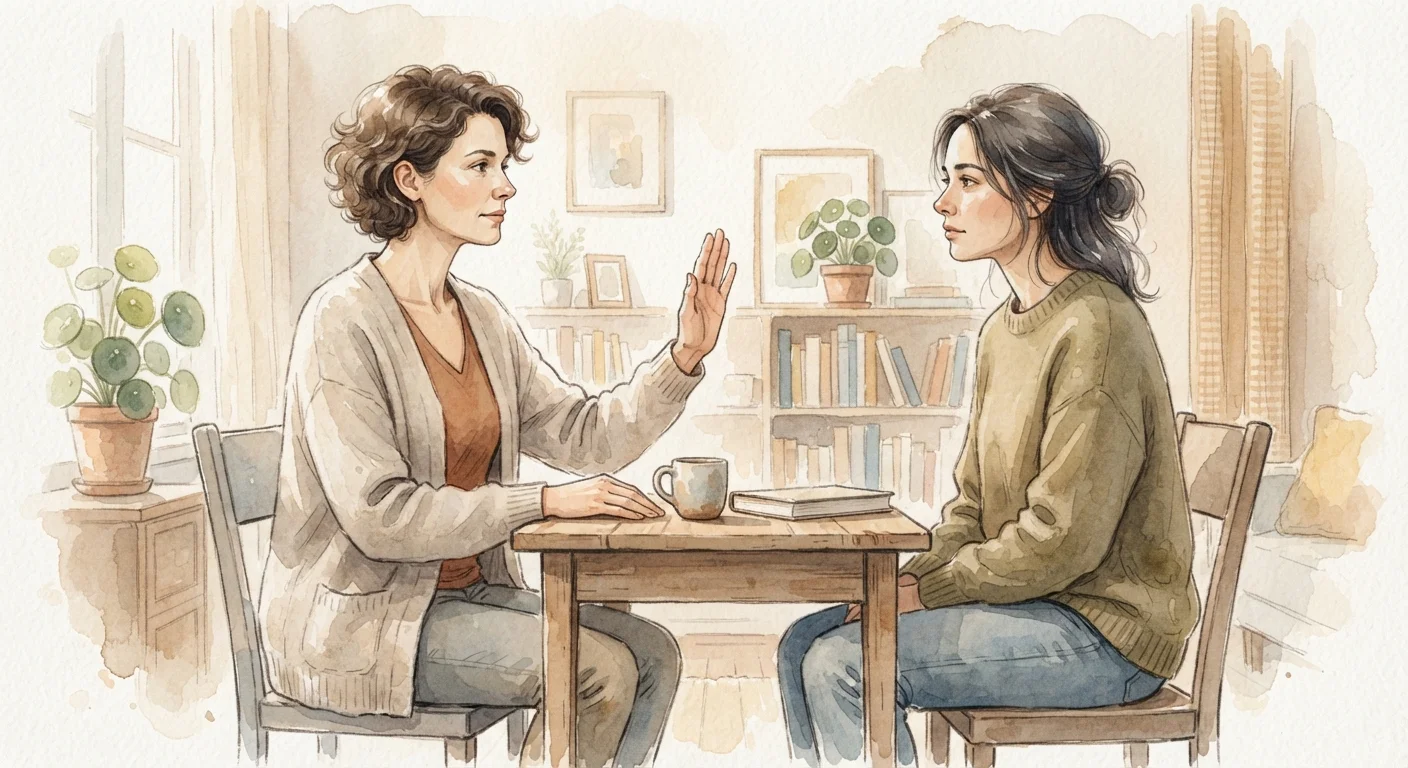
Photo: ReadersChronicle.com | Your Comprehensive Learning Destination editorial
—— In This Article
Key Takeaways
- Emotional boundaries define what you will and won't accept in relationships, protecting your mental wellness.
- Many people confuse emotional boundaries with emotional distance or manipulation tactics.
- Boundaries require clear, consistent communication - not silence or ultimatums.
- Setting boundaries is a skill that takes practice, and expecting perfection leads to abandonment.
- Boundaries should be rooted in your own needs, not attempts to control others' behavior.
What Emotional Boundaries Actually Are
An emotional boundary is a personal limit that defines how you allow others to treat you, how much emotional labor you take on, and where your responsibility for another person's feelings ends. They aren't about building walls or cutting people off - they're internal guidelines that help you stay emotionally healthy within relationships.
Understanding boundaries starts with distinguishing them from rules you impose on others. A boundary is a statement about your behavior: what you will or won't participate in, what treatment you'll accept, and when you'll step away. It's not a demand that someone else change. If you're new to thinking about this, this introduction to mental wellness offers useful context on building emotional self-awareness from the ground up.
Without healthy emotional boundaries, people often experience chronic resentment, emotional exhaustion, and a loss of identity in their relationships. Boundaries are a foundational part of broader mental wellness, which goes beyond the absence of illness to include how we function and relate day to day.
Common Mistakes When Setting Emotional Boundaries
Even people who understand why boundaries matter frequently stumble when putting them into practice. These mistakes are worth recognizing - not as personal failures, but as patterns many people share.
Confusing boundaries with punishment or giving someone the silent treatment.
Why it happens: People often learn boundary-setting through conflict, where withdrawal feels like the only option. The concept gets tangled up with emotional retaliation rather than self-care.
Setting boundaries only when already overwhelmed, making them feel reactive and harsh.
Why it happens: Many people wait until resentment has built to a breaking point before speaking up. By then, the conversation carries frustration that obscures the actual limit being set.
Framing boundaries as attempts to control another person's behavior.
Why it happens: It's natural to want others to stop doing the thing that hurts you. This sometimes causes people to frame their boundary as a demand: "You can't do that anymore."
Abandoning a boundary the first time it's challenged or not respected.
Why it happens: Discomfort with conflict, guilt about disappointing others, or fear of the relationship ending can make maintaining a new boundary feel unbearable in the moment.
Believing that setting boundaries means you don't care about the other person.
Why it happens: Many people equate caring deeply with unlimited availability. The cultural message that sacrifice equals love can make limits feel selfish or cold.
It's also worth noting that some everyday habits can quietly erode the emotional groundwork that makes boundaries possible. Habits that undermine emotional well-being often work against boundary-setting without people realizing it.
Boundaries in High-Conflict or Unsafe Situations
If you are in a relationship where your safety - physical or emotional - feels threatened, boundary-setting alone is not sufficient. Please reach out to a licensed mental health professional, a counselor, or a crisis service. The 988 Suicide and Crisis Lifeline (call or text 988) also provides confidential support for a range of emotional crises. Do not navigate high-risk situations without qualified help.
This article is for general informational purposes only and is not a substitute for professional mental health advice, diagnosis, or treatment. If you are struggling with relationships, emotional distress, or mental health concerns, please consult a licensed mental health professional.

Health Editorial Team
Health Editorial Team is the collective byline for our editorial team and contributor network. Articles published under this byline or an editorial pen name are researched, written, and reviewed according to our editorial standards for clarity, consistency, and independence before publication.
View author profile