
Keeping Your Pantry Stocked for Balanced Eating
A practical pantry checklist covering affordable staples—grains, legumes, canned goods, and more—that support nutritious everyday cooking.
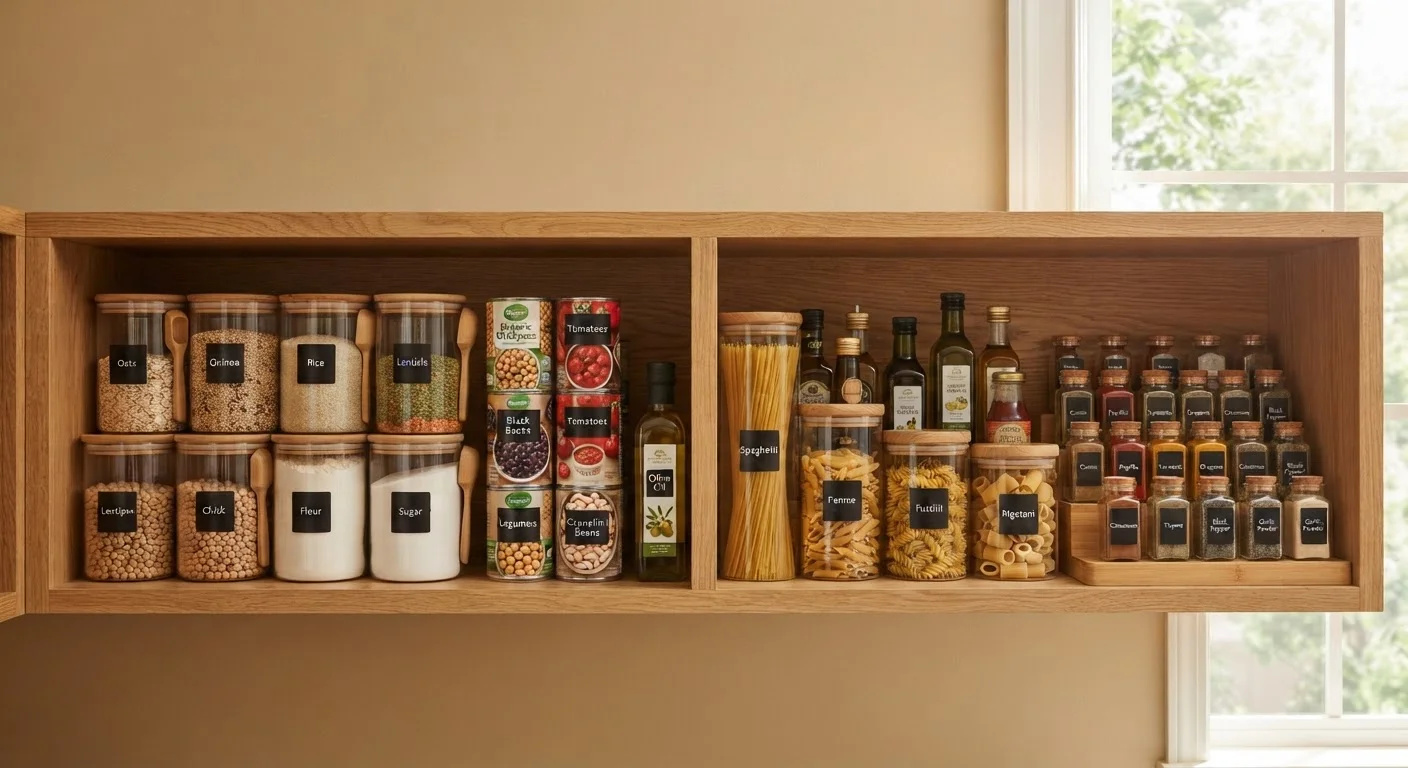
Photo: ReadersChronicle.com | Your Comprehensive Learning Destination editorial
Key Takeaways
- A handful of affordable staples-grains, legumes, canned goods-can support balanced eating year-round.
- Pantry auditing before grocery shopping reduces waste and prevents duplicate purchases.
- Shelf-stable proteins like canned fish and dried lentils are among the most cost-effective nutrient sources available.
- Stocking a variety of healthy fats, acids, and spices helps make nutritious food genuinely satisfying.
- A well-organized pantry makes it easier to cook balanced meals even on busy weeknights.
Why a Stocked Pantry Changes How You Eat
Most nutrition advice focuses on what to eat-fewer processed foods, more vegetables, adequate protein-but says little about the practical infrastructure that makes healthy eating sustainable. A well-stocked pantry is that infrastructure. When your shelves hold versatile, affordable staples, balanced meals become the path of least resistance rather than the result of heroic planning.
This checklist is designed for budget-conscious households looking to audit their current pantry and identify gaps. Use it before a grocery run, or simply walk through it shelf by shelf to see where you stand. For a deeper look at how these ingredients translate into actual meals, see our guide on stretching nutritious ingredients across multiple meals.
Before diving in, note that this is general nutrition information-not personalized dietary advice. If you have specific health conditions or dietary needs, consult a registered dietitian or healthcare provider.
Whole Grains & Starches
Legumes & Plant Proteins
Canned & Shelf-Stable Proteins
Canned Vegetables & Fruits
Healthy Fats & Acids
Flavor Builders: Herbs, Spices & Condiments
Broth, Stock & Sauces
Pantry Audit Habits
Making the Most of Your Pantry Staples
Owning these ingredients is only the first step. The real value comes from understanding how to combine them. Whole grains paired with legumes, for example, form a complementary protein profile that makes plant-based eating more nutritionally complete-a principle explored further in our article on plant proteins on a budget.
If you're unsure how to turn pantry staples into a coherent plate, building a balanced plate without a nutrition degree offers a straightforward, jargon-free framework. And if you're working within a tight weekly food budget, our eating well on $50 a week roadmap shows how these staples fit into a realistic spending plan.
Watch Sodium in Canned and Packaged Goods
Many canned beans, tomatoes, broths, and sauces contain significant amounts of added sodium. Consistently high sodium intake is associated with elevated blood pressure in some individuals, according to general dietary guidance from public health authorities. Where possible, choose low-sodium or no-salt-added versions and rinse canned legumes before use. If you have a condition that requires sodium monitoring, speak with your healthcare provider about appropriate limits for your situation.
Finally, avoid the common trap of letting a full pantry go to waste through poor shopping habits. Our article on grocery shopping habits that undermine nutrition goals highlights the patterns most likely to derail even well-intentioned shoppers. A stocked pantry and smart shopping habits together form a powerful foundation for consistent, affordable nutrition.
Pantry Inventory Notepad or App
Track what you currently have stocked so you can identify gaps before each grocery trip.
Airtight Storage Containers
Keep dried grains, legumes, and spices fresh longer and prevent pantry pests.
Can Opener
Essential for accessing canned legumes, fish, tomatoes, and other shelf-stable ingredients.
Label Maker or Masking Tape
Label decanted containers with the item name and date opened to track freshness easily.

Health Editorial Team
Health Editorial Team is the collective byline for our editorial team and contributor network. Articles published under this byline or an editorial pen name are researched, written, and reviewed according to our editorial standards for clarity, consistency, and independence before publication.
View author profile