
Stretching Nutritious Ingredients Across Multiple Meals
Cook once, eat well several times. Practical techniques for turning a handful of affordable, nutrient-dense ingredients into varied, balanced meals.
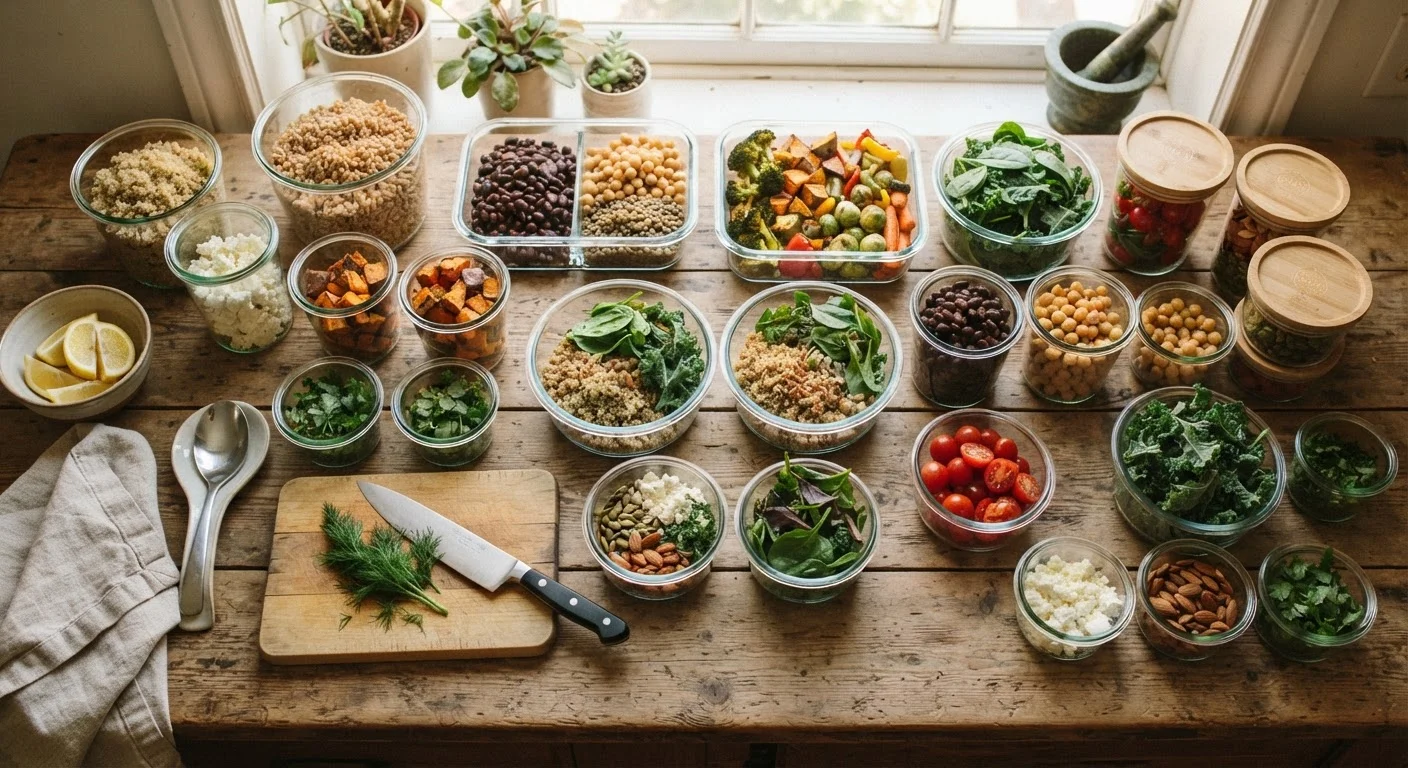
Photo: ReadersChronicle.com | Your Comprehensive Learning Destination editorial
—— In This Article
Key Takeaways
- A handful of affordable staples - grains, legumes, and vegetables - can form the base of multiple nutritionally complete meals.
- Cooking proteins and grains in bulk, then varying seasonings and pairings, prevents meal fatigue without extra cost.
- Strategic ingredient overlap reduces both food waste and weekly grocery spending.
- Nutrient-dense plant proteins such as lentils and chickpeas are especially versatile for multi-meal planning.
- Keeping a stocked pantry of sauces and spices is the low-cost key to making the same base taste entirely different.
Why Ingredient Overlap Is a Nutritional Strategy, Not a Shortcut
Stretching ingredients across meals is one of the most evidence-aligned approaches to eating well affordably. Rather than buying a different set of groceries for every dinner, you select a core group of nutrient-dense foods and let them play multiple roles across the week. This reduces grocery outlay, limits waste, and - critically - keeps your diet consistent and varied at the same time.
The approach works because whole foods like brown rice, lentils, eggs, canned chickpeas, leafy greens, and sweet potatoes are inherently flexible. They carry protein, fiber, complex carbohydrates, and micronutrients in each serving, and their mild base flavors absorb seasonings readily. For a deeper look at building meals around these principles, see how to build a balanced plate without overcomplicating it.
The strategy also pairs naturally with a well-stocked pantry. Spices, vinegars, canned tomatoes, and a few condiments cost little per use but transform a familiar base ingredient into something that feels entirely new. Keeping core pantry staples on hand is what makes the whole system work week after week.
Start Simple, Then Expand
If this approach is new to you, begin with just one anchor ingredient - a pot of lentils, for instance - and map out three meals before the week starts. Once that rhythm feels natural, add a second anchor. Building the habit gradually is more sustainable than overhauling your entire cooking routine at once.
Choosing Your Anchor Ingredients
Before cooking, identify two to three anchor ingredients - foods versatile enough to appear in at least three different meals without tasting repetitive. Strong candidates include:
- Whole grains (brown rice, farro, quinoa): serve as a bowl base, a soup filler, or a grain salad component
- Legumes (lentils, black beans, chickpeas): work in tacos, soups, grain bowls, or mashed into spreads
- Roasted vegetables (sweet potato, broccoli, cauliflower): go into wraps, omelets, or as a side alongside any protein
- Eggs: scrambled, hard-boiled, or fried, they pair with nearly every other ingredient on this list
Plant-based proteins deserve particular attention here. Affordable plant proteins like lentils and tofu deliver solid nutrition per dollar and integrate seamlessly into varied preparations. Similarly, fiber-rich staples like beans and whole grains support satiety - an important factor for anyone managing a tight food budget. Learn more in our overview of fiber and why most Americans fall short.
Plan around two to three anchor ingredients
Before shopping, identify which two or three versatile staples will anchor the week. Write down at least three distinct meal formats each can appear in. This prevents over-purchasing and ensures every item you buy earns its place across multiple meals.
Cook grains and legumes in one large batch
Prepare your chosen grains and legumes in a single session - typically two to three cups dry yields enough for four to six servings. Store cooked grains in an airtight container in the refrigerator for up to five days, and cooked legumes for three to four days. This one step removes the biggest time barrier to eating well on weeknights.
Roast a tray of vegetables without seasoning
Lightly coat cut vegetables in a neutral oil and roast plain - no herbs yet. Unseasoned roasted vegetables adapt to any cuisine profile you add later. A standard sheet pan holds enough for three to four meal portions. Aim for a mix of at least one starchy vegetable (sweet potato, squash) and one cruciferous option (broccoli, cauliflower).
Build a small seasoning rotation
Prepare three simple sauce or spice combinations ahead of time - for example: (1) cumin, smoked paprika, and lime; (2) soy sauce, ginger, and sesame oil; (3) garlic, oregano, and red wine vinegar. Label each by the meal it anchors. Applying a different profile to the same base ingredients is the primary technique for preventing flavor fatigue across the week.
Assemble meals using a simple format rotation
Rotate between at least three formats: grain bowl, wrap or flatbread, and soup or stew. Each format uses the same cooked components but presents them differently - varying textures, temperatures, and portion ratios. This rotation covers breakfast through dinner and keeps the diet nutritionally consistent without feeling repetitive. For additional structure around balanced assembly, see a practical nutrition roadmap for eating well on a tight budget.
Avoiding Meal Fatigue and Food Waste
The most common reason this strategy fails is sensory monotony - eating the same-tasting dish repeatedly. The solution is to change at least two variables between meals: the sauce or seasoning profile, and the meal format (bowl vs. wrap vs. soup). The same roasted chickpeas that were spiced with cumin and turmeric for a grain bowl on Monday can become a smoky taco filling by Wednesday and fold into a tomato-based stew by Friday.
On the waste side, keep perishable items toward the front of the refrigerator and use soft vegetables (wilting spinach, overripe tomatoes) in cooked preparations - soups, stews, and egg scrambles - rather than discarding them. If you are curious whether batch cooking fits your schedule and habits, this balanced look at meal prepping trade-offs covers the real advantages and drawbacks honestly.
For those interested in growing some of their own anchor vegetables to cut costs further, starting a vegetable garden on a tight budget is a practical companion resource.
Food Safety Matters With Batch Cooking
Cooked grains and legumes stored improperly are a common source of foodborne illness. Refrigerate within two hours of cooking, use within four to five days, and reheat thoroughly to an internal temperature of 165°F before eating. When in doubt, discard - the savings from batch cooking are not worth a health risk.
This article is for general informational and educational purposes only and is not a substitute for personalized nutrition or medical advice. Consult a registered dietitian or qualified healthcare provider for guidance suited to your individual health needs.

Health Editorial Team
Health Editorial Team is the collective byline for our editorial team and contributor network. Articles published under this byline or an editorial pen name are researched, written, and reviewed according to our editorial standards for clarity, consistency, and independence before publication.
View author profile