
Starting a Vegetable Garden on a Tight Budget
Grow your own food without spending much. Practical strategies for stretching every dollar while still getting a productive harvest.
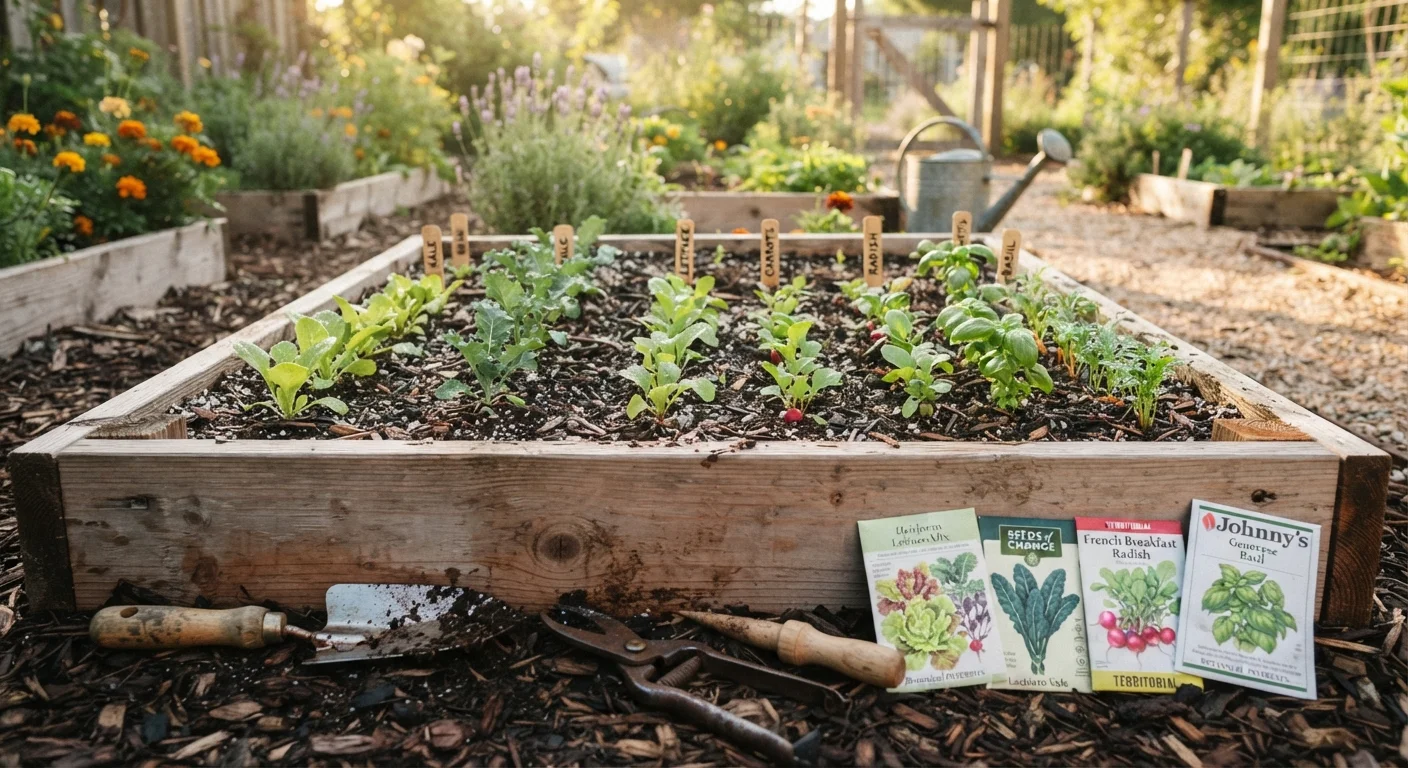
Photo: ReadersChronicle.com | Your Comprehensive Learning Destination editorial
—— In This Article
Key Takeaways
- Starting small - even a 4×4-foot plot - reduces costs and increases your chances of early success.
- Seeds cost far less than transplants and give you access to a wider variety of vegetables.
- Free compost, repurposed containers, and seed swaps can dramatically cut your startup expenses.
- Choosing high-yield, easy-to-grow vegetables maximizes return on every dollar and hour invested.
- Consistency in watering and weeding matters more than any paid product or fancy technique.
Why Budget Gardening Is About Decisions, Not Deprivation
A vegetable garden doesn't need to cost much to produce well. The gap between a $200 setup and a $20 one often comes down to choices - not results. Expensive raised bed kits, bags of pre-mixed soil, and nursery transplants are all convenient, but none of them is necessary. What actually determines success is understanding a few core principles: good soil, adequate sun, the right crops for your space, and consistent care.
If you're starting from scratch, this first-garden readiness checklist is a useful way to confirm your site, soil, and timing are in order before committing any money. The goal isn't to spend nothing - it's to spend only on what genuinely matters.
Don't Skip Soil - It's Everything
The single biggest mistake budget gardeners make is neglecting soil quality while spending on plants and tools. Poor soil produces weak plants, low yields, and wasted money. Before buying anything else, assess your soil and plan how you'll improve it. Starting a compost pile costs nothing and pays dividends for years - see our guide on composting at home for a full walkthrough.
Growing your own food also connects to broader goals around eating well affordably. Vegetables you grow yourself can complement strategies like stretching ingredients across multiple meals or eating well on a tight weekly budget.
Check Before You Buy Any Tool
Many communities have tool libraries, gardening co-ops, or neighborhood groups where you can borrow or share basic garden tools. Before purchasing, check local Facebook groups, Buy Nothing communities, or your nearest community garden. Our guide to low-cost garden tools can help you identify what's actually worth owning.
Step-by-Step: Setting Up and Running Your Garden
Follow these steps in sequence for your first season. Each one is designed to keep costs low while building the habits that lead to real harvests.
What you will need
Hand trowel
Used for digging small holes for seeds and transplants and for loosening soil in tight spaces.
Watering can or garden hose with adjustable nozzle
Delivers water to seedlings and established plants without washing away soil or seeds.
Garden fork or hoe
Breaks up and aerates soil before planting, reducing the need for expensive soil amendments.
Seed packets
The most cost-effective way to start vegetables; one packet typically yields far more plants than a single transplant tray.
Reusable planting containers or egg cartons
Used as free or very low-cost seed-starting containers before outdoor transplanting.
Mulch (straw, dried leaves, or wood chips)
Suppresses weeds and retains soil moisture, reducing watering frequency and effort.
Choose and prepare a small, sunny plot
Resist the urge to start big. A 4×4-foot or 4×8-foot bed gives you a manageable, productive space without overwhelming your time or budget. Look for the spot in your yard that gets the most direct sun - ideally six or more hours daily. Remove weeds by hand, loosen the top 8-10 inches of soil with a fork or hoe, and work in any organic matter you have available. Even a small amount of homemade compost makes a meaningful difference.
Improve your soil before spending on plants
Healthy soil is the foundation of a productive garden. If your soil is heavily clay or very sandy, work in compost, aged leaves, or grass clippings to improve its texture and nutrient content. You don't need bags of purchased amendments right away - organic material that you create or collect locally works just as well over time. For a deeper look at what your soil actually needs, the soil fundamentals guide covers the essentials clearly.
Buy seeds, not transplants
A packet of seeds typically costs $1-$4 and contains dozens of plants worth of potential. A single nursery transplant of the same vegetable often costs $3-$6 for just one plant. Start from seed wherever possible. Vegetables that are easy to direct-sow directly in the ground include beans, radishes, lettuce, carrots, and zucchini. For crops like tomatoes and peppers that benefit from an early indoor start, repurposed yogurt cups or egg cartons work well as free seed-starting containers. See direct sowing vs. starting seeds indoors for guidance on which approach suits each crop.
Pick high-yield, easy-care vegetables
Not all vegetables deliver equal value for a beginner on a budget. Focus on crops that produce abundantly relative to the space and effort they require. Zucchini, green beans, Swiss chard, lettuce, kale, and radishes are reliable producers that mature quickly and don't demand complicated care. Tomatoes take more attention but are worth it given how much homegrown tomatoes differ in quality from store-bought. Avoid starting with slow, temperamental crops like celery or artichokes until you've gained confidence.
Water consistently and mulch to reduce effort
Inconsistent watering is one of the most common causes of poor yields in beginner gardens. Water deeply and less frequently rather than lightly every day - this encourages roots to grow deeper and makes plants more resilient. Lay a 2-3 inch layer of straw, dried leaves, or wood chips around your plants to retain moisture and suppress weeds. Mulch is one of the most cost-effective tools in any garden; often you can collect leaves or straw for free in your neighborhood. Consistent habits like these do more for your harvest than any purchased product - the guide to tending a garden without overcomplicating it explains these routines in plain detail.
Save seeds to cut costs next season
Once your garden produces, you can start reducing future costs by saving seeds from open-pollinated and heirloom varieties. Let a few healthy specimens of beans, tomatoes, peppers, or squash fully ripen on the vine, then collect, dry, and store their seeds in labeled paper envelopes in a cool, dry place. Hybrid varieties (usually labeled F1 on the packet) won't breed true, so focus seed-saving on open-pollinated types. This single habit can make your second year of gardening nearly free in seed costs.
Seedling Loss Is Common - Don't Overspend Early
New gardeners often lose seedlings to damping off (a fungal disease that kills young plants at the soil line), overwatering, or insufficient light. Start more seeds than you think you need, and don't invest heavily in any single seedling tray. If you're consistently losing young plants, this guide to seedling problems walks through the most common causes and fixes.
If you're working with limited outdoor space - a balcony, patio, or small yard - container gardening is worth considering, though it comes with its own trade-offs around soil volume and watering frequency. For most beginners with any ground access at all, an in-ground or simple raised bed will be more forgiving and less expensive to maintain.

Home Editorial Team
Home Editorial Team is the collective byline for our editorial team and contributor network. Articles published under this byline or an editorial pen name are researched, written, and reviewed according to our editorial standards for clarity, consistency, and independence before publication.
View author profile