
DIY Repairs vs. Hiring a Pro: How Homeowners Can Tell the Difference
Not every fix belongs on a weekend to-do list. This guide helps you assess which maintenance tasks are safe to tackle yourself and which need licensed help.
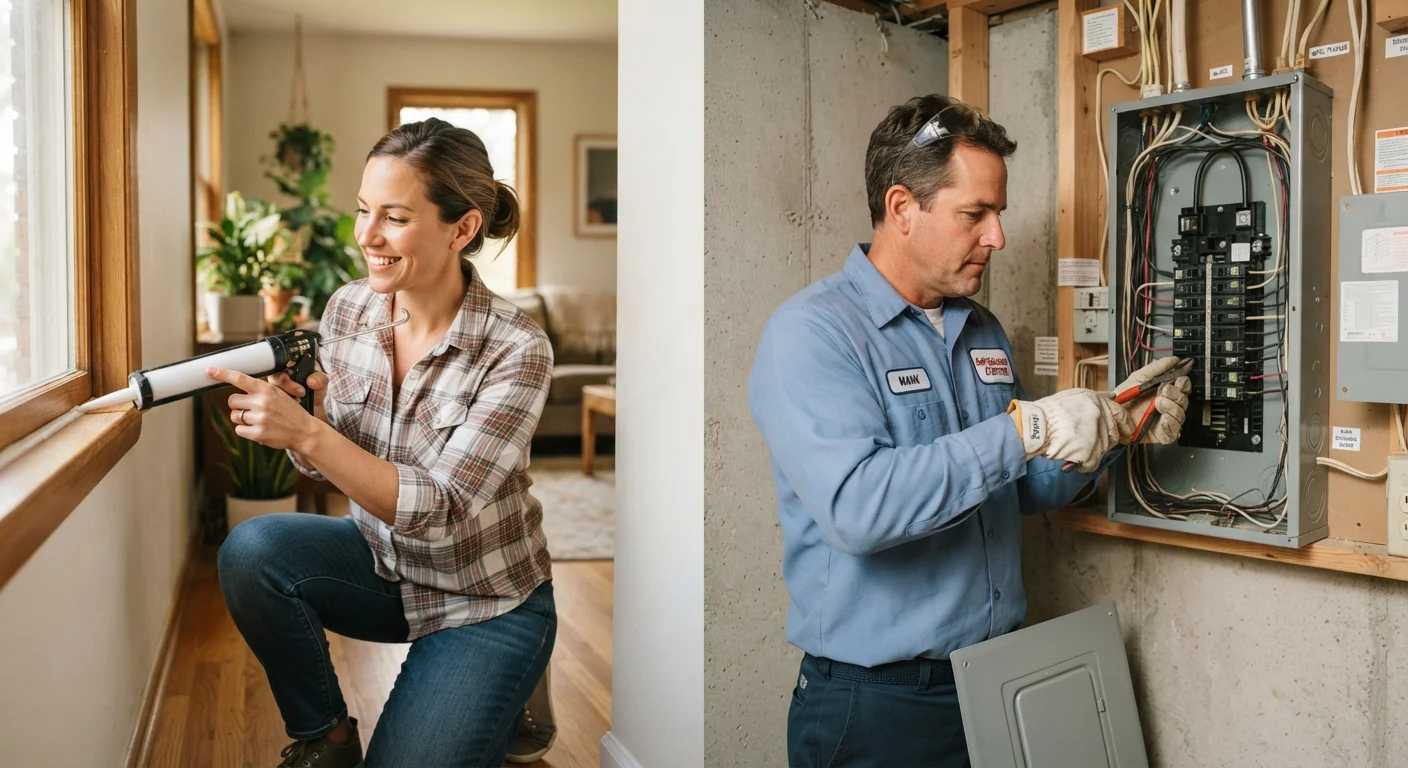
Photo: ReadersChronicle.com | Your Comprehensive Learning Destination editorial
—— In This Article
Key Takeaways
- Low-skill, low-risk tasks like caulking, patching drywall, and replacing filters are safe DIY territory for most homeowners.
- Electrical, structural, gas, and major plumbing work typically require a licensed professional - and often a permit.
- The real cost comparison isn't just labor: factor in tools, time, risk of mistakes, and code compliance.
- Skipping professional work on regulated systems can void insurance coverage or create safety hazards.
- When in doubt, a paid consultation with a licensed contractor can clarify scope before you commit to either path.
The Core Question: Risk, Not Just Skill
Most homeowners approach the DIY-vs-pro question backwards - they ask "Can I do this?" when the smarter question is "What happens if something goes wrong?" A botched drywall patch is ugly but fixable. A miswired outlet can start a fire. That asymmetry of consequences is what actually separates weekend projects from professional-only territory.
Before picking up a tool, run through three checkpoints: Does this job require a permit in your municipality? Does it involve electrical, gas, or structural systems? And do you have both the tools and the knowledge - not just one of them? If any answer is yes, yes, or no, stop and read on before proceeding. Also consider reading common home repair myths that lead homeowners into risky territory.
What's Typically Safe to DIY
A wide range of maintenance tasks genuinely belong on your to-do list. These are jobs with low failure risk, no permit requirements, and no specialized licensing needed:
- Replacing HVAC filters - monthly or quarterly depending on filter type and household
- Caulking windows, tubs, and door frames - prevents moisture intrusion and is easy to redo if imperfect
- Patching small drywall holes - nail pops, doorknob dents, and small dings respond well to pre-mixed joint compound. Larger sections require more technique, but most cosmetic repairs are manageable
- Unclogging drains - a drain snake or enzyme cleaner handles most slow drains without touching supply or waste lines
- Painting interior walls - surface prep matters more than technique; clean, primed walls yield professional-looking results
- Weatherstripping and door hardware - low stakes, immediate payoff in energy savings
These tasks share a common trait: mistakes are visible, correctable, and rarely dangerous. See low-cost tasks with the highest return on home longevity for more in this category.
Start Small to Build Confidence
If you're new to home repairs, begin with tasks that have clear how-to guidance and low consequences for imperfection - caulking, filter changes, and minor patching are good starting points. Each completed project builds both skill and the judgment to recognize when something is beyond your current level. Knowing your limits is itself a valuable homeowner skill.
When You Should Call a Licensed Professional
Certain systems in your home are governed by building codes and require licensed tradespeople - not because contractors want the business, but because the stakes of getting it wrong are serious. Key areas include:
- Electrical panel work, new circuits, or wiring runs - even experienced DIYers can misjudge load calculations or violate code. Understanding electrical basics helps you know where the line sits
- Gas line connections or appliance hookups - one loose fitting can cause a slow leak; licensed plumbers or gas fitters handle this work safely
- Structural modifications - removing or altering walls, especially load-bearing walls, requires engineering knowledge and often a permit
- Roof replacement or major flashing repair - improper installation creates water intrusion pathways that don't show up for months
- Main sewer line or water service work - these connect to municipal systems and require permits in virtually every jurisdiction
Permits Exist for Your Protection
Skipping a required permit isn't just a technical violation - it can create real financial and safety consequences. If unpermitted work causes damage or injury, your homeowner's insurance may deny the claim. When selling your home, unpermitted additions or alterations can surface during inspection and require costly remediation. Always verify permit requirements with your local building department before starting regulated work.
Unpermitted work on regulated systems can complicate home sales, void homeowner's insurance claims, and leave you liable for accidents. When you're unsure whether a permit is needed, your local building department will tell you - usually for free.
The True Cost Comparison
"Saving money" on a DIY repair only holds if you account for the full picture. Factor in tool purchases (a quality drain snake, oscillating multi-tool, or tile saw adds up fast), your time at a realistic hourly value, and the potential cost of redoing the work incorrectly. For simple, repeatable tasks you'll do often, tool investment pays off. For one-time jobs requiring specialized equipment, rental or professional hire often costs less overall.
| DIY Repairs | Hiring a Licensed Pro | |
|---|---|---|
| Typical cost | Materials only; tool costs vary | Labor + materials; higher upfront |
| Permit required | Rarely for cosmetic/maintenance tasks | Often required for regulated systems |
| Risk if done incorrectly | Low to moderate (cosmetic or minor) | High for electrical, gas, structural |
| Insurance implications | Minimal for low-risk tasks | Pro work protects coverage validity |
| Skill requirement | Basic tools and patience | Licensed trade certification |
| Best suited for | Maintenance, cosmetic, low-stakes fixes | Regulated systems, structural work |
The compounding cost of deferred maintenance is also real - a $12 tube of caulk applied yourself now can prevent a $600 moisture repair later. DIY wins most when it replaces neglect, not when it replaces a licensed professional doing regulated work.
Check our home maintenance myth guide to avoid the false economies that lead homeowners to skip important upkeep.

Home Editorial Team
Home Editorial Team is the collective byline for our editorial team and contributor network. Articles published under this byline or an editorial pen name are researched, written, and reviewed according to our editorial standards for clarity, consistency, and independence before publication.
View author profile