
Low-Cost Maintenance Tasks With the Highest Return on Home Longevity
Some of the most protective home maintenance tasks cost under $20 and an hour of your time. Here are the ones worth prioritising first.
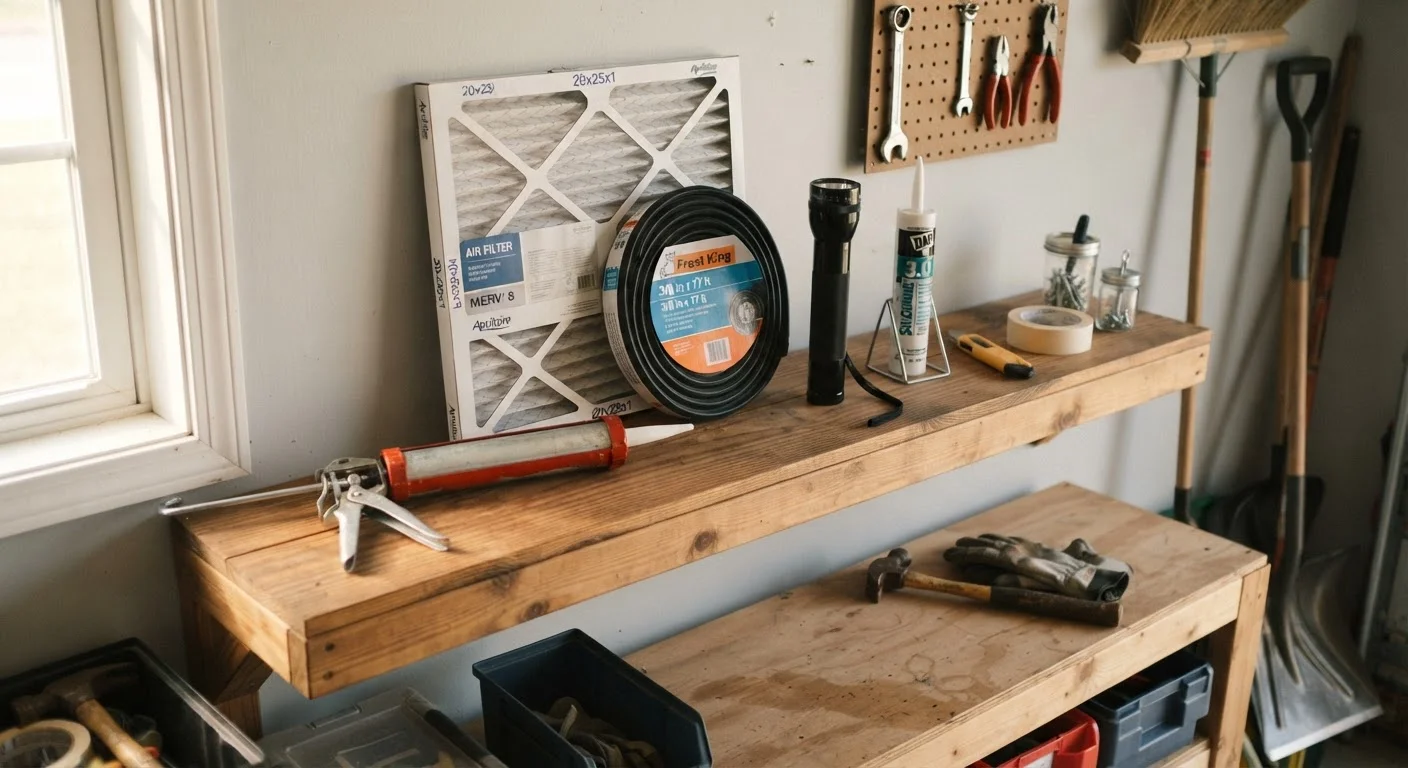
Photo: ReadersChronicle.com | Your Comprehensive Learning Destination editorial
—— In This Article
Key Takeaways
- Several of the most impactful home maintenance tasks cost under $20 and take less than an hour.
- Preventive maintenance stops minor issues from compounding into major structural or system failures.
- Consistent attention to seals, drainage, filters, and fasteners protects both your home's longevity and resale value.
- Many tasks can be done safely as DIY, but some require a licensed professional - know the difference.
- Building a regular maintenance rhythm is more effective than sporadic, reactive repairs.
Small Tasks, Big Protection
Most homeowners think of serious repairs as unavoidable expenses - a roof leak, a failed water heater, a cracked foundation. What's less obvious is how often those failures trace back to skipped basics. A clogged gutter overflows onto a foundation. A drafty door seal drives up energy costs and invites moisture. A neglected HVAC filter strains the system until it gives out years early.
The good news: the maintenance tasks with the highest return on home longevity are not complicated or expensive. They require time, consistency, and a basic understanding of what to look for. For homeowners building their routine from scratch, our first-year homeownership guide offers a useful starting framework. The list below focuses specifically on low-cost actions that deliver outsized protection.
Clean and inspect gutters twice a year
Gutters do one job: move water away from your home's foundation, siding, and roof edge. When they're clogged with leaves and debris, that water pools and infiltrates. Over time, this leads to foundation erosion, basement moisture, and rotted fascia boards - repairs that run into the thousands.
Cleaning gutters twice a year (typically spring and fall) costs nothing beyond a ladder and gloves. While you're up there, check that downspouts extend at least four to six feet from the foundation and that water flows freely. This is one of the highest-leverage habits a homeowner can build.
Clogged gutters are one of the most common causes of preventable foundation and basement water damage.
Replace HVAC filters on schedule
A standard 1-inch HVAC filter typically costs between $5 and $15 and should be replaced every one to three months depending on household conditions - more frequently if you have pets or anyone with allergies. A clogged filter restricts airflow, forcing the system to work harder, which shortens its lifespan and raises energy bills.
Beyond efficiency, a clean filter traps dust, allergens, and debris before they circulate through your living space. This single task protects a piece of equipment that can cost $3,000-$7,000 or more to replace.
A $10 filter changed on schedule can add years to an HVAC system's life.
Recaulk around tubs, sinks, and windows
Caulk is your home's frontline defense against water intrusion. When it cracks or shrinks - which it does naturally over time - moisture finds its way into walls, subfloors, and framing. By the time visible damage appears, the underlying rot or mold may already be extensive.
A tube of caulk costs a few dollars. Removing old caulk with a utility knife, cleaning the surface, and applying a fresh bead is a task most homeowners can handle in under an hour. Focus on bathroom tubs, sink edges, window frames, and exterior door frames where movement and moisture exposure are greatest.
Cracked caulk is one of the most overlooked entry points for moisture damage inside walls.
Test and replace smoke and CO detector batteries
Smoke and carbon monoxide detectors are life-safety devices, and a detector with a dead battery provides no protection at all. Most manufacturers recommend testing detectors monthly and replacing batteries annually - or immediately when a low-battery chirp occurs. The detectors themselves should be replaced every 8-10 years.
This task costs almost nothing and takes minutes. It also has direct implications for homeowners insurance coverage in certain situations. Check your detector's manufacture date, which is printed on the back or inside the unit.
A detector with a dead battery offers zero protection - testing takes less than two minutes.
Check weatherstripping on exterior doors
Weatherstripping seals the gap between a door and its frame, blocking drafts, moisture, and insects. Over time it compresses or tears, and even a small gap can noticeably increase heating and cooling costs. If you can see daylight around a closed door, the seal has failed.
Replacement weatherstripping is inexpensive - typically $10-$20 for a door - and requires no special tools. Foam tape, door sweeps, and V-strip options are all available at hardware stores. Addressing this once a year, especially before winter, pays back quickly in reduced energy costs.
A visible gap under an exterior door can quietly add meaningfully to monthly heating bills.
Flush the water heater's sediment annually
Sediment - primarily mineral deposits from hard water - accumulates at the bottom of a conventional tank water heater over time. This buildup insulates the water from the heating element, forcing the unit to run longer and hotter to compensate. The result is higher energy use and a shorter equipment lifespan.
Flushing the tank once a year involves connecting a hose to the drain valve and letting several gallons run out until the water runs clear. The process typically takes 20-30 minutes. Always follow the manufacturer's instructions and allow the tank to cool before draining. If you're uncomfortable with the process, a plumber can perform it during a routine visit. This one task can meaningfully extend the life of a unit that costs $1,000 or more to replace.
Annual flushing removes sediment that silently cuts water heater efficiency and lifespan.
Turning These Tasks Into a Habit
The most valuable thing about these tasks isn't any one of them individually - it's doing them consistently. A single caulk repair won't transform a home, but catching moisture entry points every year compounds into decades of structural health. Our quarterly home maintenance checklist can help you slot these tasks into a regular rhythm so nothing falls through the cracks.
Create a simple home maintenance log
A basic notebook or spreadsheet tracking what you checked, what you found, and when you last completed each task removes the guesswork from maintenance. It's also useful documentation if you ever sell your home, as it demonstrates a pattern of consistent upkeep. Review the log at the start of each season and add any new concerns as you notice them.
If you're unsure whether a specific repair is safe to handle yourself, the DIY vs. hiring a pro guide lays out a practical framework for making that call. And if you want to understand what's at stake when maintenance gets skipped, our article on deferred maintenance explains how small neglect compounds quickly into large costs.

Home Editorial Team
Home Editorial Team is the collective byline for our editorial team and contributor network. Articles published under this byline or an editorial pen name are researched, written, and reviewed according to our editorial standards for clarity, consistency, and independence before publication.
View author profile