
Deferred Maintenance: What Happens When You Put Off Small Home Repairs
Skipping small repairs rarely saves money. Understand how deferred maintenance compounds over time and which issues escalate fastest.
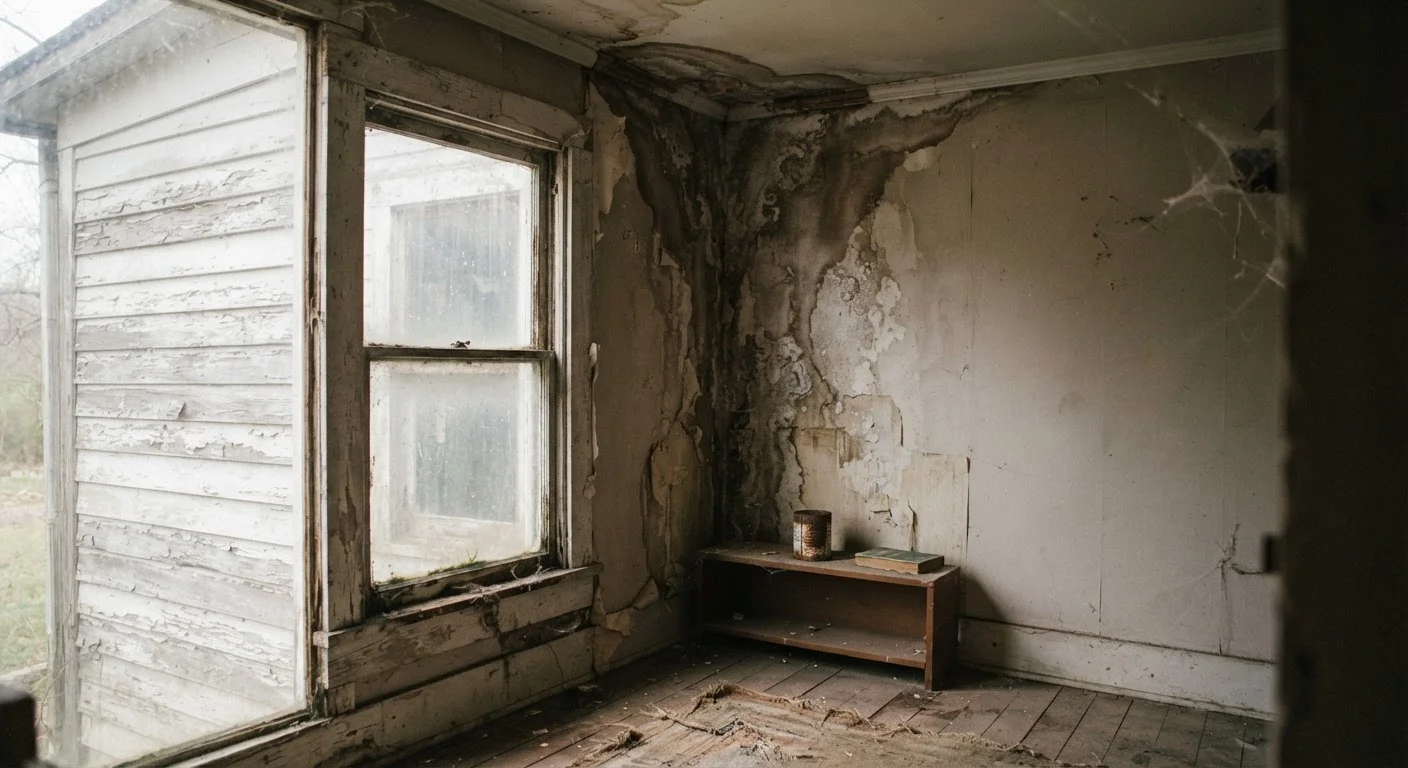
Photo: ReadersChronicle.com | Your Comprehensive Learning Destination editorial
—— In This Article
Key Takeaways
- Small, neglected repairs almost always grow into larger, costlier ones over time.
- Water intrusion is the fastest-escalating category of deferred maintenance.
- Routine maintenance tasks often cost a fraction of the emergency repairs they prevent.
- Deferred maintenance can reduce your home's resale value and complicate future financing.
- A simple seasonal inspection habit can catch most problems before they compound.
Why Small Problems Rarely Stay Small
Most homeowners intend to fix things - eventually. A loose gutter bracket, a hairline crack in the driveway, a slightly sticky door that won't close square. Each seems trivial in isolation. The problem is that homes are interconnected systems, and a small failure in one place creates conditions for larger failures nearby.
Think of it like a slow leak under a kitchen sink. The leak itself might cost a plumber less than an hour's labor to fix. But left for six months, that moisture warps the cabinet floor, promotes mold growth inside the cabinet, and can eventually compromise the subfloor underneath - turning a modest repair into a multi-trade project. This compounding effect is the central danger of deferred maintenance.
It also mirrors a financial dynamic that budget-conscious homeowners already understand: paying only the minimum on a debt keeps the balance current but lets the underlying cost grow. Deferring maintenance is the home-equity equivalent - you avoid today's bill at the cost of a larger one tomorrow.
1%-4%
Recommended annual maintenance budget as % of home value
A widely cited rule of thumb among housing advisers suggests setting aside 1-4% of a home's value annually for maintenance and repairs, with older homes often requiring the higher end.
3x-10x
Typical cost multiplier when repairs are deferred
Home repair professionals commonly note that deferred maintenance repairs can cost several times more than the original fix would have - exact multiples vary widely by repair type and delay duration.
~$3,000
Median emergency home repair cost reported by homeowners
Survey data from housing research organizations has found that unexpected emergency home repairs frequently land in the low thousands, underscoring why prevention matters for budget-conscious households.
The Fastest-Escalating Categories
Not all neglected repairs escalate at the same rate. Understanding which categories compound quickest helps homeowners prioritize when resources are limited.
Water Intrusion
Water is the single most destructive force in residential construction. A failed roof shingle, a cracked window sill, or clogged gutters that overflow against the foundation can allow moisture into framing, insulation, and drywall. Structural rot and mold can establish themselves within weeks of sustained exposure. Remediation costs rise steeply once mold spreads beyond a contained area, and structural repairs can require licensed contractors and permits. See what typically requires a permit before beginning repair work.
HVAC Neglect
A clogged air filter strains a furnace or air handler, shortening equipment life. Skipping annual servicing can let small issues - a worn belt, a dirty burner - develop into a full system failure, often at the worst possible time. A service call is significantly less expensive than emergency replacement.
Pest Entry Points
Gaps in exterior caulk, cracks in the foundation, or deteriorating door sweeps give insects and rodents a way in. Once established, infestations require professional extermination and often repairs to the areas where pests nested or chewed through insulation and wiring.
Start With a Seasonal Walk-Around
Twice a year, walk your home's perimeter and check the roof from the ground, inspect gutters, test exterior caulking by pressing it with your finger, and look for signs of moisture in the basement or crawl space. Catching a problem at this stage - before it shows up as a stain, a smell, or a structural issue - is when repairs are fastest and cheapest.
The Real Cost Comparison
Concrete numbers vary by region and by the severity of damage, so treat these as illustrative ranges rather than guarantees. That said, the pattern is consistent across home repair categories: early intervention costs a fraction of delayed intervention.
Resealing a drafty window with fresh caulk is a task most homeowners can accomplish for the cost of a caulk tube and an hour of time. Replacing a window frame rotted from years of moisture intrusion involves a licensed installer, materials, and potential interior drywall repair - a dramatically different budget conversation. The maintenance tasks with the highest return on home longevity are often exactly these kinds of small, cheap preventive actions.
It's also worth recognizing what deferred maintenance costs beyond the repair bill. Homes with visible neglect appraise lower, can be harder to insure at favorable terms, and often face buyer negotiation pressure at resale. A pattern of deferred upkeep signals risk to every party who evaluates the property.
Building a Habit That Prevents the Backlog
The antidote to deferred maintenance isn't a single weekend blitz - it's a sustainable routine. Twice-yearly walkthroughs (spring and fall work well for most US climates) let homeowners catch problems at their earliest, cheapest stage. A simple checklist approach - roof visible from the ground, gutters, caulking at windows and doors, basement for moisture, HVAC filter - covers the highest-risk areas without requiring specialized knowledge.
When you do spot a problem, the next decision is whether it's a safe DIY fix or one that needs a professional. Knowing that boundary prevents two common mistakes: attempting repairs beyond your skill level, and paying for professional help on tasks that are genuinely simple. And if you're new to homeownership and building these habits from scratch, a structured first-year maintenance routine can provide a solid foundation.
Finally, be skeptical of shortcuts. Some popular beliefs about home repair - like assuming a visual patch fixes a moisture problem - can actually make deferred maintenance worse by masking damage. Common maintenance myths are worth understanding before you start.
“A home is a system, not a collection of isolated parts. When one element is allowed to fail, it rarely fails alone - it almost always pulls something adjacent with it.”
— Home Editorial Team, Editorial perspective based on widely documented patterns in residential maintenance
Frequently Asked Questions

Home Editorial Team
Home Editorial Team is the collective byline for our editorial team and contributor network. Articles published under this byline or an editorial pen name are researched, written, and reviewed according to our editorial standards for clarity, consistency, and independence before publication.
View author profile