
Home Repair Myths That Cost Homeowners Real Money
From 'WD-40 fixes everything' to 'painting over mold kills it' — common home repair beliefs that are wrong and potentially costly.
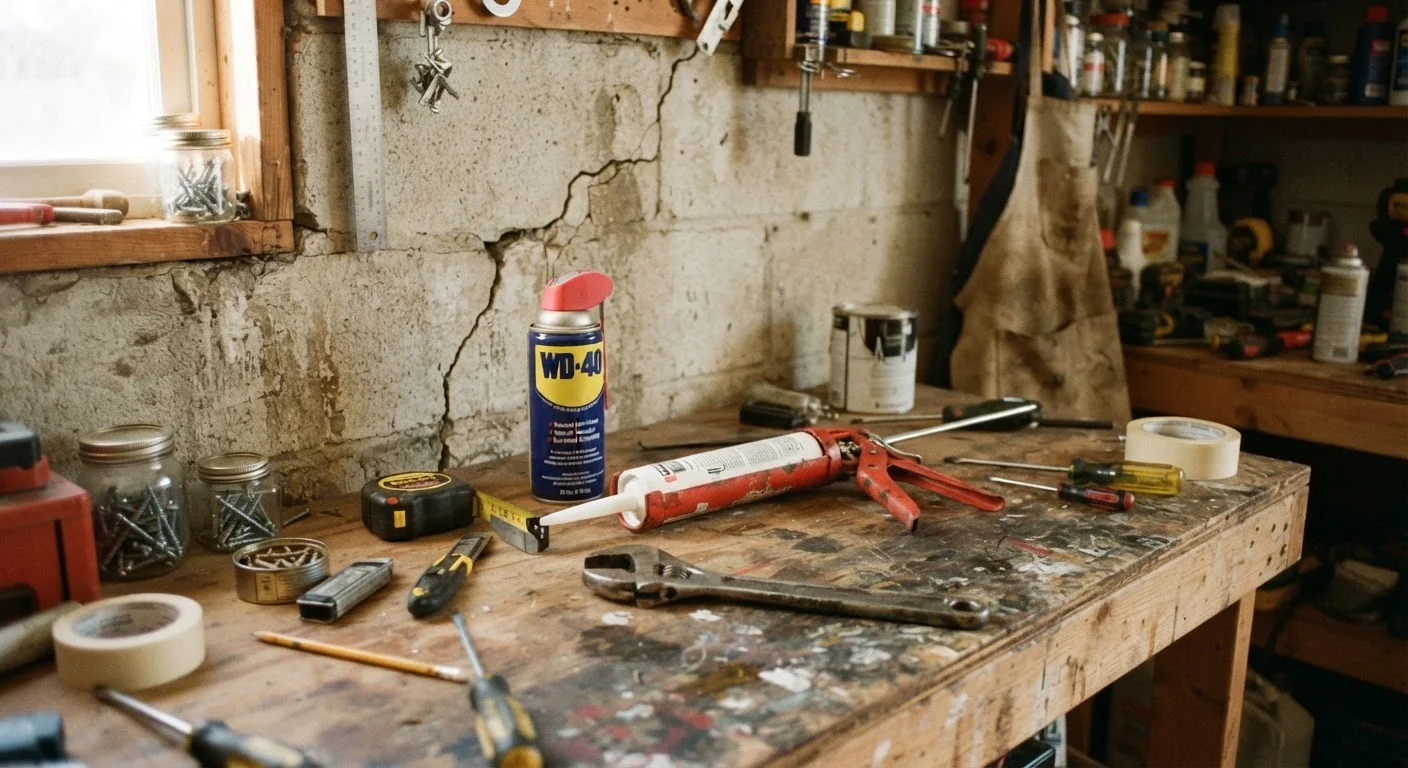
Photo: ReadersChronicle.com | Your Comprehensive Learning Destination editorial
—— In This Article
Key Takeaways
- Painting over mold does not kill it - mold must be fully remediated before any surface is repainted.
- WD-40 is a water displacer, not a lubricant, and can worsen some mechanical problems over time.
- Caulking gaps without addressing underlying moisture or structural causes leads to repeat failures.
- Skipping permits on repairs can affect insurance coverage and resale value, not just trigger fines.
- Small leaks and minor cracks rarely stay small - prompt repairs almost always cost less than delayed ones.
Why Home Repair Myths Are Expensive
Most home repair myths don't start as bad advice - they start as shortcuts that worked once, or tips passed down before better materials and methods existed. The problem is that acting on outdated or incorrect information rarely saves money. It usually defers costs while making the underlying problem worse.
This article corrects some of the most persistent misconceptions, so you can spend your repair budget where it actually counts. For a broader look at upkeep mistakes, see our guide to home maintenance myths that homeowners repeat year after year.
Myth
Painting over mold kills it and solves the problem.
Fact
Paint - even mold-resistant paint - does not kill mold. It seals it temporarily, allowing growth to continue beneath the surface.
Mold needs to be physically removed and the moisture source eliminated before any painting takes place. Applying paint over active mold typically causes the paint to bubble and peel within months while the mold colony keeps growing. In bathrooms and basements especially, this approach can allow mold to spread into drywall and framing, turning a small remediation job into a significant one. If visible mold covers more than about 10 square feet, the EPA generally recommends consulting a remediation professional.
Myth
WD-40 fixes squeaky hinges and lubricates just about anything.
Fact
WD-40 is primarily a water displacer and light solvent, not a durable lubricant. It can actually attract dust and gum up moving parts over time.
The product name stands for 'Water Displacement, 40th formula' - which tells you what it was designed to do. For squeaky door hinges, sticky locks, or garage door tracks, a dedicated lubricant such as a silicone spray or white lithium grease lasts far longer and won't degrade the mechanism. Using WD-40 on bicycle chains, for example, strips existing grease and requires frequent reapplication. Keep WD-40 in your toolbox for loosening rusted bolts and displacing moisture after a water intrusion - that's where it genuinely earns its place.
Myth
If a toilet runs occasionally, it's not wasting much water.
Fact
A running toilet can waste 200 gallons of water per day or more, depending on which internal component has failed.
That adds up to thousands of gallons monthly - and a noticeably higher water bill. The good news is that most running toilets are caused by a worn flapper, a faulty fill valve, or a misadjusted float arm - all relatively inexpensive parts. Our guide to the three components most likely to blame covers how to diagnose which part is failing before you buy anything.
Myth
Caulking a gap or crack is a permanent repair.
Fact
Caulk is a sealant, not a structural fix. It will eventually shrink, crack, or pull away - especially if the underlying cause (movement, moisture, temperature cycling) isn't resolved.
Caulk does an important job sealing drafts and preventing water intrusion, but it needs to be matched to the application (interior vs. exterior, paintable vs. silicone) and replaced periodically. Applying caulk over an active moisture problem - such as a gap around a window where flashing is failing - just redirects water rather than stopping it. Inspect caulked joints annually, especially around windows, tubs, and exterior penetrations, and re-apply when cracking or shrinkage appears.
Myth
Pressure washing your siding is always safe and always helps.
Fact
Pressure washing can force water behind siding, damage wood, strip paint, and void manufacturer warranties if done incorrectly.
High pressure and incorrect nozzle angles are the main culprits. Vinyl and fiber-cement siding have specific pressure and distance requirements; wood siding is particularly vulnerable. Our full guide on pressure washing trade-offs covers how to approach exterior cleaning without creating a bigger problem. When in doubt, a lower-pressure setting and downstream soap application are safer starting points than maximum pressure.
When 'Good Enough' Repairs Become Bigger Problems
Several myths cluster around the idea that a cosmetic fix equals a real fix. Painting over a stain, caulking a gap, or tightening a visible bolt can feel like resolution - but if the root cause isn't addressed, the symptom returns, often worse.
Cosmetic Fixes Don't Equal Real Fixes
Covering up symptoms - painting over stains, caulking visible cracks, patching ceiling spots - without addressing the underlying cause almost always leads to a larger, more expensive repair later. Before reaching for the paint brush or caulk gun, spend a few minutes tracing the problem to its source. If you can't identify the cause confidently, that's a signal to consult a professional before the issue compounds.
A small roof leak is a good example: homeowners who patch a ceiling stain without tracing the water source back to the roof or flashing often find the damage has spread to insulation and framing by the next rainy season. The cost of deferred maintenance compounds faster than most people expect.
200+ gal/day
Water wasted by a single running toilet
According to the U.S. Environmental Protection Agency, a leaking or running toilet is among the most common sources of household water waste.
1 in 3
Homeowners who delay minor repairs
Industry surveys consistently find that a significant share of homeowners postpone small repairs, often underestimating how quickly costs escalate.
Not every repair requires a professional, but knowing which ones do is critical. Our DIY vs. hiring a pro guide walks through a practical framework for making that call. And if you're wondering whether your project requires a permit, skipping that step carries real risks that go beyond the inspection fine.

Home Editorial Team
Home Editorial Team is the collective byline for our editorial team and contributor network. Articles published under this byline or an editorial pen name are researched, written, and reviewed according to our editorial standards for clarity, consistency, and independence before publication.
View author profile