
What Homeowners Should Know Before Their First Electrical Project
A grounded introduction to home electrical basics — what's safe for a DIYer, what requires a licensed electrician, and why the distinction matters.
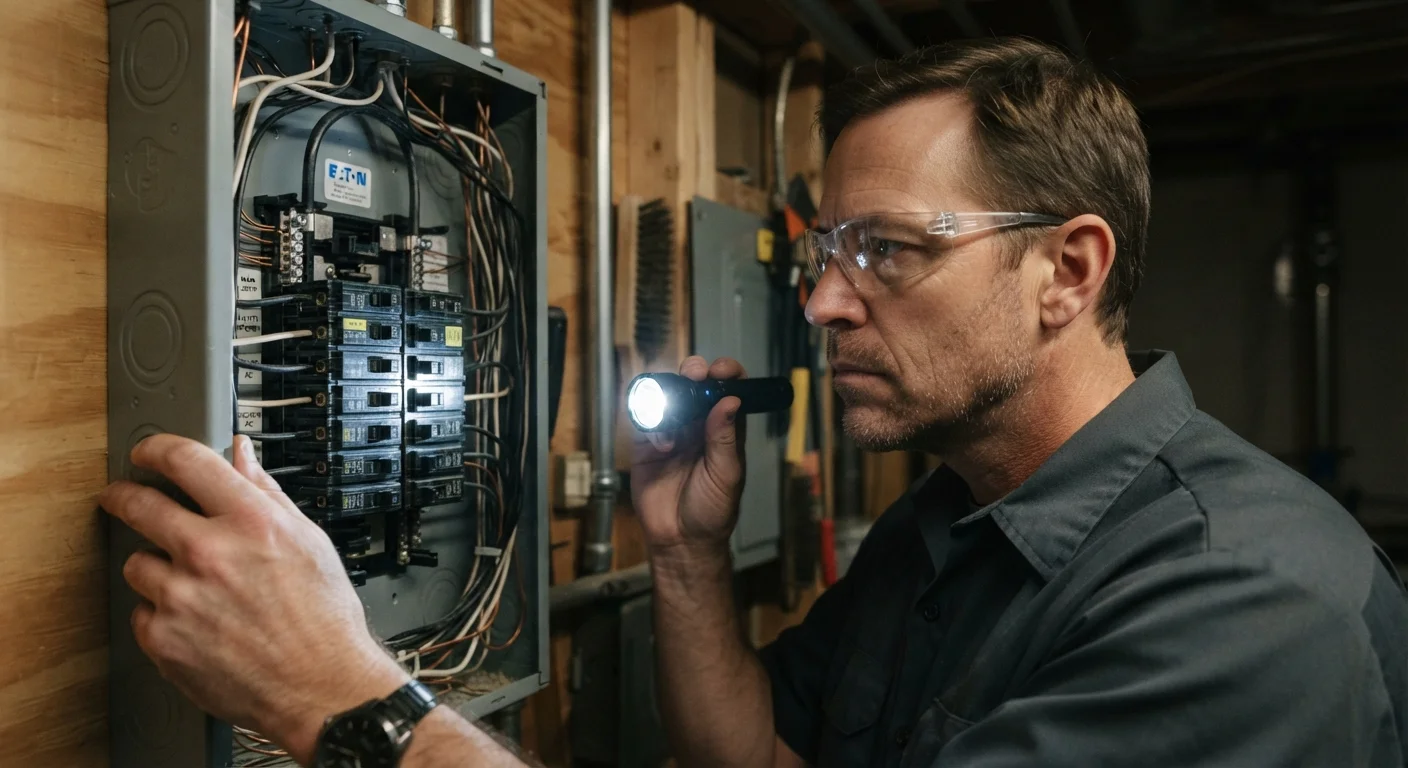
Photo: ReadersChronicle.com | Your Comprehensive Learning Destination editorial
—— In This Article
Key Takeaways
- Always shut off power at the breaker and verify it's off with a non-contact voltage tester before touching any wiring.
- Simple tasks like replacing outlets, switches, and light fixtures are generally within a careful DIYer's reach.
- Work involving your main panel, new circuits, or in-wall wiring typically requires a licensed electrician and a permit.
- Local building codes and permit requirements vary - check with your municipality before starting any electrical work.
- Unpermitted electrical work can void insurance coverage and create problems when you sell your home.
Understanding Your Home's Electrical System
Your home's electrical system works by delivering power from the utility line to your main service panel - commonly called the breaker box - and distributing it through circuits to every outlet, switch, and fixture. Each circuit is protected by a circuit breaker, a switch-like device that automatically trips off when a circuit is overloaded, preventing overheating and fire.
Circuit breaker
A safety switch inside your electrical panel that automatically shuts off power to a circuit when it detects an overload or fault, preventing overheating and fire.
GFCI outlet
A ground fault circuit interrupter outlet that shuts off power within milliseconds if it detects electricity flowing along an unintended path - such as through a person. Required in wet or damp locations.
Service panel
The main breaker box where utility power enters your home and is distributed to individual circuits throughout the house. Sometimes called the breaker box or electrical panel.
Non-contact voltage tester
An inexpensive handheld tool that detects the presence of electrical current without touching a wire. It's the essential first step before working on any electrical component.
National Electrical Code (NEC)
The U.S. baseline standard for safe electrical installation and wiring, updated periodically and adopted (with local amendments) by most state and local jurisdictions.
Circuit
A closed loop that carries electricity from the panel to a group of outlets, switches, or fixtures and back again. Each circuit has its own breaker to protect it.
Most homes in the U.S. run on 120-volt circuits for everyday outlets and 240-volt circuits for large appliances like dryers and ranges. Understanding this basic layout helps you know which tasks are bounded and low-risk versus which touch the parts of the system where mistakes have serious consequences.
What DIYers Can Safely Do
A number of electrical tasks are generally within reach for a careful, informed homeowner - provided you verify power is off before you begin and follow the instructions that come with every device you install.
- Replacing outlets and switches on existing circuits, like for like
- Swapping a light fixture on an existing ceiling box
- Installing a ceiling fan on an existing fan-rated ceiling box
- Replacing a standard outlet with a GFCI outlet in required locations
- Resetting a tripped breaker or replacing a blown fuse in an older fuse box
The common thread: these tasks involve working within an already-wired, already-permitted circuit without adding new wire runs or altering the panel. For a broader view of which home tasks belong in the DIY column, see our guide on DIY vs. hiring a pro.
Always Test - Never Assume
Even after flipping a breaker, use a non-contact voltage tester at the outlet or switch before touching any wires. Breakers are sometimes mislabeled, and a quick test costs you seconds but could save your life. These testers are widely available and inexpensive - every homeowner doing any electrical work should own one.
When You Must Call a Licensed Electrician
Some electrical work crosses into territory where the risks - fire, electrocution, failed inspections - make professional involvement not just advisable but typically required by law. These include:
- Adding or relocating circuits in your main panel
- Running new wiring through walls, ceilings, or floors
- Upgrading your service panel or electrical service capacity
- Installing a subpanel or whole-home generator connection
- Any work near your main service entrance (the point where utility power enters your home)
- Rewiring an older home with knob-and-tube or aluminum wiring
If your home has outdated wiring systems, the stakes of getting it wrong are especially high. Pair any major electrical project with a review of your home safety devices - smoke detectors, CO alarms, and fire extinguishers are your last line of defense if something goes wrong.
Never Work on Your Main Panel Yourself
The main service panel contains wires that remain live even when individual breakers are turned off - the only way to de-energize them is through the utility company. Opening or modifying the panel without professional training and proper equipment creates a genuine risk of electrocution. This is one area where hiring a licensed electrician is non-negotiable.
Permits, Codes, and Inspections
The National Electrical Code (NEC) sets baseline safety standards for electrical installations across the U.S., but local jurisdictions adopt, amend, and enforce it - so requirements vary by city and county. Before starting any project beyond a straight fixture swap, call your local building department or check their website to find out what requires a permit.
Permits exist to protect you: a licensed inspector will review the work and confirm it meets safety standards before you close up walls or energize a new circuit. Skipping a required permit can result in fines, required tear-out, complications when selling the home, and potential insurance issues. Think of a permit as cheap insurance against much larger problems.
If you're planning electrical work as part of a larger renovation, sequencing matters. Planning improvements in the right order can prevent you from finishing a wall only to open it again for an inspector.
Before You Touch a Single Wire
Regardless of how simple the task looks, these steps belong at the start of every electrical project:
- Identify and shut off the correct breaker. Label it if it isn't already. Don't rely on memory.
- Test with a non-contact voltage tester. This inexpensive tool glows or beeps when it detects live current - it's the only reliable way to confirm power is off at the device you're working on.
- Tape the breaker in the off position or hang a note on the panel so no one resets it while you're working.
- Read the instructions for any new device before you begin. Wiring diagrams and terminal labels differ between products.
- Know when to stop. If you open a box and find wiring that looks charred, unfamiliar, or more complex than expected, stop and call a professional.
New homeowners building their maintenance habits will find this kind of deliberate, safety-first approach pays off across many projects. Building a maintenance routine from scratch is a good companion read as you get started.
This article provides general educational information about home electrical systems. It is not a substitute for professional electrical advice, local code guidance, or the judgment of a licensed electrician. Always verify permit and safety requirements with your local building authority before beginning any electrical work.
Frequently Asked Questions

Home Editorial Team
Home Editorial Team is the collective byline for our editorial team and contributor network. Articles published under this byline or an editorial pen name are researched, written, and reviewed according to our editorial standards for clarity, consistency, and independence before publication.
View author profile