
Tending a Thriving Garden Without Overcomplicating It
Consistent, straightforward habits — mulching, observing, timing — do more for a garden than expensive products or elaborate techniques.
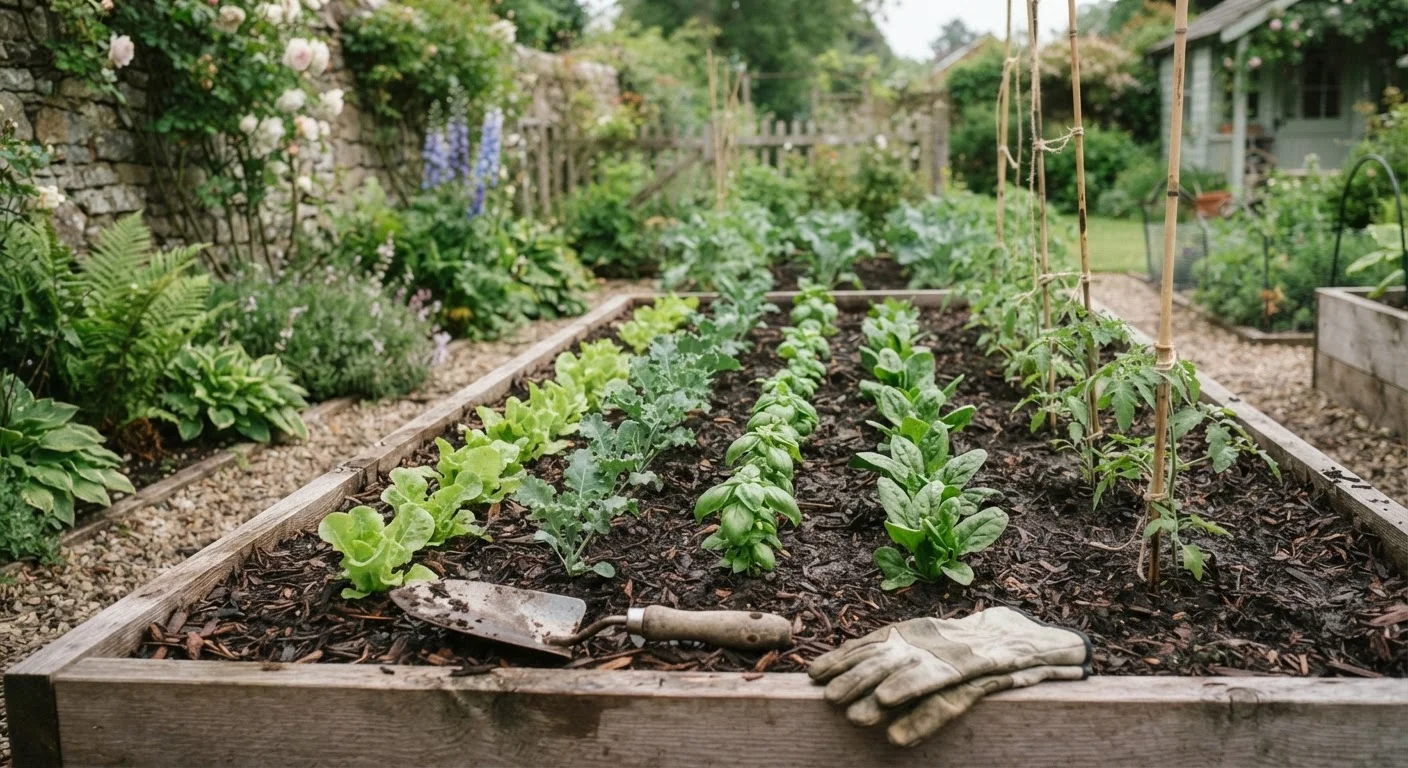
Photo: ReadersChronicle.com | Your Comprehensive Learning Destination editorial
—— In This Article
Key Takeaways
- Consistent observation habits help you catch pest, disease, and watering problems before they escalate.
- Mulching is one of the highest-value, lowest-cost practices any beginner can adopt immediately.
- Timing tasks like watering and planting to match your local conditions outperforms expensive products.
- Healthy soil is the foundation of a productive garden - compost and organic matter cost little.
- Simplifying your plant choices reduces maintenance load and improves your odds of success.
Why Simple Habits Beat Expensive Products
Walk into any garden center and you'll find shelves of specialized sprays, fertilizers, and gadgets promising lush results. For budget-conscious beginners, this can feel overwhelming - and expensive. The good news is that experienced gardeners consistently report the same truth: consistent, low-cost habits outperform product-heavy approaches every time.
The practices that actually move the needle - observing your plants regularly, watering at the right time, feeding soil rather than just plants - cost little or nothing. They just require attention and repetition. This guide focuses on exactly those habits, so you can build a thriving garden without overextending your budget or your weekends. For a primer on which physical tools are actually worth owning, see our guide to budget-friendly beginner tools.
Mulch every bed at the start of each growing season
A 2-3 inch layer of organic mulch - shredded leaves, straw, or wood chips - dramatically reduces water evaporation, suppresses weeds, and gradually improves soil as it breaks down. This single habit can cut watering frequency and weeding time significantly, saving both effort and money throughout the season.
Water deeply and less frequently rather than a little every day
Shallow, frequent watering encourages roots to stay near the surface, making plants more vulnerable to heat and drought. Deep, infrequent watering drives roots downward, building resilience. Morning is the best time - foliage dries before evening, reducing disease risk.
Spend five minutes each week observing plants up close
Regular, unhurried observation lets you spot yellowing leaves, pest damage, or mildew before minor issues become serious. Problems caught early are almost always cheaper and easier to address than those left to develop.
Match plant choices to your actual conditions, not your wishlist
Planting vegetables or flowers suited to your local climate, sun exposure, and soil type dramatically reduces maintenance and the likelihood of failure. Plants growing in suitable conditions need less intervention - less supplemental watering, fewer pest treatments, and less troubleshooting.
Feed your soil, not just your plants
Adding compost or aged organic matter builds long-term soil structure, microbial activity, and nutrient availability. This approach pays dividends year after year, unlike synthetic fertilizers that address immediate deficiencies without improving the underlying soil.
The Core Practices Worth Building Into Your Routine
The following habits form a reliable foundation regardless of whether you're working with a small raised bed, containers on a balcony, or an in-ground plot. None require specialized knowledge to begin - just regularity.
If you're still deciding on your setup, our comparison of raised beds versus in-ground planting can help you weigh the trade-offs before committing.
Building Soil Health on a Budget
Most garden problems - poor yield, pest pressure, wilting - trace back to soil quality. Improving your soil doesn't require bagged amendments from a store. Composting kitchen and garden scraps is genuinely free once you set up a simple system, and the results rival commercial fertilizers for many home gardens. Our complete guide to home composting walks through what to add, what to avoid, and how to troubleshoot common issues.
It's also worth separating gardening folklore from evidence-based practice. Many popular tips - like adding gravel to the bottom of pots or spreading coffee grounds broadly - don't hold up under scrutiny and can actually cause problems. Our article on common gardening myths covers these in detail, so you're not wasting effort on approaches that don't work.
Soil Testing Is Worth Knowing About
If your plants consistently underperform despite good practices, a basic soil test can reveal pH imbalances or nutrient deficiencies that mulching and compost alone won't fix. Many US cooperative extension offices offer low-cost or free soil testing services. A soil test result gives you specific, actionable information rather than guesswork - and helps you avoid buying amendments you don't actually need.
For those gardening in containers, soil management looks a bit different - pots dry out faster and nutrients deplete more quickly. Our honest look at container gardening trade-offs addresses these challenges directly. And if you're working with a food garden specifically, starting a vegetable garden on a tight budget offers practical strategies for maximizing a productive harvest without overspending.

Home Editorial Team
Home Editorial Team is the collective byline for our editorial team and contributor network. Articles published under this byline or an editorial pen name are researched, written, and reviewed according to our editorial standards for clarity, consistency, and independence before publication.
View author profile