
Container Gardening: What Works, What Doesn't, and Why
Pots and planters open up gardening to renters and small spaces, but they come with real trade-offs. Here's an honest look at both sides.
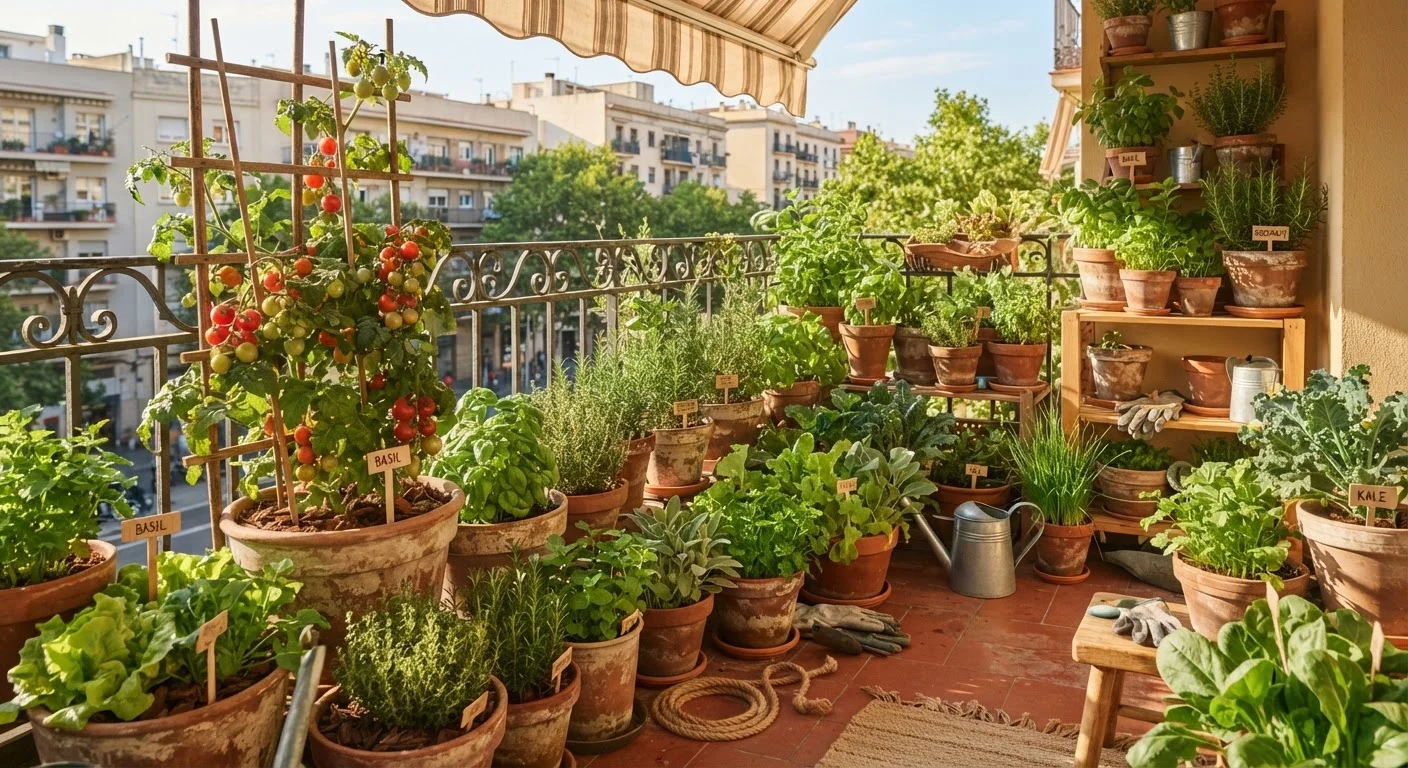
Photo: ReadersChronicle.com | Your Comprehensive Learning Destination editorial
—— In This Article
Key Takeaways
- Containers work well for herbs, lettuce, and compact vegetables but struggle with large root crops.
- Potting mix - not garden soil - is essential for healthy container plants; drainage determines success.
- Containers dry out faster than ground soil, requiring more frequent watering, especially in summer heat.
- Renters and small-space gardeners gain real flexibility from containers that in-ground beds can't offer.
- Ongoing costs for soil, fertilizer, and containers add up; plan your budget before scaling up.
Accessible without yard or ground space
Balconies, patios, rooftops, and windowsills all support container gardens, making growing possible for renters and urban dwellers who have no soil to work with.
Full control over soil quality from day one
You fill containers with the mix you choose, bypassing rocky, compacted, or contaminated ground soil that can take years to improve.
Easy to move and rearrange
Containers can follow the sun across a patio, be brought indoors before frost, or be reorganized as your space or priorities change.
Lower risk for total crop loss
If one container fails - from pests, disease, or bad weather - it doesn't affect adjacent pots, unlike a connected ground bed where problems can spread more easily.
Faster soil warm-up in spring
Pots warm up more quickly than in-ground soil, which can allow earlier planting of warm-season crops in cooler climates.
Dries out much faster than ground soil
Container soil can lose moisture within 24 hours in summer heat, requiring daily or even twice-daily watering during peak season - a real commitment for busy schedules.
Nutrients deplete quickly and must be replaced
Each watering flushes minerals through drainage holes, so container plants need regular fertilizing - typically every one to two weeks - to stay productive through the season.
Not suitable for all vegetables
Deep-rooted crops like carrots, parsnips, and sweet potatoes need more depth than most practical containers offer, limiting which vegetables you can grow successfully.
Ongoing costs accumulate over time
Potting mix, fertilizer, and replacement containers represent recurring expenses that in-ground gardeners largely avoid after initial soil preparation.
Vulnerable to temperature extremes
Container roots are exposed on all sides and can freeze or overheat more rapidly than ground-planted roots, putting plants at risk during unexpected cold snaps or heat waves.
Why Containers Appeal to Budget-Conscious Beginners
Container gardening removes several barriers that stop people from starting. You don't need to own land, till a plot, or deal with compacted clay soil. A few pots on a balcony, stoop, or windowsill can get you growing within a single afternoon.
The startup cost can be low if you're strategic. Repurposed buckets, wooden crates, and even deep colanders can substitute for expensive planters. What you can't skip is quality potting mix - the single most important material decision you'll make. See our guide to garden soil vs. potting mix to understand why bagged potting mix is non-negotiable in containers while garden soil will compact and suffocate roots.
Containers also let you adapt to your specific environment. Move sun-lovers to follow light, bring tender plants indoors before a frost, and arrange your garden around your lifestyle rather than around a fixed plot.
Accessible without yard or ground space
Balconies, patios, rooftops, and windowsills all support container gardens, making growing possible for renters and urban dwellers who have no soil to work with.
Full control over soil quality from day one
You fill containers with the mix you choose, bypassing rocky, compacted, or contaminated ground soil that can take years to improve.
Easy to move and rearrange
Containers can follow the sun across a patio, be brought indoors before frost, or be reorganized as your space or priorities change.
Lower risk for total crop loss
If one container fails - from pests, disease, or bad weather - it doesn't affect adjacent pots, unlike a connected ground bed where problems can spread more easily.
Faster soil warm-up in spring
Pots warm up more quickly than in-ground soil, which can allow earlier planting of warm-season crops in cooler climates.
What Genuinely Works Well in Containers
Certain plants are well-matched to container life. Herbs - basil, parsley, chives, mint - are among the most reliable. Lettuce and salad greens handle shallow pots gracefully. Compact tomato varieties, peppers, and bush beans produce real harvests without demanding enormous root space. Radishes and green onions are quick growers that suit beginners well.
Flowers such as marigolds, nasturtiums, and zinnias thrive in pots and double as pest deterrents near edibles. Strawberries are another natural fit - they prefer contained, well-drained environments over soggy ground.
The practical upside is control. You choose the soil quality from the start, something in-ground gardeners often spend years improving. You also have flexibility: if one arrangement isn't working, you can rearrange without committing to anything permanent. For a broader look at how container growing fits into a minimal-budget approach, starting a vegetable garden on a tight budget offers complementary strategies.
5-10 gal.
Minimum container size for most tomato varieties
University extension programs generally recommend at least a 5-gallon container for compact tomato cultivars, with 10 gallons or more for standard varieties.
2×
How much faster containers dry out vs. ground beds
Container soil surface area and air exposure mean moisture evaporates significantly faster than in-ground plots under comparable conditions, according to general horticultural guidance.
Where Containers Fall Short
Container gardening has real constraints, and glossing over them wastes your time and money. The most significant is water. Pots dry out dramatically faster than ground soil - sometimes within a day during summer heat. Missing waterings by even a short margin can stress or kill plants before you notice.
Large root crops - carrots, potatoes, parsnips - need depth that most containers don't provide. Sprawling plants like cucumbers and squash technically grow in pots but rarely perform as well as they do in ground beds. They'll need substantial containers (often 15-20 gallons), regular fertilizing, and sturdy support structures.
Nutrients are another challenge. Potting mix starts relatively nutrient-poor, and every watering leaches minerals out through drainage holes. Without a consistent fertilizing routine, container plants hit a wall mid-season. Learn more about avoiding common missteps in our article on gardening myths that waste your time and money.
Dries out much faster than ground soil
Container soil can lose moisture within 24 hours in summer heat, requiring daily or even twice-daily watering during peak season - a real commitment for busy schedules.
Nutrients deplete quickly and must be replaced
Each watering flushes minerals through drainage holes, so container plants need regular fertilizing - typically every one to two weeks - to stay productive through the season.
Not suitable for all vegetables
Deep-rooted crops like carrots, parsnips, and sweet potatoes need more depth than most practical containers offer, limiting which vegetables you can grow successfully.
Ongoing costs accumulate over time
Potting mix, fertilizer, and replacement containers represent recurring expenses that in-ground gardeners largely avoid after initial soil preparation.
Vulnerable to temperature extremes
Container roots are exposed on all sides and can freeze or overheat more rapidly than ground-planted roots, putting plants at risk during unexpected cold snaps or heat waves.
Drainage Is Non-Negotiable
Every container needs at least one drainage hole - no exceptions. Without it, water accumulates at the bottom, roots suffocate, and plants decline quickly regardless of how carefully you water. Placing gravel at the bottom of a pot does not substitute for a drainage hole and can actually worsen waterlogging by creating a perched water table within the container. See our article on common gardening myths for more on this widely repeated misconception.
Making Container Gardening Cost-Effective
Containers become expensive quickly if you're not intentional. A single large ceramic pot, a bag of potting mix, and a bottle of liquid fertilizer can exceed the cost of a modest raised bed kit if you scale without a plan. Prioritize a few containers done well over many done poorly.
Reuse potting mix between seasons by refreshing it with compost rather than replacing it entirely. If you're not yet composting, composting at home is a straightforward way to generate free soil amendment year-round. Group pots close together to reduce moisture loss, and use saucers to retain some water without letting roots sit waterlogged.
For tool needs, containers require very little - a hand trowel, a watering can with a gentle rose head, and basic pruning snips cover nearly everything. Our guide to low-cost tools that matter helps you avoid buying equipment you won't use.
If you're comparing container gardening to other growing methods, raised beds vs. in-ground planting provides a useful side-by-side for beginners deciding how to invest their space and budget.

Home Editorial Team
Home Editorial Team is the collective byline for our editorial team and contributor network. Articles published under this byline or an editorial pen name are researched, written, and reviewed according to our editorial standards for clarity, consistency, and independence before publication.
View author profile