
Caulking vs. Weather Stripping: Choosing the Right Air-Sealing Method
Caulking and weather stripping both block drafts, but they serve different gaps. Learn which method fits each situation around your home.
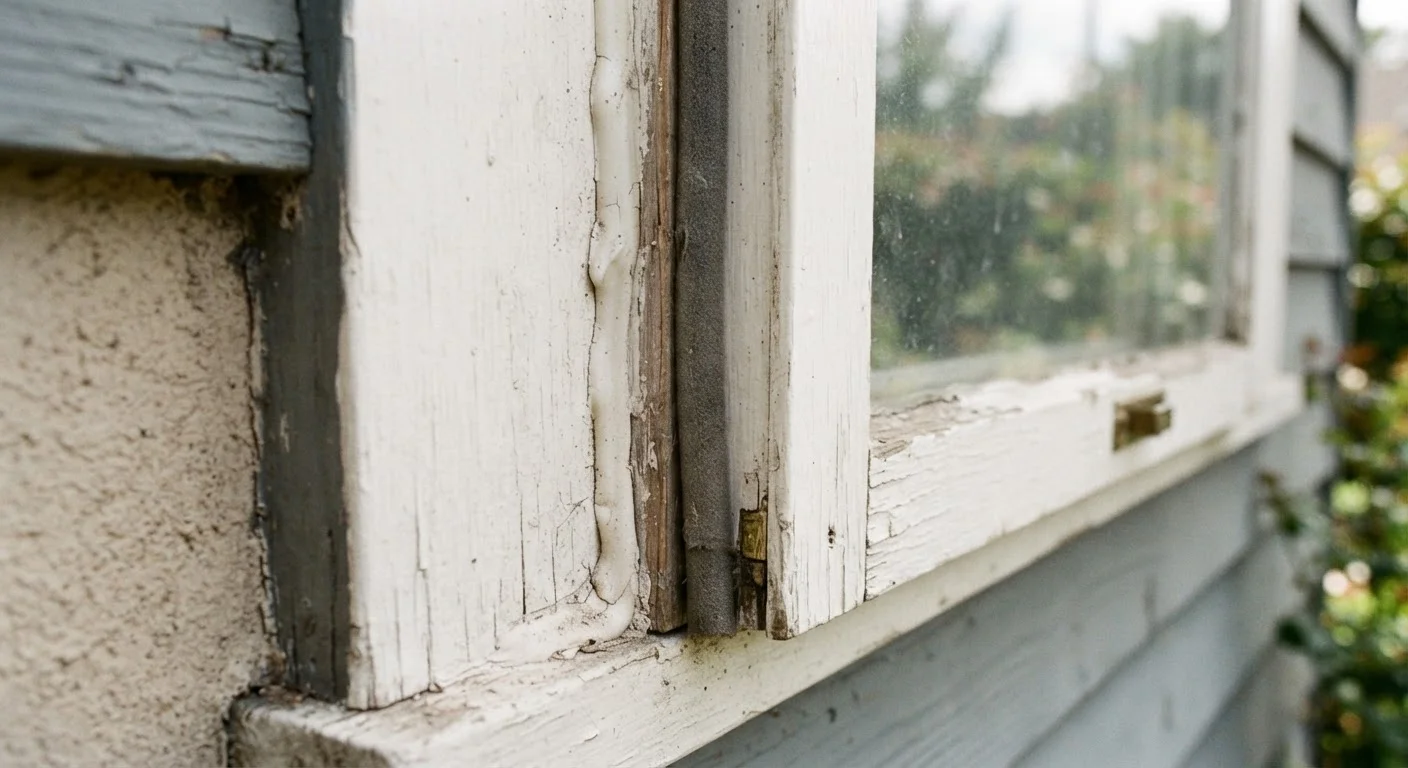
Photo: ReadersChronicle.com | Your Comprehensive Learning Destination editorial
—— In This Article
Key Takeaways
- Caulking works on stationary gaps; weather stripping handles gaps around moving parts like doors and operable windows.
- Using caulk on a moving door edge causes it to crack and fail quickly - choose the right material for the job.
- Both methods are affordable DIY tasks that can noticeably reduce drafts and energy waste.
- Many exterior openings benefit from using both methods together in different zones of the same frame.
- Inspecting seals annually - especially before winter - helps catch failures before they cause bigger problems.
Why the Distinction Matters
Air leaks account for a significant portion of heating and cooling loss in a typical home. Sealing them is one of the most cost-effective maintenance tasks a homeowner can do. The trouble is that two very different products - caulking and weather stripping - are often treated as interchangeable. They are not.
The core difference comes down to movement. Caulk is designed to bond two stationary surfaces together and harden into a permanent flexible bead. Weather stripping is designed to compress against a moving surface, then spring back every time that surface opens. Apply the wrong one, and it fails quickly - sometimes within a single season.
For a closer look at how caulk performs specifically in wet environments, see our guide on caulk in wet areas like tubs and showers. The same principles of adhesion and joint movement apply outdoors.
Where Each Method Belongs
Caulk belongs anywhere two fixed surfaces meet and form a gap. Common locations include:
- The joint between a window frame and exterior siding
- Where interior trim meets a wall or floor
- Gaps around pipes, wires, or vents passing through walls
- The bottom of a door threshold where it meets flooring (on the fixed side)
Weather stripping belongs wherever a surface moves:
- The top and sides of exterior door frames (the door stop - the strip the door closes against)
- The bottom edge of a door, typically using a door sweep
- Operable window sashes - the parts that slide, crank, or tilt open
A single window unit, for example, often needs both: caulk around the exterior frame where it meets the wall, and weather stripping on the moving sash edges. Confusing the two zones is one of the most common mistakes homeowners make.
If you want a practical walkthrough for door sealing specifically, our article on weatherstripping a drafty door without removing the frame covers the process step by step.
| Criterion | Caulking | Weather Stripping |
|---|---|---|
| Best suited for | Fixed, stationary gaps and joints | Moving parts - doors, operable sashes |
| Application method | Gunned or squeezed bead, smoothed in place | Peel-and-stick, nailed, or fitted into channel |
| Durability | 5-10+ years on a clean, stable joint | 2-5 years depending on type and use frequency |
| Common failure mode | Cracks when applied to a moving joint | Compresses permanently; loses spring over time |
| Skill level required | Low - basic caulk gun technique | Low - cutting to length and pressing in place |
| Typical cost | Low; sold by the tube | Low to moderate; sold by the roll or kit |
Choosing and Applying Each Material
Caulk comes in several formulations. Silicone caulk is highly durable and water-resistant, making it well-suited for exterior use and wet areas. Acrylic latex caulk (sometimes called paintable caulk) is easier to tool and clean up, and works well on interior joints where paint coverage matters. When buying caulk for exterior gaps, look for a product rated for outdoor exposure - the packaging will say so clearly.
Proper application matters as much as product choice. A common cause of early failure is applying caulk over a dirty, wet, or painted surface that won't bond. Clean and dry the joint first, apply in one steady pass, and smooth it with a wet fingertip or tool within a few minutes. For a deeper look at why caulk fails prematurely, see why caulk cracks and how to prevent it.
Weather stripping also comes in several types. Foam tape is the easiest to install - peel and stick - but compresses permanently over time and may need replacement every few years. V-strip (tension seal) is a thin folded plastic or metal strip that fits into the channel of a sliding window or door edge; it's more durable and less visible. Door sweeps attach to the bottom of the door itself and drag lightly across the threshold.
25-30%
Heating/cooling loss from air leaks
The U.S. Department of Energy estimates that drafts through gaps and cracks account for roughly 25-30% of a home's heating and cooling energy loss.
$200-$600
Estimated annual savings from sealing and insulating
The EPA's ENERGY STAR program has estimated that homeowners can save noticeably on energy bills by air sealing and adding insulation, though results vary by home size and climate.
Whichever type you choose, measure the gap you're filling before buying. Weather stripping that's too thick can make a door difficult to close; too thin, and it won't seal.
Fitting Air Sealing Into a Broader Home Strategy
Caulking and weather stripping are entry-level air-sealing tasks - affordable, DIY-friendly, and genuinely effective. But they work best as part of a broader approach. Sealing gaps at the door and window level helps, but if your attic has significant air bypasses - gaps around light fixtures, plumbing chases, or top plates - conditioned air will continue to escape through those routes. Our overview of attic insulation and ventilation explains how the attic layer interacts with the rest of the home's envelope.
Similarly, once gaps are sealed, the value of insulation improves. Insulation slows heat transfer through surfaces; air sealing stops the movement of air through gaps. They address different problems and complement each other. For a plain-language comparison of insulation options, see insulation types compared.
When to Call a Professional
Most caulking and weather stripping projects are straightforward DIY tasks. However, if you discover significant rot around a door or window frame while doing this work, or if gaps are wide enough to suggest structural settling, it's worth having a contractor or home inspector assess the situation before you seal over it. Covering up a deeper problem can make it worse and more expensive to address later.
A good habit: walk the exterior of your home each fall before temperatures drop. Press your hand near window frames, door edges, and any penetrations through the wall. Feeling air movement tells you where to focus your sealing effort that season.

Home Editorial Team
Home Editorial Team is the collective byline for our editorial team and contributor network. Articles published under this byline or an editorial pen name are researched, written, and reviewed according to our editorial standards for clarity, consistency, and independence before publication.
View author profile