
Soil, Seeds, and Sunlight: What Every New Gardener Actually Needs to Know
Learn the three fundamentals that determine whether your garden thrives or struggles, explained simply for first-time growers.
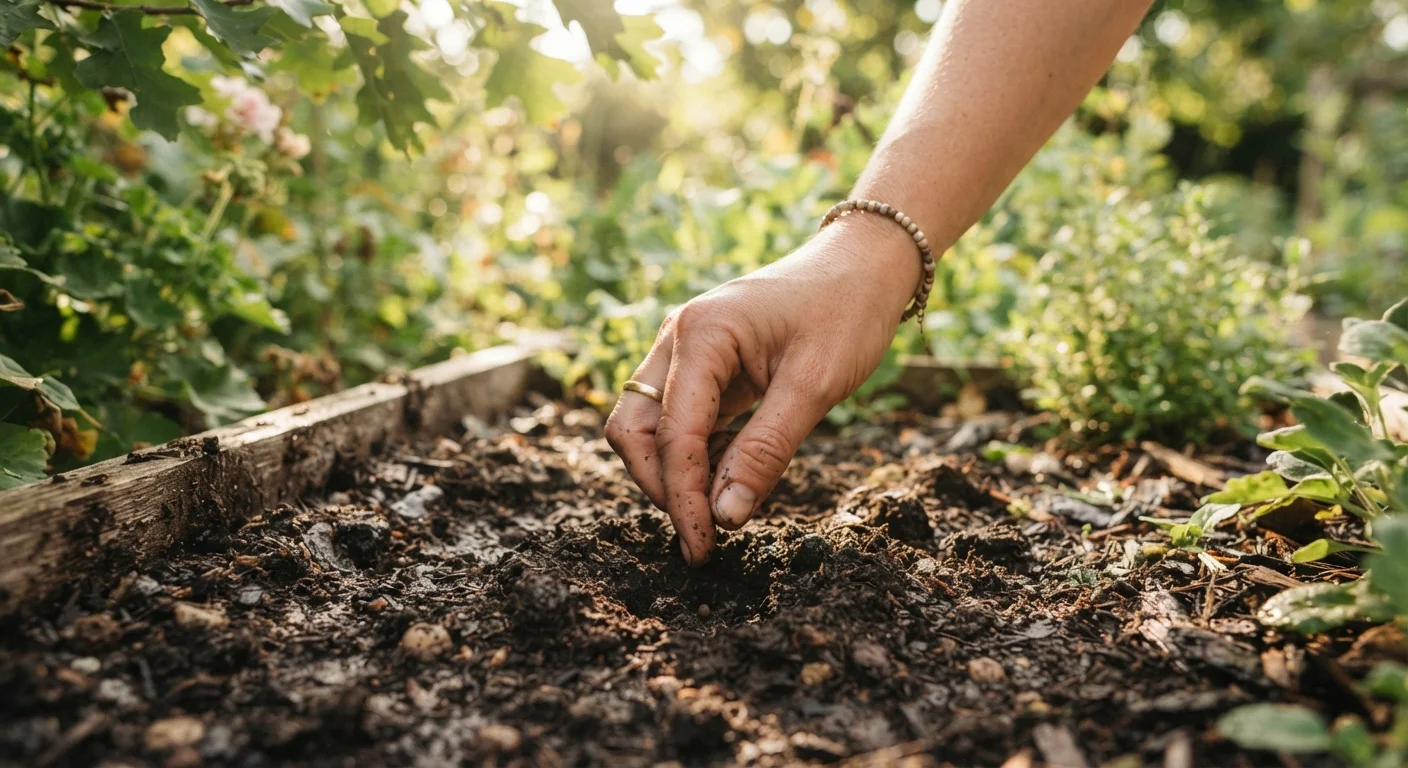
Photo: ReadersChronicle.com | Your Comprehensive Learning Destination editorial
—— In This Article
Key Takeaways
- Healthy soil - not expensive products - is the single most important factor in a thriving garden.
- Most beginner failures trace back to mismatched sunlight, not poor effort or wrong plants.
- Seeds are far cheaper than transplants and teach you how plants actually grow.
- A basic soil test costs a few dollars and can save you months of frustration.
- Matching plants to your actual conditions matters more than following generic advice.
Why These Three Fundamentals Matter Most
Most new gardeners assume failure comes from a lack of skill or the wrong tools. In reality, the majority of struggling gardens share the same three problems: poor soil, seeds or plants chosen without context, and planting in spots with the wrong light. Fix those three things and almost everything else becomes manageable.
This guide keeps the focus narrow on purpose. There's no shortage of gardening advice online, but the volume of it - companion planting charts, elaborate fertilizer schedules, specialty tools - tends to overwhelm beginners before they ever dig a hole. Before any of that matters, you need to understand what your soil is made of, what your seeds actually require, and how much sun your yard genuinely gets. See our gardening terms glossary if any language in this guide is unfamiliar.
Understanding Your Soil Before You Plant
Soil isn't just dirt - it's a living system of minerals, organic matter, water, air, and microorganisms. Plants draw everything they need through their roots, so weak soil produces weak plants regardless of how carefully you water or tend them.
Soil pH
A number from 1 to 14 that measures how acidic or alkaline your soil is. Most vegetables grow best when pH falls between 6.0 and 7.0.
Compost
Decomposed organic material - like leaves, food scraps, or grass clippings - that enriches soil with nutrients and improves its texture.
Direct-sowing
Planting seeds directly into outdoor garden soil rather than starting them indoors in pots or trays first.
Last frost date
The average calendar date in your area after which frost is unlikely to occur, marking when it's generally safe to plant cold-sensitive crops outdoors.
Full sun
A gardening term meaning a location receives six or more hours of direct sunlight each day - necessary for most fruiting vegetables.
Loamy soil
A soil type with a balanced mix of sand, silt, and clay particles that drains well while holding adequate moisture and nutrients - considered ideal for most gardens.
The first thing worth knowing is your soil's texture. Squeeze a moist handful: if it crumbles easily, you likely have sandy or loamy soil. If it stays packed in a tight ball, you're dealing with clay. Clay holds nutrients but drains poorly; sand drains fast but holds little. Both can be improved with compost - decomposed organic matter that costs little and makes a measurable difference.
The second thing to check is pH, a measure of how acidic or alkaline your soil is on a scale of 1 to 14. Most vegetables prefer a pH between 6.0 and 7.0. Outside that range, plants can't absorb nutrients even when those nutrients are present. Inexpensive soil test kits are available at most garden centers and cooperative extension offices - your local extension service often provides low-cost or free testing. Amending pH takes time, so it's worth doing before planting rather than reacting to poor results later.
Test Before You Amend
Before adding lime, sulfur, or fertilizer, get a basic soil test. Many state cooperative extension offices offer low-cost testing and will interpret the results for you. Amending blindly can shift pH or nutrient levels in the wrong direction, creating new problems while solving none.
If you're starting fresh and your native soil is very poor, a small raised bed filled with a mix of topsoil and compost is one of the most practical options for beginners. It gives you control over the growing medium from day one. For more strategies that protect your budget, see starting a vegetable garden on a tight budget.
Choosing and Starting Seeds Successfully
Seeds are the most cost-effective starting point in any garden. A single packet typically contains far more seeds than you'll use in one season, and the per-plant cost is a fraction of buying transplants. The learning curve is real - seeds need appropriate warmth, moisture, and timing - but the fundamentals are straightforward.
When selecting seeds, match them to your climate and the current season. Seed packets include key information: days to maturity, spacing, and whether to start indoors or direct-sow outdoors. Direct-sowing means planting seeds straight into garden soil; it's simpler and works well for crops like beans, carrots, and radishes that don't transplant well. Starting indoors gives longer-season crops like tomatoes and peppers a head start, but requires warmth and adequate light - a sunny south-facing window or a basic grow light can work.
Pay attention to your region's last frost date, which determines when it's safe to put cold-sensitive plants outside. The USDA plant hardiness zone map is a free public resource that helps you identify your zone and frost timing. Planting too early is one of the most common beginner mistakes - cold soil slows germination and stressed seedlings invite disease.
Be skeptical of gardening advice that seems too complex. Our article on common gardening myths covers several well-intentioned practices that don't hold up.
Reading Sunlight in Your Yard
Sunlight is the factor new gardeners most consistently underestimate. Most assume their yard gets more sun than it actually does, especially early in the season before nearby trees fully leaf out. The honest approach is to observe your garden site over a full day, checking every two hours to note where sun falls and for how long.
Seed packets and plant tags use standard light terms: full sun means six or more hours of direct sunlight; partial sun or partial shade means three to six hours; full shade means fewer than three hours. Fruiting vegetables - tomatoes, peppers, squash, cucumbers - need full sun. Leafy greens, herbs like parsley and cilantro, and many root vegetables tolerate partial shade and are practical choices for less-sunny spaces.
Reflected light from fences or walls can supplement direct sun in some situations, but it doesn't replace it. If your yard has limited full-sun areas, prioritize them for your most productive crops and use shadier zones for greens or flowers. Containers offer flexibility - you can move them to follow sun patterns as seasons shift.
Don't Rely on Early-Season Observations
Sun patterns in your yard change significantly as spring progresses and deciduous trees fill in with leaves. A spot that looks sunny in March may be heavily shaded by May. Observe your garden site across several days in the season you plan to plant, not just once in early spring.
Once you've assessed your soil and sunlight, use the first-garden readiness checklist to confirm everything is in order before you plant.
Putting It All Together on a Budget
A thriving first garden doesn't require a large investment. The most valuable things you can spend are time and attention - observing your space, improving soil gradually, and choosing plants suited to your actual conditions rather than what looks appealing at a nursery.
Start small. A 4×4-foot raised bed or a handful of containers is manageable and teaches you more in one season than a sprawling plot that becomes overwhelming. Prioritize compost: it improves nearly every soil type, supports soil life, and can often be sourced cheaply or made from kitchen scraps. Buy seeds rather than transplants where possible, and focus on crops you'll actually use.
Good habits matter more than good tools. Once your garden is in the ground, consistent observation - checking for pests, noticing wilting or discoloration, adjusting water - does more than any single product. For practical guidance on keeping things manageable as your garden grows, see tending a thriving garden without overcomplicating it.
Soil, seeds, and sunlight won't make gardening completely effortless, but understanding them clearly removes the guesswork that trips up most beginners. Work with your conditions rather than against them, and your first harvest becomes far more likely than you might expect.
Frequently Asked Questions

Home Editorial Team
Home Editorial Team is the collective byline for our editorial team and contributor network. Articles published under this byline or an editorial pen name are researched, written, and reviewed according to our editorial standards for clarity, consistency, and independence before publication.
View author profile