
Common Gardening Terms Every Beginner Should Understand
From hardiness zones to deadheading, a quick-reference glossary of gardening words that show up constantly and often go unexplained.
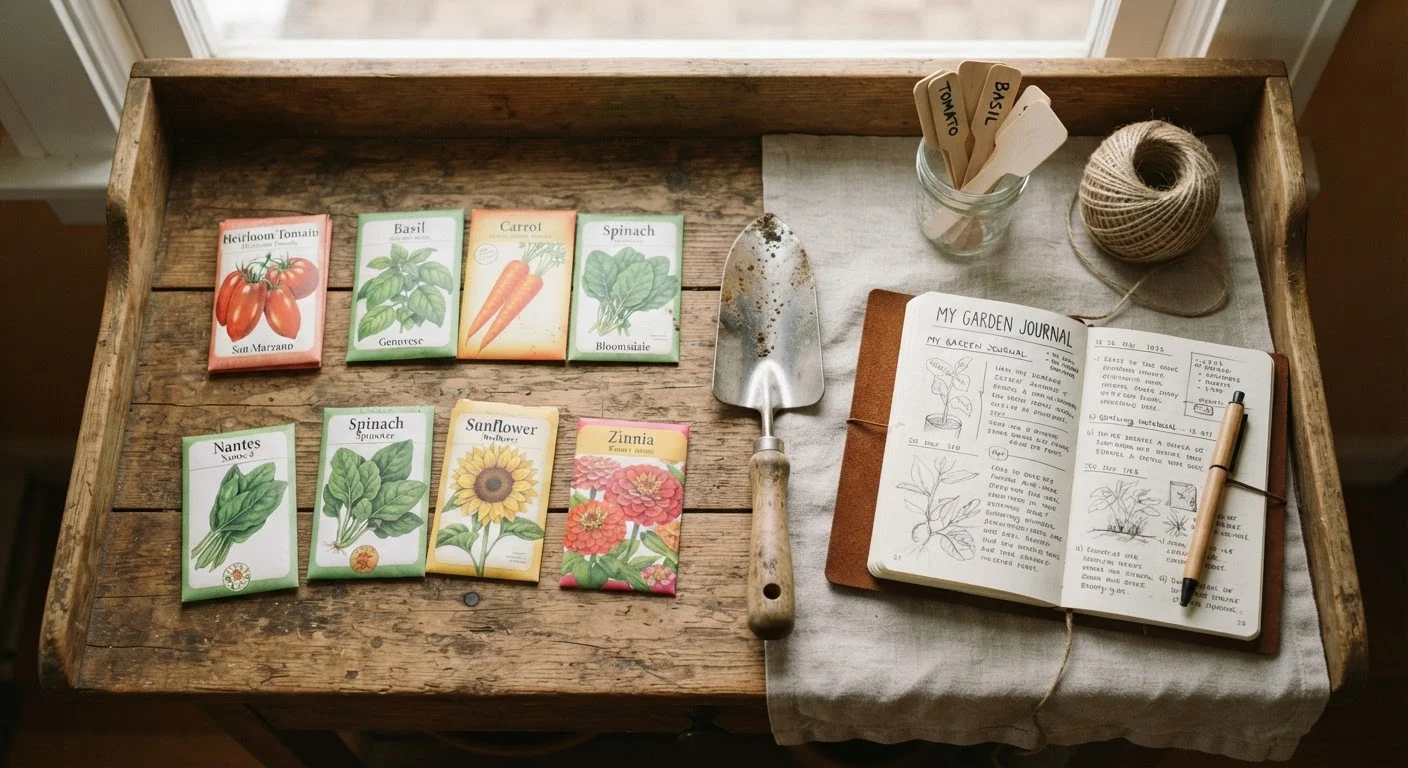
Photo: ReadersChronicle.com | Your Comprehensive Learning Destination editorial
—— In This Article
Why Gardening Jargon Trips Up Beginners
Pick up a seed packet, browse a planting guide, or flip through a garden center tag, and you'll immediately bump into terms like hardiness zone, direct sow, or pH. These words get tossed around as if everyone already knows them - and that creates a quiet barrier for anyone just starting out.
This reference is designed to close that gap. The terms below come up constantly in gardening instructions, plant tags, and soil bag labels. Understanding them will help you make smarter choices before you spend a dollar or dig a single hole. For a broader overview of what your garden actually needs, see Soil, Seeds, and Sunlight.
Hardiness Zone
A geographic classification, defined by the USDA in the US, that indicates the average annual minimum winter temperature in an area. Plant tags use zone numbers (e.g., Zone 5 or Zone 9) to tell you whether a plant can survive your winters outdoors.
Annual
A plant that completes its full life cycle - germination, growth, flowering, seed production, and death - within a single growing season. Annuals must be replanted each year.
Perennial
A plant that lives for more than two years, dying back in winter and regrowing from its roots each spring. Perennials are often a cost-effective long-term choice because they don't need annual replanting.
Deadheading
Removing spent or faded flowers from a plant before they go to seed. This redirects the plant's energy into producing more blooms rather than forming seeds, extending the flowering period.
Direct Sow
Planting seeds directly into the ground or container where they will grow, rather than starting them indoors first. Many root vegetables and fast-growing annuals do best when direct-sown.
Hardening Off
The process of gradually exposing seedlings started indoors to outdoor conditions - temperature fluctuations, wind, and direct sun - over several days before transplanting. Skipping this step can shock and damage young plants.
Soil pH
A measure of how acidic or alkaline your soil is, rated on a scale from 0 to 14. Most vegetables and flowers grow best in slightly acidic to neutral soil, roughly pH 6.0-7.0.
Mulch
Any material - wood chips, straw, shredded leaves - spread over the soil surface around plants. Mulch conserves moisture, suppresses weeds, and regulates soil temperature.
Transplant
A seedling or young plant that was started in one location and moved to its final growing spot. The term also refers to the act of moving the plant.
NPK
The three primary nutrients in fertilizer: Nitrogen (N), Phosphorus (P), and Potassium (K). The numbers on a fertilizer label (e.g., 10-10-10) show the percentage of each nutrient by weight.
Thinning
Removing some seedlings from a group to give the remaining plants enough space, light, and nutrients to develop properly. Overcrowded seedlings compete with each other and rarely produce well.
Bolt
When a plant rapidly shifts energy toward producing flowers and seeds, usually triggered by heat or lengthening days. Bolting often makes leafy vegetables like lettuce and spinach bitter and less edible.
Key Numbers and Ratings You'll See on Every Label
Plant tags and fertilizer bags are loaded with numbers. Knowing what each one measures prevents wasted money and dead plants.
| USDA Hardiness Zones (US) | Zones 1-13, based on average annual minimum temperature (USDA Plant Hardiness Zone Map) |
| Ideal vegetable garden soil pH | 6.0-7.0 (slightly acidic to neutral) (General horticultural guidance) |
| NPK label format | Three numbers: % Nitrogen - % Phosphorus - % Potassium (Standard fertilizer labeling) |
| Hardening-off period | Typically 7-10 days of gradual outdoor exposure (General horticultural guidance) |
| Days to maturity | Days from transplant (or sowing) to first harvest; shown on seed packets (Seed packet labeling convention) |
Once you're comfortable reading these numbers, decoding a full plant tag becomes much faster and more useful.
Zone Maps Get Updated Over Time
The USDA updates its Plant Hardiness Zone Map periodically as climate data changes. A zone number printed in an older book may differ from the current official map. It's worth checking the USDA's online map for your zip code before assuming which zone applies to your garden. Local cooperative extension offices also provide region-specific planting guidance at no cost.
Putting the Terms to Work
Vocabulary only helps when you apply it. Before your first planting session, run through this readiness checklist to confirm your site, timing, and soil preparation are in order. If you're gardening in pots or on a balcony, understanding terms like drainage, container mix, and hardening off matters even more - see Container Gardening: What Works, What Doesn't, and Why for an honest look at the trade-offs.
As your garden matures, consistent habits do more than any fancy product. Tending a Thriving Garden Without Overcomplicating It covers the routines - mulching, observing, timing - that keep plants healthy without adding cost or complexity.
80%
Of new gardeners cite confusing terminology as a barrier
Surveys conducted by gardening interest groups consistently find that unfamiliar jargon is one of the top obstacles reported by first-year gardeners.
13
USDA hardiness zones across the contiguous US
The USDA Plant Hardiness Zone Map divides the country into zones based on average annual minimum winter temperatures, guiding plant selection nationwide.

Home Editorial Team
Home Editorial Team is the collective byline for our editorial team and contributor network. Articles published under this byline or an editorial pen name are researched, written, and reviewed according to our editorial standards for clarity, consistency, and independence before publication.
View author profile