
Before You Plant Anything: A First-Garden Readiness Checklist
Use this checklist to confirm your site, soil, tools, and timing are in order before putting a single seed or transplant in the ground.
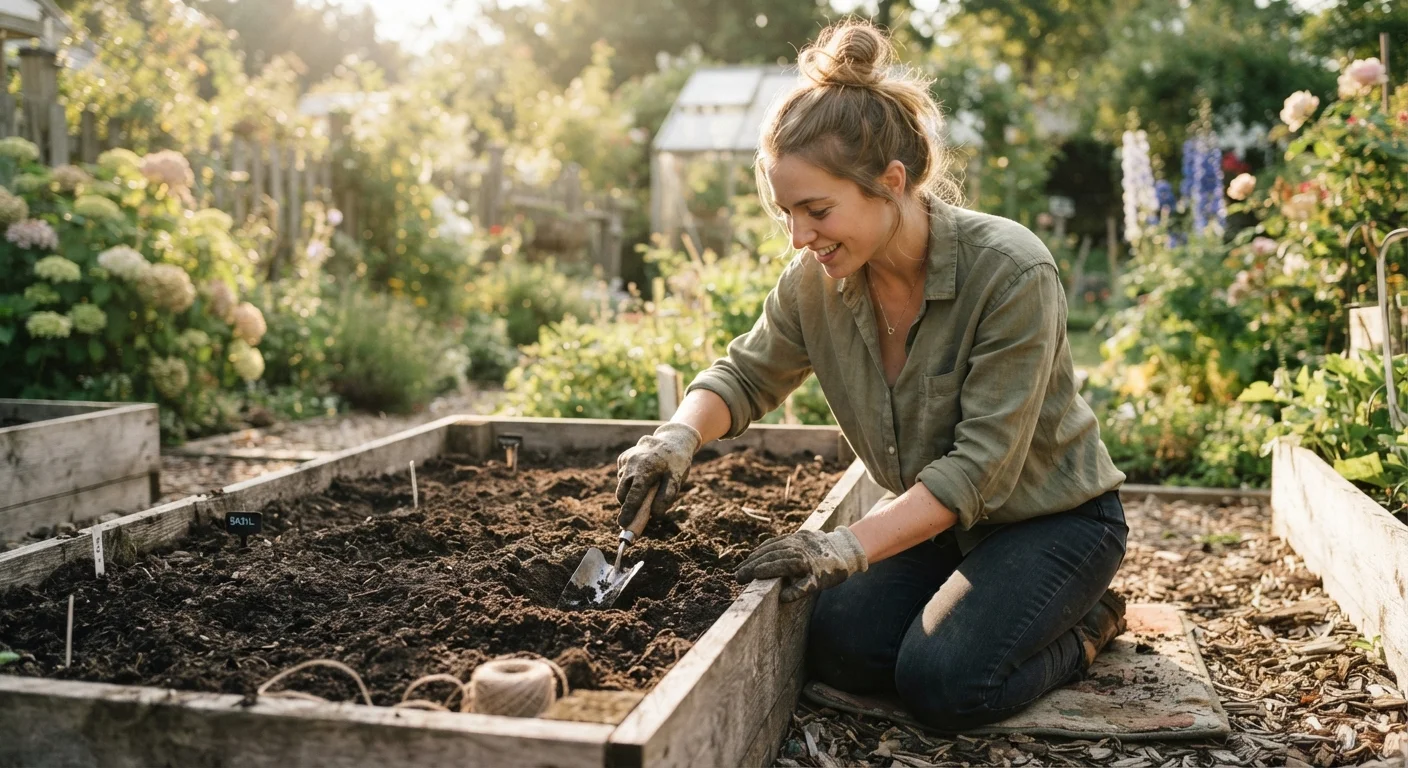
Photo: ReadersChronicle.com | Your Comprehensive Learning Destination editorial
—— In This Article
Key Takeaways
- Checking sunlight, drainage, and soil quality before planting prevents most first-year failures.
- You need fewer tools than you think - a short list of basics covers almost every beginner task.
- Knowing your frost dates and hardiness zone determines what to plant and when.
- Starting small reduces cost, waste, and the risk of feeling overwhelmed.
- Soil preparation is the single highest-impact investment a new gardener can make.
Why Preparation Beats Enthusiasm Every Time
Most first gardens fail not because of bad luck or a green thumb deficit - they fail because the groundwork was skipped. Eager new gardeners often rush straight to seeds and transplants, only to discover too late that their chosen spot gets afternoon shade, their soil drains like concrete, or they planted tomatoes three weeks before the last frost.
This checklist exists to close that gap. Run through it before you spend a dollar on plants or soil amendments, and you'll start with a realistic picture of what your space can actually support. For a complementary deep-dive into the fundamentals, see what every new gardener actually needs to know about soil, seeds, and sunlight.
If budget is a concern - and for most first-timers it is - starting a vegetable garden on a tight budget walks through practical ways to stretch every dollar once your site is ready.
Site Assessment
Soil Readiness
Timing and Planning
Seed and Plant Selection
Final Pre-Plant Check
Tools You Actually Need
Resist the urge to fill a cart at the garden center. A small set of quality basics handles the vast majority of beginner tasks. Borrow or buy secondhand where possible - worn wooden-handled tools from an estate sale often outperform cheap new ones.
Hand trowel
Digging small planting holes and transplanting seedlings into prepared beds.
Garden fork or spade
Breaking up and turning soil when preparing a new planting area.
Watering can or garden hose with adjustable nozzle
Delivering water gently to seedlings and transplants without disturbing soil.
Soil pH test kit
Measuring soil acidity so you can amend correctly before planting.
Kneeling pad
Protecting your knees during soil preparation and planting tasks.
Garden gloves
Protecting hands from blisters, thorns, and soil-borne irritants during prep work.
Plant markers or stakes
Labeling rows or planting zones so you remember what was planted where.
Common Mistakes to Avoid Before You Start
Even with a checklist in hand, a few missteps show up repeatedly in first gardens. Awareness of them now saves rework later.
Don't Skip the Frost Date Check
Planting too early is one of the most common - and costly - beginner mistakes. A single late frost can kill an entire bed of seedlings overnight. Always verify your area's average last spring frost date before putting warm-season crops in the ground, and keep a frost cloth or old bedsheet nearby for unexpected cold snaps.
Bigger Isn't Better for a First Garden
An oversized first garden is harder to water, weed, and monitor consistently. Starting with a compact, manageable space lets you learn what your plants actually need without becoming overwhelmed. You can always expand in year two once you have a full season of experience behind you.
Once you've confirmed your site, soil, tools, and timing, the ongoing work becomes much more manageable. Tending a thriving garden without overcomplicating it outlines the consistent habits - mulching, observing, watering on schedule - that keep a garden healthy without expensive products or elaborate techniques. And when unfamiliar terms come up along the way, the gardening glossary for beginners covers the vocabulary that shows up constantly but often goes unexplained.

Home Editorial Team
Home Editorial Team is the collective byline for our editorial team and contributor network. Articles published under this byline or an editorial pen name are researched, written, and reviewed according to our editorial standards for clarity, consistency, and independence before publication.
View author profile