
Direct Sowing vs. Starting Seeds Indoors: Choosing the Right Approach
Some vegetables do better started inside; others resent being transplanted. See how these two methods compare so you can plan your season smarter.
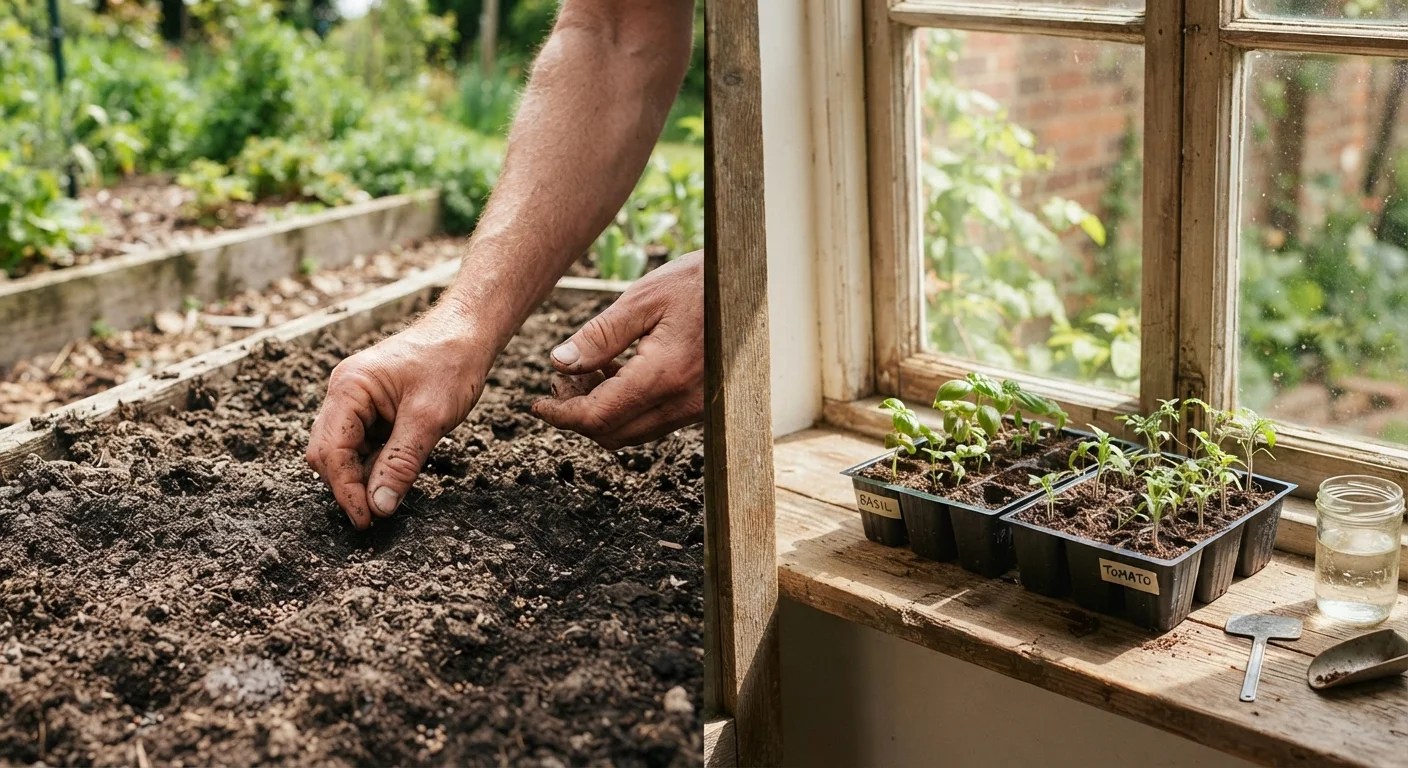
Photo: ReadersChronicle.com | Your Comprehensive Learning Destination editorial
—— In This Article
Key Takeaways
- Some vegetables - like carrots and beans - perform better when sown directly into garden soil.
- Starting seeds indoors extends your growing season, especially in cold climates with short summers.
- Indoor seed starting requires more supplies and attention; direct sowing costs almost nothing extra.
- Transplant shock is a real risk: crops with sensitive roots rarely recover well from being moved.
- Matching your method to each crop is more effective than picking one approach for everything.
Why Your Starting Method Matters
Every seed packet has a recommendation - "direct sow after last frost" or "start indoors 6-8 weeks before transplanting" - but it's easy to overlook why those instructions exist. The method you choose affects how quickly plants establish, whether they survive transplanting, and ultimately how much you harvest.
Before understanding what your seeds actually need, it helps to know which environment gives them the strongest start. The two core approaches - direct sowing and starting seeds indoors - each have real strengths and real limitations depending on what you're growing.
Direct Sowing: Simple, Low-Cost, and Often Underrated
Direct sowing means planting seeds straight into the ground where they'll grow to maturity. No pots, no grow lights, no hardening off - just seeds in soil.
This method works especially well for:
- Root vegetables - carrots, beets, parsnips, and radishes develop taproots that do not transplant well. Moving them almost always stunts growth or causes forking.
- Fast-maturing crops - beans, peas, cucumbers, squash, and corn grow quickly enough that the head start from indoor sowing isn't necessary.
- Crops that resent disturbance - nasturtiums, dill, and sunflowers typically germinate fast and dislike having their roots disturbed.
The main limitation is timing. Direct sowing depends on outdoor soil reaching the right temperature for germination - usually at least 50-60°F for most vegetables. In short-season climates, that window can be narrow.
Check Your Last Frost Date First
Every planting decision - whether to sow indoors or out - should start with knowing your area's average last spring frost date. This single piece of information determines when it's safe to transplant warm-season crops and how many weeks of indoor starting time you have. Your local cooperative extension service website (search your state name plus "cooperative extension") is a reliable, free source for this information.
Starting Seeds Indoors: More Control, More Commitment
Starting seeds indoors lets you get a jump on the season - often 4 to 10 weeks before outdoor conditions are safe. This approach is almost essential for long-season crops in northern climates.
Indoor starting is most valuable for:
- Tomatoes, peppers, and eggplant - these need a long growing season (70-90+ days) that simply doesn't fit into most US frost calendars without a head start.
- Celery and onions - notoriously slow germinators that benefit from controlled, warm indoor conditions.
- Brassicas - broccoli, cabbage, and cauliflower can be started indoors for spring or fall planting cycles.
The trade-off is real: indoor starting requires seed trays, a seed-starting mix (not regular potting soil), consistent moisture, adequate light, and a process called hardening off - gradually exposing seedlings to outdoor conditions over 7-10 days before transplanting. Skipping that step is one of the most common reasons seedlings fail. If you're seeing losses after moving seedlings outside, read about the causes of early seedling death before your next attempt.
| Direct Sowing | Starting Seeds Indoors | |
|---|---|---|
| Upfront cost | Seeds only - minimal | Trays, mix, possibly grow lights |
| Best crops | Root veg, beans, squash, peas | Tomatoes, peppers, eggplant, brassicas |
| Season extension | None - depends on outdoor temps | 4-10 weeks gained before last frost |
| Transplant shock risk | None | Moderate - requires hardening off |
| Time and attention required | Low after planting | High - daily monitoring needed |
| Works in short-season climates | Limited for slow crops | Yes - primary advantage |
Cost Differences Are Real - But Not Prohibitive
Direct sowing has almost no additional cost beyond the seeds themselves. Indoor seed starting adds expenses: trays or containers, seed-starting mix, and - critically - adequate light. A bright south-facing window may be enough for some crops in sunny climates, but many gardeners find supplemental grow lights necessary for strong, compact seedlings. Leggy, stretched seedlings are a sign of insufficient light, and they rarely recover into productive plants.
If budget is tight, prioritize indoor starting only for crops where it makes the most agronomic difference - tomatoes and peppers being the clearest examples. For everything else, direct sowing saves money and effort with little downside. Growing on a tight budget is very achievable when you match your method to each crop rather than defaulting to one approach for everything.
6-10 weeks
Typical indoor head start for tomatoes
Most seed packets and cooperative extension guides recommend starting tomatoes indoors 6-10 weeks before the last expected frost date in your area.
50-95°F
Soil temperature range for common vegetable germination
Different vegetables germinate best within different soil temperature ranges; cool-season crops like spinach can sprout near 40°F, while warm-season crops like peppers prefer soil above 70°F.
How to Decide: A Practical Framework
When planning your season, ask three questions for each crop:
- Does this plant tolerate transplanting? Root crops and tap-rooted plants generally do not. Tomatoes, peppers, and most brassicas handle it well.
- Is the growing season long enough for direct sowing? If your area has fewer than 150 frost-free days, long-season crops need an indoor head start.
- Do I have what indoor starting requires? If you lack adequate light or time to monitor moisture, direct sowing often produces better results than neglected indoor seedlings.
Most experienced gardeners use both methods side by side - direct sowing beans and carrots while simultaneously starting tomatoes on a windowsill. That combination fits well in nearly any garden setup, including container gardens on patios or balconies and both raised beds and in-ground plots.

Home Editorial Team
Home Editorial Team is the collective byline for our editorial team and contributor network. Articles published under this byline or an editorial pen name are researched, written, and reviewed according to our editorial standards for clarity, consistency, and independence before publication.
View author profile