
Reading a Plant Tag: What Those Numbers and Symbols Tell You
Plant tags carry a surprising amount of useful information — spacing, sun needs, mature size. Here's how to decode them before you buy or plant.
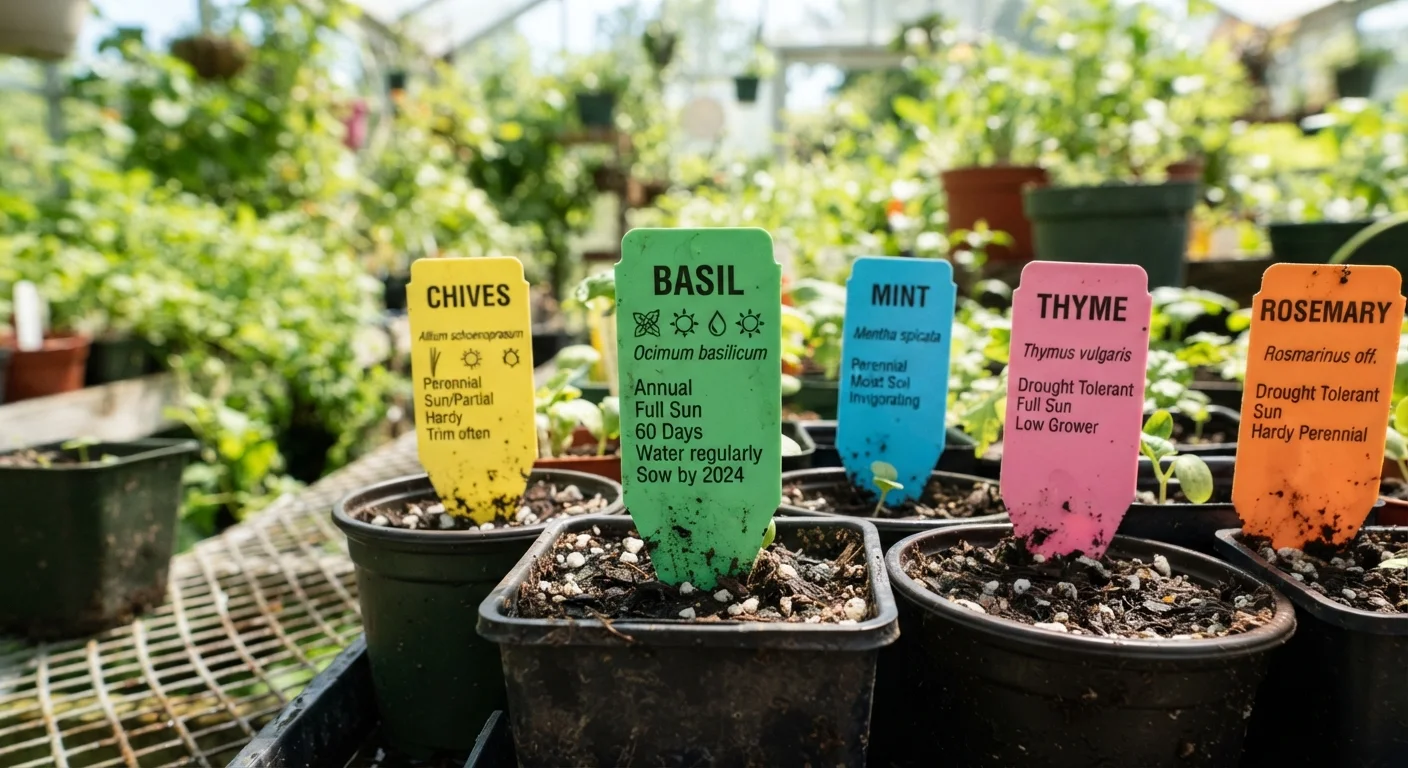
Photo: ReadersChronicle.com | Your Comprehensive Learning Destination editorial
—— In This Article
Key Takeaways
- Plant tags tell you sun requirements, water needs, spacing, and mature plant size.
- Hardiness zone numbers tell you whether a plant can survive your local winters.
- Spacing guidelines on tags prevent overcrowding, which is a leading cause of plant failure.
- Annual vs. perennial labels determine whether a plant returns each year or needs replanting.
- Reading the tag before you buy saves money by matching plants to your actual conditions.
Why Plant Tags Deserve More Attention
Most gardeners glance at the photo on a plant tag, check the price, and move on. But those small plastic stakes are actually one of the most useful free resources at a garden center. A tag can tell you whether a plant will fit your yard, survive your climate, and thrive in the spot you have in mind - all before you spend a dime.
Learning to decode a tag is especially valuable for budget-conscious gardeners. Buying a plant that's wrong for your conditions is one of the most common and costly beginner mistakes. This guide walks you through every section of a standard plant tag so you know exactly what you're looking at. For broader context on growing conditions, see what every new gardener actually needs to know.
The Key Sections of a Plant Tag - Explained
Plant tags vary by manufacturer, but most include the same core categories. Here's what each one means:
Sun Symbol
Tags use simple icons to describe light requirements. A solid sun means full sun (6 or more hours of direct sunlight daily). A half-filled sun means part sun or part shade (3-6 hours). A shaded circle means full shade (fewer than 3 hours of direct light). Match this honestly to your planting spot - putting a full-sun plant in a shady corner is a setup for disappointment.
Water Droplet Icon
One droplet usually means low water needs; two or three indicate moderate to high moisture requirements. This helps you group plants with similar needs together and avoid overwatering or underwatering.
Hardiness Zone
A range like Zones 5-9 refers to the USDA Plant Hardiness Zone Map, which divides the country by average minimum winter temperature. If your zone falls within the listed range, the plant should survive winters in your area. If it doesn't, the plant is likely an annual in your climate - meaning it won't return next year. You can look up your zone for free on the USDA website using your zip code. See also our glossary of common gardening terms for a quick reference on zone terminology.
Mature Size
Tags list height and spread at maturity - for example, 18-24" H x 12-18" W. Height is how tall the plant grows; spread (or width) is how wide it extends. Both numbers matter for spacing decisions.
Spacing
This is often listed separately as the recommended distance between plants. Ignoring it is one of the most common beginner errors. Crowded plants compete for water, nutrients, and airflow, making disease more likely. If you're planting in containers, spacing still applies - container gardening has real trade-offs when plants are too cramped.
Annual vs. Perennial
Annuals complete their life cycle in one season; perennials return year after year (within their hardiness zone). Biennials take two years to complete their cycle. Knowing which type you're buying affects your planting budget across seasons.
Save Tags After Planting
Stick used plant tags into a small labeled envelope or photo album at the end of each season. This creates a personal plant record you can reference when reordering, troubleshooting, or planning next year's garden - no guessing what you planted where.
How to Use This Information Before You Buy
Note the plant's common and botanical name
The common name (e.g., Purple Coneflower) is easy to remember, but the botanical name (e.g., Echinacea purpurea) is the precise identifier. Use the botanical name when searching for detailed care information online - common names can refer to multiple unrelated plants.
Check the sun icon against your planting location
Observe how much direct sunlight your intended planting spot actually receives on a typical day. Count hours of unobstructed sun, not just bright sky. A spot that feels sunny may only receive 3-4 hours once nearby structures or trees cast afternoon shade.
Confirm your hardiness zone matches the tag
Look up your USDA hardiness zone using your zip code if you don't already know it. Compare it to the zone range on the tag. If your zone falls within that range, the plant is considered winter-hardy in your area. If it's outside the range, treat the plant as an annual or choose something better suited to your climate.
Calculate spacing needs for your space
Multiply the recommended spacing by the number of plants you want to place. For example, if a tag says 18" spacing and you have a 6-foot row, you can fit about four plants comfortably. Resist the urge to plant closer - the tag's spacing reflects mature spread, not current pot size.
Note fertilizer or soil amendments listed
Some tags include brief soil or feeding recommendations. If a tag mentions acidic soil or balanced fertilizer, take note before planting. Understanding fertilizer labels will help here - our article on what NPK actually means on a fertilizer bag breaks down those three numbers in plain language.
Once you understand what's on a tag, the real skill is applying it at the point of purchase. Before pulling out your wallet, run through a quick mental checklist: Does my planting spot get the right amount of sun? Is this plant hardy in my zone? Do I have enough room for the mature spread? Will the spacing work for the number of plants I'm buying?
If you're still building out your garden plan, our first-garden readiness checklist helps you confirm site, soil, and timing are in order before anything goes in the ground.
Don't Trust the Photo Alone
Nursery tag photos show plants at their most attractive and are often taken under ideal conditions. Always read the text on the tag - the photo may show a mature plant that will triple in size or require very specific conditions your yard can't provide.

Home Editorial Team
Home Editorial Team is the collective byline for our editorial team and contributor network. Articles published under this byline or an editorial pen name are researched, written, and reviewed according to our editorial standards for clarity, consistency, and independence before publication.
View author profile