
DIY Car Maintenance vs. Taking It to a Shop
Some jobs are straightforward for most drivers; others genuinely require a professional. Here's a practical breakdown of where the line sits.
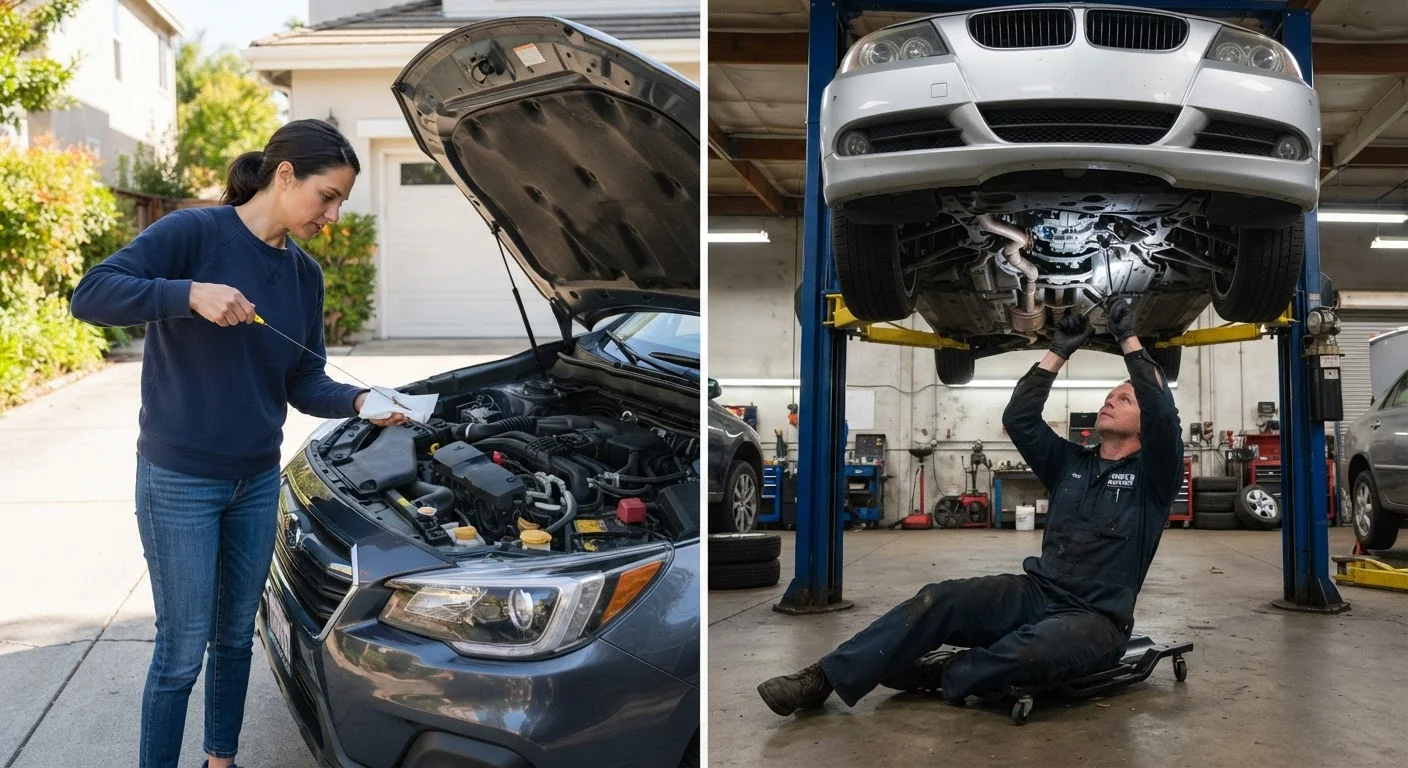
Photo: ReadersChronicle.com | Your Comprehensive Learning Destination editorial
—— In This Article
Key Takeaways
- Routine tasks like air filter swaps and wiper replacements are manageable for most drivers with basic tools.
- Jobs involving brakes, suspension, or electrical systems carry real safety risks and often warrant a professional.
- DIY saves money on labor but requires honest self-assessment of your tools, skills, and available time.
- A mistake on the wrong job can cost far more than the shop visit you were trying to avoid.
- Your owner's manual is the most reliable guide for what your specific vehicle actually needs and when.
Why This Decision Matters More Than It Seems
Labor is a significant portion of any shop bill - often more than the parts themselves. That gap is exactly why plenty of drivers are tempted to grab a YouTube tutorial and handle things at home. But the flip side is real: a job done incorrectly on the wrong system can turn a $60 fix into a $600 repair, or worse, create a safety hazard you won't notice until you need to stop fast.
The decision isn't really DIY versus shops in general - it's about matching the right approach to each specific task. Start by being honest about three things: your mechanical confidence, your tools, and how much time you realistically have. If any of those are thin, the calculus shifts toward a professional. See our guide for new drivers if you're still building that foundation.
Tasks Most Drivers Can Handle at Home
These jobs involve no specialized equipment, carry minimal safety risk if done carefully, and are well-documented in most owner's manuals:
- Engine air filter replacement - Usually a clip or two, no tools needed. Filters are inexpensive and accessible in most vehicles.
- Cabin air filter replacement - Often behind the glove box. Takes minutes and meaningfully improves interior air quality.
- Wiper blade replacement - Straightforward once you know the attachment style your car uses.
- Checking and topping off fluids - Coolant, washer fluid, and power steering fluid reservoirs are labeled and easy to access. Oil checks take 90 seconds.
- Battery terminal cleaning - Disconnect, clean corrosion with a wire brush, reconnect. Simple and extends battery life.
- Tire pressure checks - A $15 gauge or a free pump at most gas stations. Under-inflated tires hurt fuel economy and wear unevenly.
Keep a Simple Maintenance Log
Record every fluid top-off, filter swap, and tire rotation in a notebook or phone note - including the date and mileage. This habit costs nothing and pays off at resale, at the shop, and when warranty questions come up. Mechanics and potential buyers both respond well to documented care history.
For oil changes, many drivers fall somewhere in between: the task itself is manageable, but disposal of used oil requires a proper drop-off site. Factor that into whether DIY genuinely saves you time. Our article on synthetic vs. conventional motor oil can help you pick the right product before you start.
Jobs That Belong in a Professional Shop
Some tasks look approachable until something goes wrong - and the consequences of getting them wrong are serious enough to warrant paying for expertise.
Don't Let Cost Alone Drive the Decision
Attempting a brake job or suspension repair without the right tools, torque specs, and experience can result in a vehicle that feels fine in the driveway but fails under real driving conditions. The potential cost of an accident or a secondary repair almost always exceeds the original shop estimate you were trying to avoid.
- Brake service - Pad replacement can be DIY-friendly for experienced mechanics, but rotors, calipers, and brake lines require precision. A brake failure isn't recoverable.
- Suspension and steering components - Incorrect alignment or improperly torqued tie rod ends affect handling in ways that may not be obvious until a highway lane change goes badly.
- Timing belt or chain service - An interference engine with a snapped timing belt can destroy itself in seconds. This job requires exact specifications and usually specialized tools.
- Transmission service beyond fluid checks - Transmissions are expensive, complex, and unforgiving of assembly errors.
- Electrical and computer diagnostics - Modern vehicles have interconnected control modules. Guessing at electrical problems can compound them. A shop with a proper scan tool and wiring diagrams is the right call.
- Airbag and restraint system work - Federal regulations exist around airbag systems for good reason. This is never a DIY situation.
If you're unsure where a specific task falls, check your maintenance schedule - it often clarifies what's involved in each service interval.
How to Compare the Real Costs
| DIY at Home | Professional Shop | |
|---|---|---|
| Labor cost | $0 (your time) | $80-$200/hr typical US rate |
| Parts cost | Retail price, shopped by you | Shop markup, often 20-50% over retail |
| Tools required | Basic to intermediate | Specialized, already on-site |
| Safety risk (complex jobs) | High if done incorrectly | Low with a qualified mechanic |
| Warranty impact | Possible risk if undocumented | Typically none with receipts |
| Best suited for | Routine, low-stakes maintenance | Complex, safety-critical repairs |
Labor rates at independent shops typically run $80-$150 per hour in the US, while dealerships often charge $100-$200. DIY eliminates labor costs but adds parts, supplies, and your time. For a task taking a shop 30 minutes, DIY savings may be $40-$75 - meaningful on routine items, less compelling when you factor in tool purchases or the risk of a mistake. Use the maintenance terms reference if shop estimates include unfamiliar language.
One area many drivers overlook: warranty implications. If your vehicle is under a manufacturer or extended warranty, certain DIY repairs - done without proper documentation - can complicate or void coverage. Always verify your warranty terms before touching anything beyond fluid top-offs.
Building a Practical DIY Habit Without Overreaching
The drivers who get the most value from DIY maintenance are the ones who stay in their lane. Start with the simple, low-stakes tasks and build from there. Keep records of everything you do - date, mileage, parts used. That documentation helps at resale time and keeps you honest about intervals.
Investing in a basic OBD-II scanner (the device that reads your check engine light codes) costs $20-$50 and can save you a diagnostic fee when a warning light appears. It won't replace a full shop diagnosis, but it gives you better information before you call for an appointment.
Be aware of the habits that quietly shorten a car's life - some of the most damaging patterns come from well-intentioned but poorly executed home maintenance. When in doubt about a task's scope or safety, a quick call to a trusted mechanic costs nothing and could save you a lot.
This article is for general informational purposes only. DIY vehicle maintenance involves risk of injury and mechanical damage. Always consult your owner's manual and, for safety-critical systems, seek a qualified professional mechanic.

Cars Editorial Team
Cars Editorial Team is the collective byline for our editorial team and contributor network. Articles published under this byline or an editorial pen name are researched, written, and reviewed according to our editorial standards for clarity, consistency, and independence before publication.
View author profile