
Your Car's Maintenance Schedule, Decoded
Confused by your owner's manual maintenance intervals? Learn what each service milestone means and why skipping one can cost you more later.
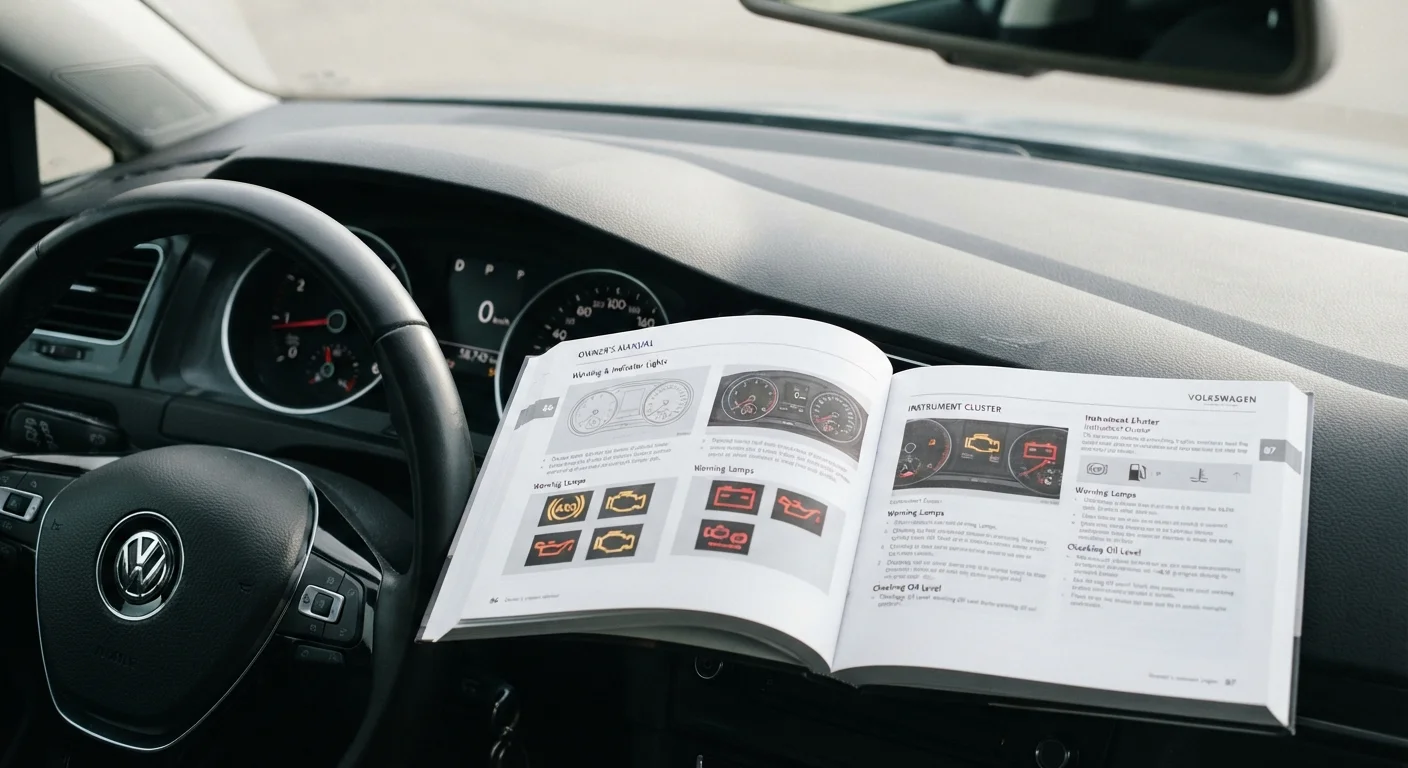
Photo: ReadersChronicle.com | Your Comprehensive Learning Destination editorial
—— In This Article
Key Takeaways
- Your owner's manual contains the most accurate maintenance schedule for your specific vehicle.
- Skipping service intervals doesn't save money - it often creates bigger, costlier problems down the road.
- Mileage and time both trigger maintenance needs; whichever comes first is the one that counts.
- Not every service a shop recommends is required - cross-check everything against your manual.
- Keeping a maintenance log adds real value at resale time and helps catch recurring issues early.
What the Mileage Numbers Actually Mean
Every maintenance schedule uses mileage markers as shorthand for wear-and-tear cycles. At 5,000 miles, your oil has absorbed combustion byproducts through roughly that many miles of heat and friction. At 30,000 miles, your air filter has likely trapped enough debris to restrict airflow. At 60,000 miles, components like spark plugs and drive belts have completed a predictable amount of stress cycles.
The numbers aren't arbitrary - they reflect how long tested materials hold up under normal use. But mileage alone doesn't tell the full story. Time matters too. A car driven only 3,000 miles per year still needs an oil change annually, because oil degrades chemically even when sitting. Your manual will usually list both a mileage threshold and a time limit (e.g., "every 5,000 miles or 6 months, whichever comes first"). The "whichever comes first" part is the one most drivers miss.
If you're unclear on the terminology you'll encounter - words like coolant flush, differential fluid, or serpentine belt - our plain-language glossary of maintenance terms explains each one without the shop jargon.
35%
U.S. vehicles with overdue oil changes
According to industry estimates cited by the Car Care Council, approximately one in three vehicles on U.S. roads is overdue for an oil change at any given time.
$1,200+
Average cost of a timing belt failure repair
Repair cost estimates from automotive service data suggest timing belt failures - preventable with scheduled replacement - frequently result in engine damage exceeding $1,200 in repair costs.
1 in 4
Cars with low or dirty engine air filters
The Car Care Council has reported that roughly one in four vehicles inspected during national car care awareness campaigns shows a dirty or clogged engine air filter.
The Services Most Drivers Overlook
Oil changes get the attention. But your maintenance schedule covers far more, and the less-discussed items are often the ones that lead to expensive failures when ignored.
- Transmission fluid: Many drivers don't realize this needs changing - typically every 30,000-60,000 miles depending on the vehicle and transmission type. A transmission rebuild can cost thousands.
- Coolant flush: Coolant doesn't just prevent freezing - it controls corrosion inside your engine and cooling system. Old coolant becomes acidic and eats away at components from the inside.
- Cabin and engine air filters: Engine air filters affect fuel efficiency and engine longevity. Cabin filters affect air quality inside the car. Both are inexpensive and often overlooked.
- Brake fluid: Brake fluid absorbs moisture over time, which lowers its boiling point and can compromise braking performance. Many manuals call for a flush every two years.
- Spark plugs: Modern iridium plugs can last 60,000-100,000 miles, but worn plugs hurt fuel economy and cause rough starts well before they fully fail.
Letting any of these slide isn't just a maintenance gap - it's a compounding risk. See how common maintenance habits quietly shorten a car's life for a closer look at what mechanics actually see in the shop.
Cross-Check Shop Recommendations With Your Manual
Before agreeing to any additional service at an oil change or inspection, ask the service advisor which page of your owner's manual lists that interval. A reputable shop will show you. If they can't point to it, it doesn't mean the service is wrong - but it does mean you should look it up yourself before paying for it.
How to Read Your Owner's Manual Schedule
Most maintenance schedules are laid out as a table: mileage intervals across the top, service items listed down the side, with checkmarks or codes indicating what happens at each milestone. Some manuals use letters ("I" for inspect, "R" for replace) rather than checkmarks.
A few things to keep in mind as you read it:
- Normal vs. severe schedules: Many manuals include two tracks. Honest self-assessment matters here - frequent short trips under 10 miles, stop-and-go commuting, towing, or driving in extreme heat or cold often qualify as "severe" conditions.
- Manufacturer vs. shop recommendations: Shops sometimes recommend services at intervals shorter than what your manual specifies. That's not always wrong - but it's worth knowing your manual's position before saying yes.
- Digital maintenance reminders: Many newer vehicles have an onboard maintenance reminder system that calculates intervals based on your actual driving patterns. These are useful, but they typically track oil life only - they don't replace the full schedule in your manual.
If you're new to owning a vehicle and this all feels unfamiliar, our guide for new drivers is a solid starting point before diving deeper into the manual.
Why Staying on Schedule Protects Your Wallet
Routine maintenance costs money upfront, but skipping it almost always costs more later. A timing belt replacement might run a few hundred dollars as a scheduled service. If the belt breaks while driving, it can destroy the engine entirely - a repair that can cost several thousand dollars or total the car.
There's also a resale dimension. A car with documented, on-schedule maintenance is worth more to a private buyer or dealer than one with a vague history. Buyers and inspectors look for service records, and gaps raise legitimate questions about how the vehicle was treated. Our article on keeping maintenance records explains what to track and how to do it simply.
Finally, staying on schedule helps you catch small problems before they grow. A mechanic doing a routine inspection at 30,000 miles might spot a fraying CV boot or a brake pad near its wear limit - both cheap fixes in that moment, expensive failures if left unattended. That's the real value of showing up on time.
“The owner's manual is the most underused document in most people's glove compartments. The information drivers need to avoid expensive repairs is already there - they just have to open it.”
— Rich White, Executive Director, Car Care Council
This article is for general informational purposes only. Always consult your vehicle's owner's manual and a qualified mechanic for guidance specific to your make, model, and driving conditions.
Frequently Asked Questions

Cars Editorial Team
Cars Editorial Team is the collective byline for our editorial team and contributor network. Articles published under this byline or an editorial pen name are researched, written, and reviewed according to our editorial standards for clarity, consistency, and independence before publication.
View author profile