
Maintenance Habits That Quietly Shorten a Car's Life
Some common routines seem harmless but gradually wear down your vehicle. Learn which habits mechanics see cause the most preventable damage.
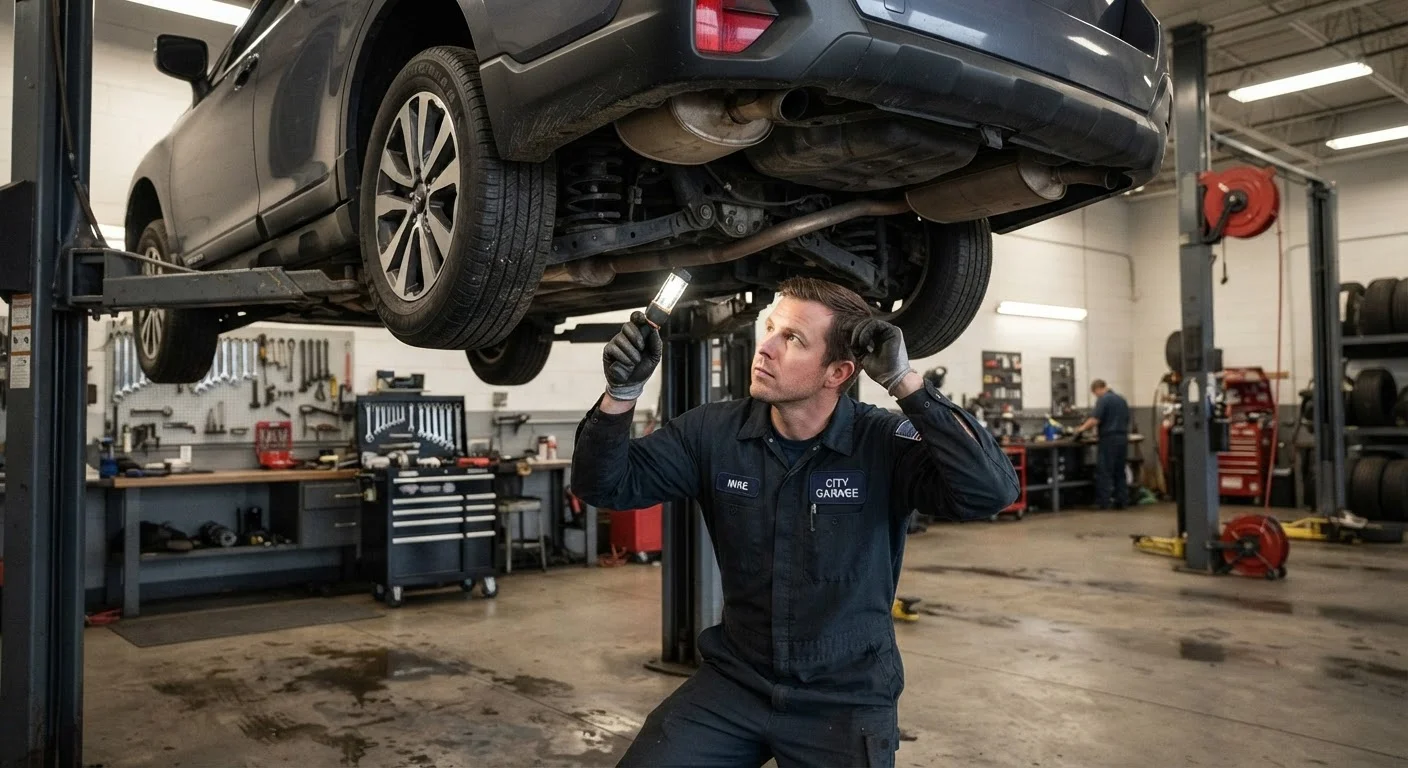
Photo: ReadersChronicle.com | Your Comprehensive Learning Destination editorial
—— In This Article
Key Takeaways
- Skipping oil changes is one of the fastest ways to cause lasting engine damage.
- Ignoring tire pressure leads to uneven wear, poor handling, and premature replacement costs.
- Short trips that never warm the engine fully accelerate internal wear over time.
- Delaying brake inspections can turn a minor pad replacement into a full rotor job.
- Neglecting coolant and other fluids is a quiet but serious threat to drivetrain longevity.
Why Routine Habits Matter More Than Single Oversights
Most cars don't fail suddenly. They wear down gradually - and often the culprit isn't one dramatic neglect but a pattern of small habits repeated over thousands of miles. The good news is that the habits doing the most damage are also among the easiest to correct once you know what to look for.
This isn't about becoming a mechanic. It's about understanding which everyday routines are quietly working against your vehicle, so you can make simple adjustments that help your car last longer and cost less to maintain. If you're newer to vehicle ownership, a foundational maintenance guide for new drivers is a useful starting point before diving deeper.
Stretching oil change intervals well past the manufacturer's recommendation.
Why it happens: Many drivers still follow the old 3,000-mile rule out of habit, then assume modern oil lasts indefinitely. Others simply lose track of mileage between services.
Consistently driving with underinflated or overinflated tires.
Why it happens: Tire pressure changes gradually with temperature and small leaks, so the problem sneaks up on drivers who don't check regularly.
Never warming the engine properly before hard acceleration on cold starts.
Why it happens: Modern fuel-injected engines don't need the long warm-ups older carbureted engines did, so drivers assume any warm-up is unnecessary and immediately push the car hard.
Ignoring brake noise or a soft pedal until it becomes an obvious problem.
Why it happens: Brake changes are gradual, and squealing sounds sometimes go away temporarily, giving drivers false reassurance that the issue resolved itself.
Skipping regular checks of coolant, transmission fluid, and brake fluid.
Why it happens: Drivers focus on oil because it's the most publicized fluid, while others go unchecked for years. Some vehicles have sealed systems that can create a false sense that fluid maintenance isn't needed.
The Real Cost of Skipping Maintenance
Each of the mistakes above shares a common thread: they seem inconsequential in the short term. A tire that's a few PSI low, an oil change pushed a bit further, brake noise that comes and goes - none of these feel urgent. But small problems compound. A $15 oil service skipped can eventually contribute to an engine repair that costs many times more.
~40%
Of engine failures linked to lubrication issues
Industry maintenance data consistently identifies inadequate lubrication as a leading cause of premature engine failure in passenger vehicles.
25%
Fuel economy loss from underinflated tires
The U.S. Department of Energy estimates that tires underinflated by just 1 PSI per tire can reduce fuel economy by about 0.2%, with larger deficits compounding the loss.
3x
Cost multiplier for ignored brake wear
Automotive service data suggests that replacing worn brake rotors alongside pads - rather than pads alone - can triple the total cost of a routine brake service.
Keeping a simple service log can help you stay on top of intervals without relying on memory. Maintenance records matter more than most drivers realize - both for catching patterns and for protecting resale value.
Low Oil Is an Emergency, Not an Inconvenience
Running an engine with critically low or degraded oil can cause irreversible damage within minutes of operation. If your oil pressure warning light illuminates, pull over safely and shut off the engine as soon as it is safe to do so. Do not continue driving to a shop without first checking the oil level. A seized engine can cost several thousand dollars to replace - far more than any routine oil service.
If you're unsure which maintenance tasks are worth doing yourself versus taking to a professional, a practical breakdown of DIY versus shop work can help you draw that line sensibly. The goal is confident, informed ownership - not expensive guesswork.
Don't Ignore Dashboard Warning Lights
Many drivers see a warning light and assume it can wait. Some lights do signal lower urgency, but others - particularly oil pressure, engine temperature, and brake system warnings - require prompt attention. Learn what each light means for your specific vehicle. See which warning lights drivers routinely dismiss for a closer look at what they actually indicate.

Cars Editorial Team
Cars Editorial Team is the collective byline for our editorial team and contributor network. Articles published under this byline or an editorial pen name are researched, written, and reviewed according to our editorial standards for clarity, consistency, and independence before publication.
View author profile