
Car Maintenance for New Drivers: Where to Begin
New to owning a car? This guide covers the fundamental upkeep tasks every driver should understand before anything goes wrong.
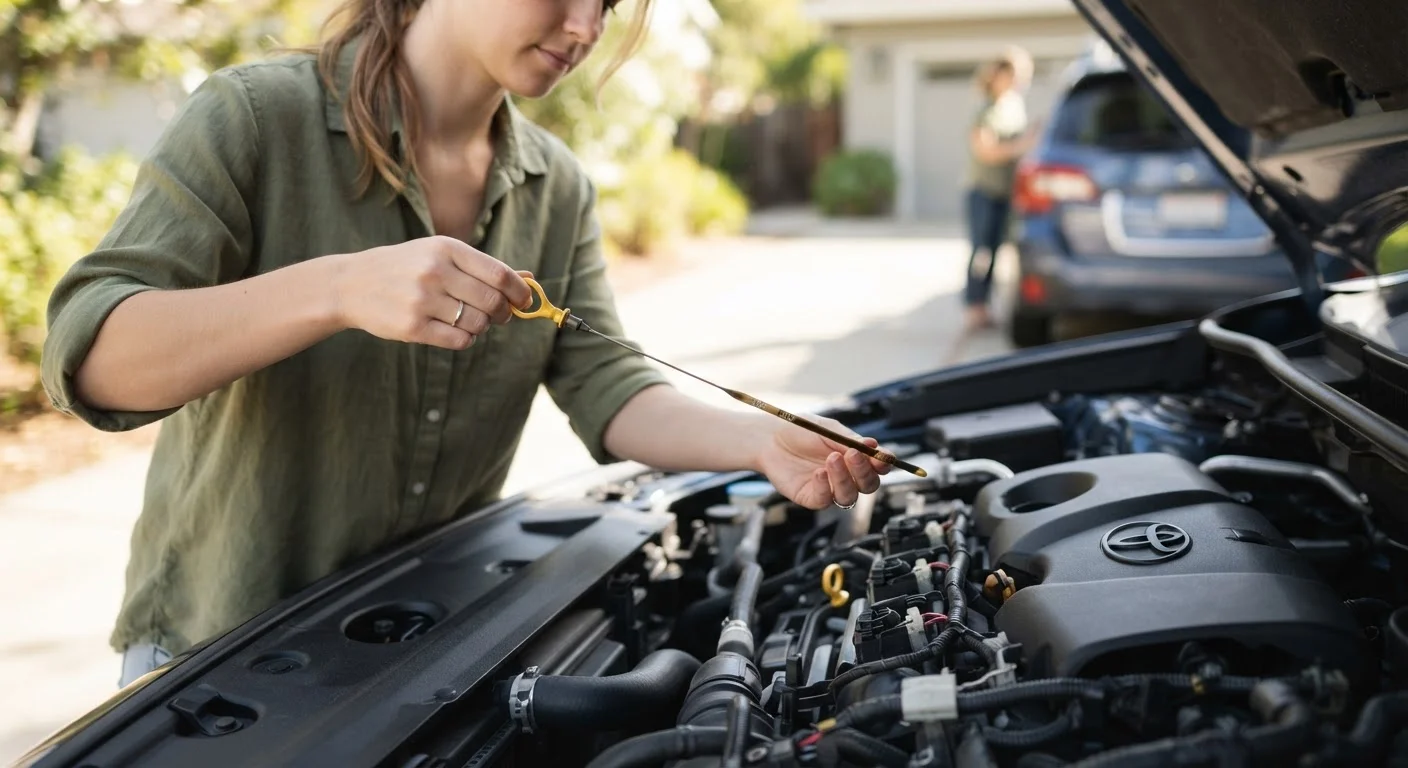
Photo: ReadersChronicle.com | Your Comprehensive Learning Destination editorial
—— In This Article
Key Takeaways
- Reading your owner's manual is the single most useful first step any new driver can take.
- Several routine checks - oil, tires, and fluids - require no tools and take only minutes.
- Ignoring small warning signs often leads to larger, costlier repairs later.
- Keeping a simple service log protects you at the shop and at resale time.
- Not every job needs a professional, but knowing the line matters for safety.
Why Basic Car Maintenance Matters
A car is likely one of the largest ongoing expenses in your budget. Keeping it running well isn't just about avoiding breakdowns - it's about protecting what you've already spent. Neglected vehicles tend to develop small problems that compound into expensive ones, and many of those problems are entirely preventable.
The good news: you don't need a mechanical background to stay on top of the basics. Understanding a handful of routine tasks and knowing when to hand the job off to a professional is genuinely enough to keep most vehicles in solid shape. Think of it less like learning a trade and more like learning the fundamentals of any home you're responsible for - much like the approach covered in building a home maintenance routine from scratch.
Owner's manual
The booklet that comes with your vehicle outlining how it works, what maintenance it needs, and at what intervals - specific to your make, model, and year.
Dipstick
A long, thin rod inserted into the engine that lets you check the oil level and condition without any tools other than a clean rag.
Tire pressure (PSI)
The amount of air inside your tires, measured in pounds per square inch. Your car has a recommended range printed on the driver's door jamb sticker.
Coolant
A liquid that circulates through your engine to prevent it from overheating; also called antifreeze. It needs to be kept at the correct level and replaced periodically.
Service interval
A manufacturer-specified mileage or time period after which a particular maintenance task - like an oil change or filter replacement - should be performed.
Service record
A log or collection of receipts documenting all maintenance and repairs performed on a vehicle, including dates and mileage at the time of service.
The Checks You Can Do Yourself
Several of the most important vehicle checks require nothing more than a few minutes and your own two hands. Make these part of a monthly habit:
- Engine oil: Locate the dipstick (usually marked with a bright handle), pull it out, wipe it, reinsert fully, then pull again to read the level. Oil should sit between the two marks and appear amber-colored, not black and gritty.
- Tire pressure: Use an inexpensive gauge to check all four tires. The target pressure is on your driver's door jamb sticker - not the number on the tire itself. Don't forget the spare.
- Coolant and washer fluid: These reservoirs are clearly labeled under the hood. Running low on coolant can cause overheating; empty washer fluid is a visibility hazard.
- Lights: Walk around the car periodically and confirm that headlights, taillights, and brake lights are working. A burned-out brake light is a safety issue and a ticketable offense in most states.
Being alert to your dashboard is equally important. Don't dismiss unfamiliar warning lights - learn what they mean. Our guide to warning lights drivers routinely ignore explains which ones signal real urgency.
Make a monthly reminder
Set a recurring reminder on your phone for the same day each month to do a quick walk-around: check your lights, peek at your tires, and open the hood for a fluid-level glance. It takes under five minutes and catches problems early, before they become expensive.
Understanding Your Owner's Manual
The single most underused tool most drivers have is sitting in their glove box. Your owner's manual contains the manufacturer's maintenance schedule - the specific mileage and time intervals for oil changes, filter replacements, brake inspections, fluid flushes, and more. These aren't arbitrary suggestions; they reflect how your particular engine and drivetrain are designed to be maintained.
If the manual feels dense, focus on the maintenance schedule section first. It's typically a straightforward table. Our article on decoding your car's maintenance schedule walks through what each service milestone actually involves and why skipping one tends to cost more later.
Two schedules, not one
Many owner's manuals include both a 'normal' and a 'severe' maintenance schedule. Severe driving conditions include frequent short trips under five miles, dusty environments, extreme temperatures, or towing. If your driving matches any of those, you may need more frequent servicing than the standard intervals suggest.
When to Call a Mechanic
Some jobs belong in the hands of a professional. Brake system work, suspension repairs, anything involving electrical systems, and most engine or transmission jobs require specialized tools and training. Attempting complex repairs without experience can create safety hazards or worsen the original problem.
The practical question isn't whether to use a mechanic - it's knowing where the line sits for your own skill level. Our breakdown of DIY car maintenance vs. taking it to a shop gives a clear picture of what most drivers can handle and what genuinely needs a pro.
When you do take your vehicle in, bring any service records you have. Mechanics can diagnose problems faster with a documented history, and shops are less likely to recommend unnecessary work when you demonstrate you're tracking the vehicle's record.
Don't ignore battery warning signs
A slow engine crank, dimming interior lights, or a battery warning light are signs your battery may be weakening. Batteries typically last three to five years, but heat and frequent short trips accelerate wear. Getting it tested costs little and can prevent being stranded. Learn more in our guide to car battery basics.
Building a Simple Maintenance Habit
Consistency matters more than perfection. Even a basic system - monthly visual checks, following the owner's manual schedule, and keeping a simple log of service dates and mileage - puts you well ahead of drivers who only respond to problems after they appear.
A service log doesn't need to be elaborate. A notes app or a small notebook in the glovebox works fine. Record the date, mileage, and what was done. This habit pays off in multiple ways: it helps catch recurring issues, makes warranty claims easier, and adds genuine value if you sell the car. For more on why this matters, see why keeping maintenance records matters more than most drivers think.
It's also worth understanding that some common habits - like ignoring minor leaks or skipping tire rotations - quietly shorten a vehicle's lifespan. Maintenance habits that quietly shorten a car's life is a worthwhile read once you have the basics down. Pair solid upkeep with appropriate coverage, and you're genuinely protected - our auto insurance overview is a useful next step for understanding your financial safety net.
This article provides general educational information about vehicle maintenance. It is not a substitute for advice from a qualified mechanic. Always consult a licensed professional for repairs or if you are unsure about a vehicle's condition.
Frequently Asked Questions

Cars Editorial Team
Cars Editorial Team is the collective byline for our editorial team and contributor network. Articles published under this byline or an editorial pen name are researched, written, and reviewed according to our editorial standards for clarity, consistency, and independence before publication.
View author profile