
Warning Lights That Drivers Routinely Ignore (and Shouldn't)
Dashboard warning lights aren't all equal in urgency. Here's what the most frequently dismissed ones actually indicate for your vehicle.
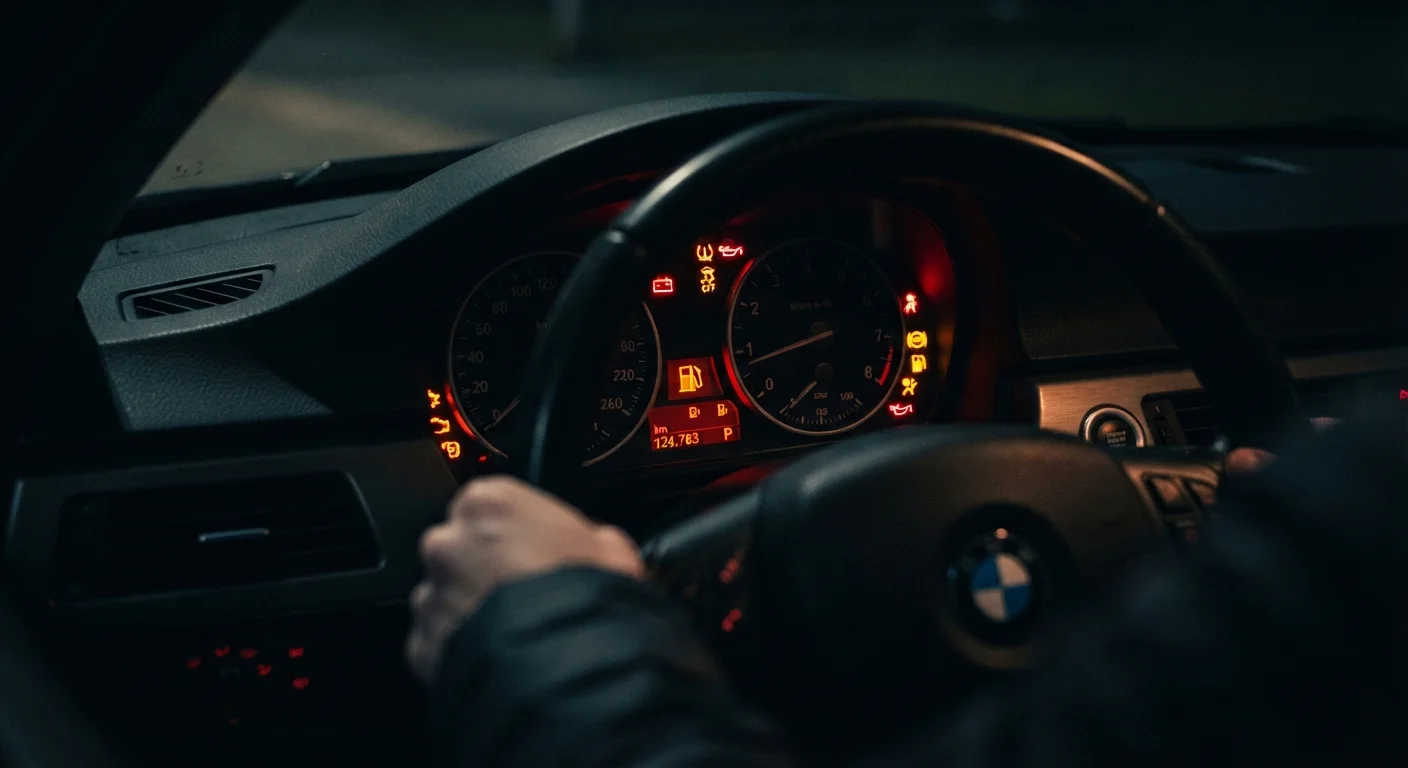
Photo: ReadersChronicle.com | Your Comprehensive Learning Destination editorial
—— In This Article
Key Takeaways
- Some warning lights indicate immediate danger; others give you a short window to act before damage occurs.
- Ignoring certain lights - like low oil pressure or overheating - can result in expensive engine damage within minutes.
- Many dismissed lights, such as TPMS or the battery warning, have straightforward fixes that prevent larger failures.
- When in doubt, consult a qualified mechanic rather than waiting to see if the light goes away on its own.
Why Drivers Tune Out Their Own Dashboard
It happens gradually. A light flickers on, nothing feels wrong, and life gets busy. Days turn into weeks. The light becomes part of the scenery. For a lot of drivers, dashboard warning lights fall into a mental category somewhere between a smoke alarm with a dying battery and a check engine light that's been on so long it feels normal.
The problem is that modern vehicles use those lights as the first - and sometimes only - signal that something is quietly going wrong. By the time you hear a noise or feel a change in handling, the damage may already be done. And repair bills have a way of being far larger when a small problem is left to compound.
This list covers the warning lights drivers most commonly dismiss, what each one actually means, and why acting sooner rather than later nearly always costs less. For broader context on keeping up with your vehicle, see our maintenance schedule guide.
Low Tire Pressure (TPMS)
The TPMS light - typically an exclamation point inside a tire cross-section - is one of the most ignored lights on the road, partly because it triggers so often and partly because cars with slightly low tires usually still drive fine. But underinflated tires wear unevenly, reduce fuel efficiency, and are more likely to fail at high speeds. In cold weather, tire pressure drops naturally, which explains why this light appears frequently in winter without an obvious cause. Check and correct pressure before dismissing the light.
Underinflated tires wear unevenly and are more likely to fail at speed.
Check Engine Light
This is the light drivers are most likely to normalize. It covers a vast range of conditions - from a loose gas cap to misfiring cylinders to catalytic converter failure. Because it can mean almost anything and sometimes triggers without any noticeable driving change, many people leave it on indefinitely. That's a mistake. Without a diagnostic scan (available at many auto parts stores for free, or through a mechanic), you're guessing. Some causes are minor; others will silently worsen and affect emissions compliance, fuel economy, or engine health. A steady check engine light warrants investigation; a flashing one means pull over and call for help.
A flashing check engine light means pull over - it signals an active, potentially damaging misfire.
Oil Pressure Warning
This light - often an oil can icon - is one of the few that requires immediate attention. Low oil pressure means your engine's moving parts aren't being adequately lubricated. Driving even a short distance with this light on can cause severe internal engine damage within minutes. If it illuminates while driving, the safest course is to pull over safely as soon as possible, turn off the engine, and check the oil level before proceeding. Don't assume it's just a sensor issue. For a refresher on checking oil and other fluids yourself, see our fluid checks guide.
Low oil pressure can destroy an engine in minutes - this light demands immediate action.
Coolant Temperature Warning
When your engine temperature gauge climbs into the red or a dedicated coolant warning light appears, the engine is overheating. This is serious. Continued driving risks warping the cylinder head, blowing a head gasket, or seizing the engine - all of which are among the most expensive repairs a vehicle can need. The safest response is to pull over, let the engine cool completely, and check the coolant level only once the engine is cold. Never remove a radiator cap from a hot engine. If coolant is low, there's likely a leak that needs professional diagnosis.
A warped cylinder head from overheating can cost thousands - stop driving immediately.
Battery / Charging System Warning
The battery light doesn't necessarily mean the battery itself is failing - it often points to the alternator, which charges the battery while the engine runs. When this light comes on, your vehicle may be running entirely on battery reserve. Depending on how much charge remains, you might have anywhere from a few minutes to a half hour before the car stalls completely. Don't assume you can make it home safely without risk. Have the charging system tested promptly; a failed alternator left unaddressed will eventually strand you.
The battery light often signals an alternator problem - your car may be running on reserve power only.
Brake System Warning Light
There are two brake-related lights to know. One simply indicates the parking brake is engaged - easy to miss if you forgot to fully release it. The other signals a potential issue with the braking system itself, such as low brake fluid, a hydraulic fault, or brake pad wear sensors on some vehicles. If the light stays on after releasing the parking brake, treat it as a safety issue, not a nuisance. Brakes are not a system to defer on. For a related issue many drivers encounter, our guide on brake squealing and what it means covers common warning signs.
A brake warning light that stays on after releasing the parking brake needs professional inspection promptly.
Transmission Temperature Warning
Less common but equally important, this light indicates your transmission fluid is running too hot. Transmissions are expensive to rebuild or replace - often several thousand dollars - and heat is one of their primary enemies. The light can appear during heavy towing, driving in mountainous terrain, or when transmission fluid is low or degraded. If it comes on, reducing load, pulling over to let things cool, and having the fluid level and condition inspected are the right moves. Ignoring it repeatedly shortens transmission life significantly.
Transmission heat buildup is a leading cause of premature transmission failure - don't dismiss this light.
The Cost of Waiting
A recurring theme across all of these lights is that early action is almost always cheaper than delayed action. A low tire costs nothing to inflate. A coolant top-off costs a few dollars. Waiting until the engine overheats or a tire blows at highway speed turns a minor errand into a serious repair - or worse.
Keep a Simple Dashboard Light Reference
Take a photo of your owner's manual's warning light page and save it in your phone's photos. Many lights use standardized icons across manufacturers, but not all - and color matters too. Red generally means stop or act immediately; amber typically means investigate soon. Having that reference handy means you won't be guessing on the side of the road.
If you're unsure what a particular light means for your specific vehicle, your owner's manual is the most reliable first stop. Many modern vehicles also display plain-language descriptions through the infotainment screen when a light activates. When a light comes on and you're not certain of the cause, having a mechanic run a diagnostic scan is a low-cost way to get a clear answer before assuming it's minor. And for a broader look at habits that quietly wear vehicles down over time, our article on maintenance habits that shorten a car's life is worth a read.

Cars Editorial Team
Cars Editorial Team is the collective byline for our editorial team and contributor network. Articles published under this byline or an editorial pen name are researched, written, and reviewed according to our editorial standards for clarity, consistency, and independence before publication.
View author profile