
Keeping Maintenance Records: Why It Matters More Than Most Drivers Think
A well-documented service history has real value — for diagnostics, resale, and peace of mind. Here's what to track and how to do it simply.
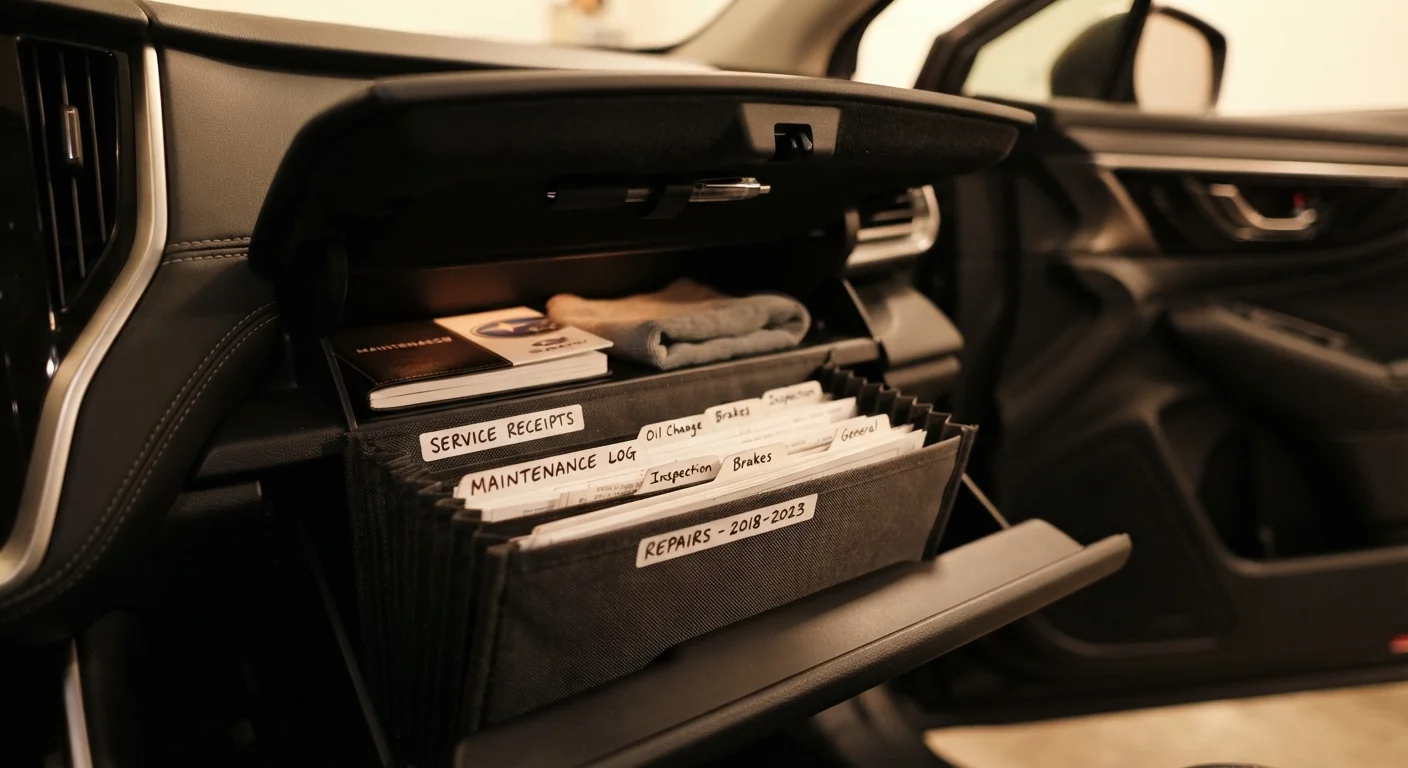
Photo: ReadersChronicle.com | Your Comprehensive Learning Destination editorial
—— In This Article
Key Takeaways
- A complete service history can meaningfully increase a vehicle's resale value and buyer confidence.
- Records help mechanics diagnose problems faster, potentially reducing your repair bill.
- Tracking maintenance is simple - a notebook, folder of receipts, or free app all work.
- Gaps in documentation can trigger warranty disputes and complicate insurance or legal claims.
- You don't need perfect records - consistent, honest notes are far better than nothing.
Why Most Drivers Skip This Step
Most drivers pay attention to oil changes and tire rotations but never write a single thing down. It feels like extra work for a reward you can't see yet. The trouble is, the value of maintenance records shows up all at once - when you sell the car, when something breaks, or when a warranty claim is disputed - and by then it's too late to reconstruct what happened.
Vehicle history reports (see our guide on what history reports reveal and miss) capture accidents and some dealer services, but they routinely miss oil changes, fluid flushes, and work done at independent shops. Your own records fill that gap.
“The single best thing a used-car buyer can receive is a folder of receipts. It tells you more about how a car was treated than any inspection.”
— Consumer vehicle research community consensus, Widely cited principle among automotive consumer advocates
What Good Records Actually Include
You don't need a spreadsheet or specialized software. A simple log - physical or digital - should capture five things for every service visit:
- Date and mileage at the time of service
- What was done (oil change, brake pad replacement, tire rotation, etc.)
- Parts used, if relevant (especially for filters, belts, or fluids)
- Who did the work - shop name or "self-performed"
- Cost paid, even a rough figure
Receipts from shops already contain most of this. Save them in a zip-lock bag in the glove box, photograph them with your phone, or forward emailed receipts to a dedicated folder. For work you do yourself, jot the basics in a notes app. That's genuinely all it takes.
If you're still figuring out what services your car needs and when, the maintenance schedule guide breaks down every major interval in plain language.
The Two-Minute Rule for Receipts
Every time you leave a shop, take two minutes to photograph the invoice before putting it in your pocket. Even if the paper copy gets lost, you'll have a dated image with the mileage and service details. This one habit closes the most common gap in service histories.
Best Practices for Keeping Records Consistently
Quick Ways to Start Today
If you have zero records right now, don't let that stop you. Starting today with an incomplete history is still better than having nothing going forward. A partial record documents what you have done and signals to future buyers or mechanics that you're the kind of owner who pays attention.
New drivers especially benefit from building this habit early - our car maintenance guide for new drivers covers the foundational tasks worth logging from day one.
The Resale and Diagnostic Payoff
When it's time to sell, a documented service history reassures private buyers and dealers alike. It shifts negotiating leverage in your favor because it removes uncertainty. Buyers who can see that a timing belt was replaced at the correct interval, or that coolant flushes happened on schedule, don't need to price in as much risk.
Up to $1,000+
Estimated resale premium for documented service history
Industry appraisers and consumer automotive researchers consistently note that verifiable maintenance records can meaningfully increase private-party sale prices, though exact figures vary by vehicle age, condition, and market.
~30%
Shop repair time potentially saved with prior service history
Mechanics report that knowing a vehicle's documented history - especially fluid change intervals - can reduce diagnostic time significantly, translating directly to lower labor costs for the owner.
The diagnostic benefit is equally real. A mechanic who can see that your transmission fluid was last changed 80,000 miles ago - or never - has a head start on finding the source of a problem. That head start saves labor time, which saves you money.
Consistent records also protect you when something fails under warranty. Manufacturers can deny powertrain warranty claims if they believe required maintenance wasn't performed. Your records are your evidence. The same logic applies to disputes with shops over repeat failures - a clear paper trail documents when a repair was done and what was promised.
It's also worth noting that some of the most damaging oversights are the quiet ones. The habits that quietly shorten a car's life are often the ones no one thought to write down.
This article is for general informational purposes only. Always consult a qualified mechanic for guidance specific to your vehicle's condition and needs.

Cars Editorial Team
Cars Editorial Team is the collective byline for our editorial team and contributor network. Articles published under this byline or an editorial pen name are researched, written, and reviewed according to our editorial standards for clarity, consistency, and independence before publication.
View author profile