
Gadgets That Tend to Earn Their Place in a Small Home
A curated look at categories of consumer electronics that tend to genuinely pull their weight in smaller living spaces, with context on why each earns its spot.
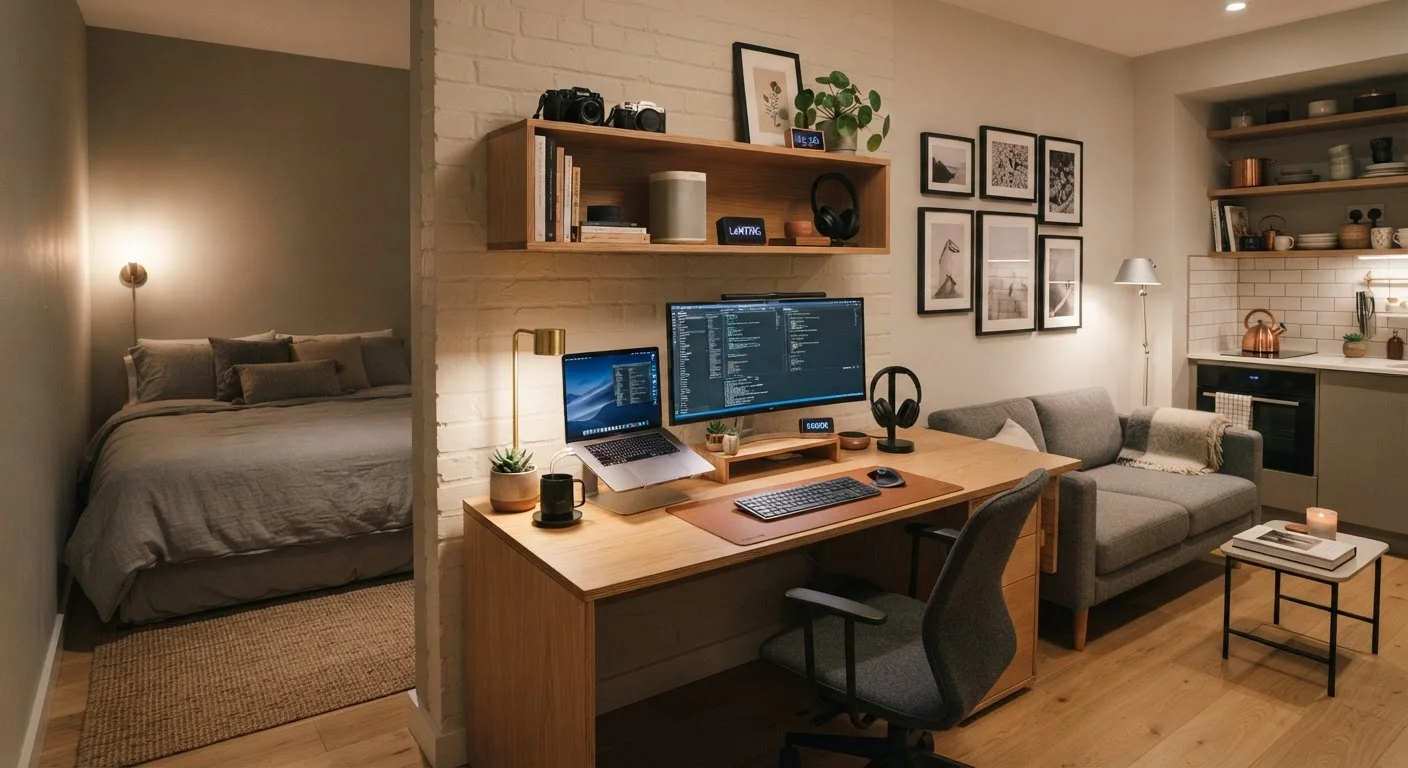
Photo: ReadersChronicle.com | Your Comprehensive Learning Destination editorial
—— In This Article
Key Takeaways
- Small spaces reward gadgets that serve multiple functions rather than single-purpose devices.
- Some electronics genuinely reduce clutter by replacing several analog or bulkier alternatives.
- Understanding what a device actually does day-to-day helps avoid buyer's remorse in tight quarters.
- Connectivity and compatibility matter more in small homes where devices often share one network.
- Long-term running costs - energy use, subscriptions, consumables - factor into real value.
Why Gadget Selection Matters More When Space Is Limited
In a sprawling house, an underused gadget just gathers dust in a spare room. In a studio apartment or compact home, it eats into the limited counter, shelf, or floor space you actually need. That pressure is useful - it forces more honest questions about whether a device genuinely improves daily life or just seemed appealing in a store.
The categories below aren't ranked or endorsed. They're a practical look at the types of electronics that tend to justify their footprint in smaller living situations - and a short explanation of why each one tends to work well. If you're new to some of the terminology involved, the Plain-English Glossary of Consumer Electronics Terms is a helpful starting point before you shop.
Smart speakers with voice assistants
A compact smart speaker can replace a standalone alarm clock, a Bluetooth speaker, a kitchen timer, a radio, and a basic home-control hub - all in a package roughly the size of a coffee mug. In a small home where every surface counts, that consolidation matters.
Voice control also reduces the need to navigate multiple apps or physical remotes, which simplifies daily routines. The trade-off worth knowing: these devices are always listening for a wake word, which is a privacy consideration for some users. Reviewing the privacy settings and microphone mute options before setup is a reasonable step.
A single smart speaker can quietly replace five or six dedicated single-purpose devices.
Compact air purifiers
Small homes have less air volume to circulate, which means airborne particulates - dust, pet dander, cooking odors - concentrate faster. A compact HEPA-filter air purifier sized appropriately for a room's square footage can meaningfully improve air quality without the bulk of an older console-style unit.
Look at the CADR rating, which tells you how quickly a unit filters a given volume of air. A unit rated for a larger room than you have will run at lower speeds and quieter noise levels - useful for studio apartments where the bedroom and living area are the same room.
Matching a purifier's CADR rating to your actual room size affects both performance and noise level.
All-in-one printers with scanner lids
For anyone who occasionally needs to print, copy, or scan documents - leases, tax forms, medical paperwork - a small all-in-one printer eliminates the need to visit a print shop for routine tasks. Modern compact models have shrunk considerably and can fit on a standard shelf.
Wireless printing from a phone or laptop means no cables running across a small desk. Before buying, check the cost per page for ink or toner refills - some inexpensive printers have expensive consumables that add up quickly over time, which affects the true long-term cost of ownership.
Consumable costs - ink and toner - often matter more than the purchase price over a printer's life.
Robot vacuums
In a small, open-plan home, a robot vacuum can handle daily floor maintenance with almost no intervention. Because small spaces have fewer rooms and transitions, navigation tends to be simpler and the device covers its territory more efficiently than in a sprawling layout.
The practical benefit isn't just cleanliness - it's time. Daily automated passes mean less visible dust accumulation and less frequent need for a full manual vacuum session. Units with self-emptying bases reduce the maintenance burden further, though they add to the footprint and upfront cost.
Smaller floor plans give robot vacuums less to navigate, making them especially effective in compact homes.
Smart plugs and power strips
Smart plugs are among the lowest-cost, lowest-footprint ways to add a degree of home automation. Plugging a lamp, a fan, or a space heater into a smart plug allows scheduling and remote control without rewiring anything or committing to a larger smart home system.
Energy-monitoring smart plugs go a step further by showing actual power consumption per device - useful for identifying which appliances are quietly driving up an electricity bill. In a small home where a handful of devices share limited outlet space, a smart power strip with individual switchable sockets also adds safety flexibility by letting you cut power to specific devices without unplugging them.
Energy-monitoring smart plugs can reveal surprising power draws from devices you assumed were low-consumption.
Streaming sticks or small media players
A streaming stick plugged into any HDMI-equipped television transforms it into a full-featured smart TV without replacing the set. For renters or anyone working with an older television, this is a practical alternative to buying new hardware.
The form factor is nearly invisible - most hang behind the TV entirely - which suits small spaces well. The ongoing cost to evaluate honestly is the subscription stack: streaming services can multiply quickly, and the combined monthly total is worth tracking. The device itself is inexpensive; the content access is the real recurring cost.
A streaming stick's hidden cost is the subscription stack - track services actively to avoid gradual bill creep.
Making the Most of What You Choose
Selecting the right category of gadget is only half the equation. How you use and maintain what you own determines how long it stays useful. Everyday habits - like where you charge devices, whether you keep software current, and how you handle heat and dust - have a measurable effect on lifespan. The habits that quietly shorten your device's lifespan are worth reviewing once you've made a purchase.
It's also worth thinking beyond the gadgets themselves. If you're evaluating a small home or apartment, some of the infrastructure decisions - outlet placement, ventilation, existing wiring - are easy to overlook during a tour. The article on things first-time buyers overlook when touring a home covers exactly this kind of practical detail.
Check Running Costs Before You Commit
The sticker price of a gadget is rarely the whole picture. Factor in electricity draw, replacement consumables (filters, ink, bags), and any subscription fees the device requires to function fully. In a small home on a tight budget, a device with low upfront cost but high ongoing costs can quietly become a poor value. A quick search for a model's annual energy use or consumable costs takes minutes and can meaningfully inform the decision.
Finally, if smart home gadgets are part of your plan, it helps to understand how those devices actually communicate before you start layering them into a small space. Smart Home Devices From the Ground Up explains the fundamentals without assuming prior experience.

Tech Editorial Team
Tech Editorial Team is the collective byline for our editorial team and contributor network. Articles published under this byline or an editorial pen name are researched, written, and reviewed according to our editorial standards for clarity, consistency, and independence before publication.
View author profile