
Things First-Time Buyers Overlook When Touring a Home
Beyond curb appeal and square footage, there are structural and practical details easy to miss — and expensive to fix later.
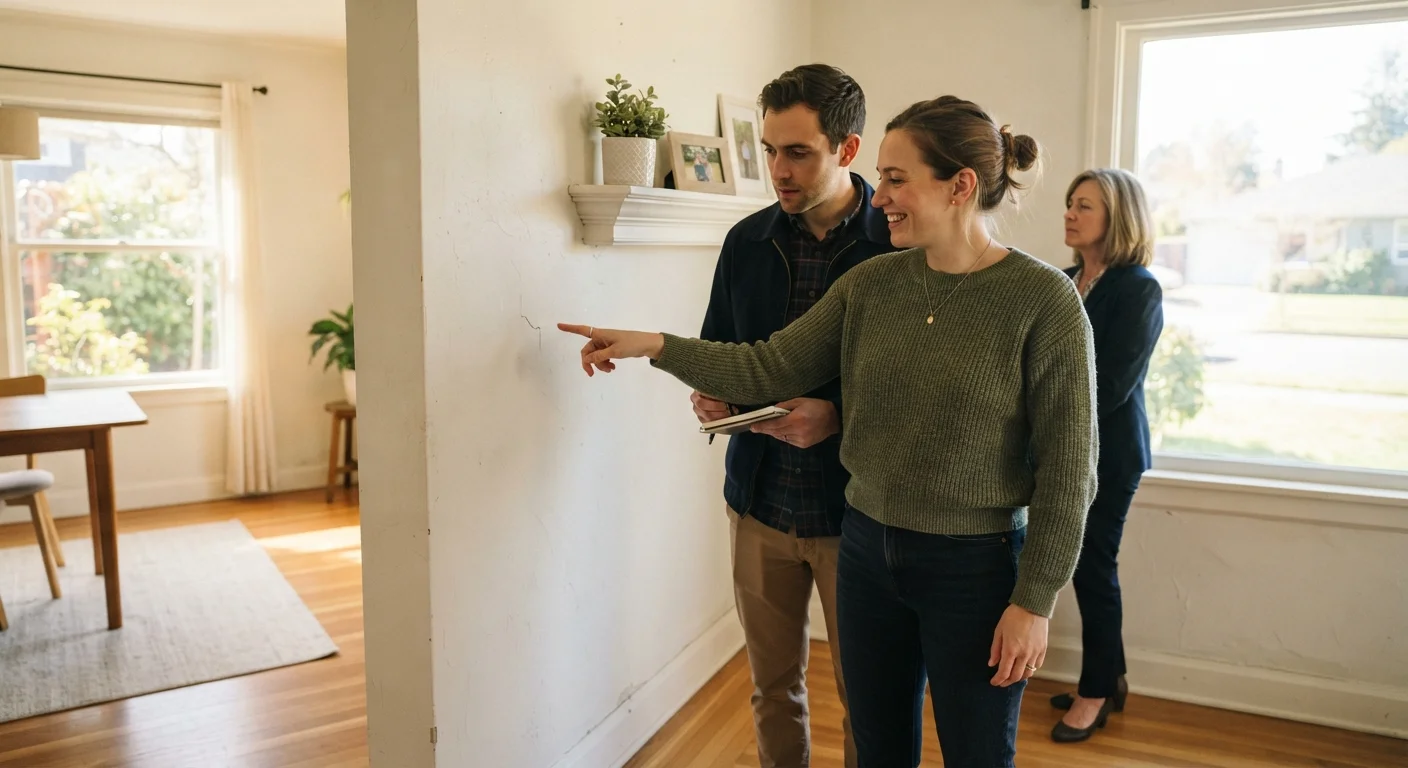
Photo: ReadersChronicle.com | Your Comprehensive Learning Destination editorial
—— In This Article
Key Takeaways
- First-time buyers often focus on aesthetics and miss structural or mechanical red flags.
- Water damage, electrical issues, and drainage problems are among the most expensive surprises post-closing.
- A professional home inspection is essential, but knowing what to look for during tours helps you ask better questions.
- Unpermitted additions and outdated systems can affect financing, insurance, and resale value.
- Taking notes and photos during every tour helps you compare properties accurately later.
Why First-Time Buyers Miss the Details That Matter Most
Walking through a home for the first time is an emotional experience. The staging, the natural light, the freshly painted walls - it all pulls your attention toward the positive. That's not an accident. Sellers and their agents present homes to create an impression, not to invite scrutiny.
First-time buyers are especially vulnerable to this effect because they haven't yet built the habit of looking past surface appeal. If you're new to the process, our plain-language guide to homebuying terms can help you feel more grounded before you step through the door.
The mistakes below aren't about being pessimistic - they're about looking at a home the way you'll feel about it after six months of ownership, not six minutes of touring.
A Tour Is Not a Substitute for an Inspection
Even if a home looks flawless during a showing, a licensed home inspector can uncover issues invisible to the untrained eye. Always schedule a professional inspection before finalizing any purchase. To understand what that process actually covers, see what a home inspector actually examines.
Common Oversights During a Home Tour - and How to Correct Them
The following mistakes appear repeatedly among first-time buyers. Each one involves something that feels minor in the moment but can carry a significant price tag after closing.
Ignoring water stains, soft spots, or musty odors.
Why it happens: Fresh paint or cosmetic updates can mask moisture damage, and buyers are often distracted by the overall look of a room rather than its surfaces.
Not testing outlets, switches, and the electrical panel.
Why it happens: Buyers assume that if the lights are on, the electrical system is fine. Outdated panels or ungrounded outlets rarely show obvious signs during a casual walk-through.
Overlooking the condition of the roof and gutters.
Why it happens: Most buyers never look up - and a brief exterior glance rarely reveals missing shingles, worn flashing, or sagging sections.
Failing to check water pressure and drainage in kitchens and bathrooms.
Why it happens: Buyers rarely think to run multiple faucets simultaneously or flush a toilet, and sellers are not likely to invite that scrutiny.
Not asking about the age and service history of major systems.
Why it happens: HVAC units, water heaters, and appliances that appear to work fine can be near the end of their service life, and sellers are not always forthcoming unless asked directly.
Accepting square footage and room counts at face value without verifying layout functionality.
Why it happens: Listing photos are staged and shot with wide-angle lenses, making spaces appear larger and more functional than they are in person.
Unpermitted Work Can Create Serious Problems
Additions, finished basements, or electrical upgrades done without permits may not meet local building codes. This can affect your mortgage approval, homeowner's insurance, and ability to resell. Learn more about the risks in our article on the hidden costs of skipping a permit on home renovations.
One habit that helps across all of these: take notes and photos during every tour. Memory is unreliable when you're emotionally engaged, and having documented observations makes it easier to compare properties and bring focused questions to your home inspector. The inspection process is your last clear opportunity to surface problems before you're legally bound to the purchase.
Understanding ongoing maintenance obligations matters too - especially if the home has deferred upkeep. Our overview of home maintenance myths that could cost you money is worth reading before you close.
~37%
Buyers who discover surprise repair issues post-closing
A survey by Porch.com found that roughly 37% of homeowners encountered unexpected major repairs shortly after purchase, with roofing and plumbing among the most common.
$4,000-$10,000+
Typical cost to replace an HVAC system
According to HomeAdvisor cost data, full HVAC system replacement in the US commonly ranges from $4,000 to over $10,000 depending on system type, home size, and region.
~$400
Average home inspection cost
The American Society of Home Inspectors (ASHI) reports that most general home inspections cost between $300 and $500, varying by property size and location.

Real Estate Basics Editorial Team
Real Estate Basics Editorial Team is the collective byline for our editorial team and contributor network. Articles published under this byline or an editorial pen name are researched, written, and reviewed according to our editorial standards for clarity, consistency, and independence before publication.
View author profile