
Why Small Roof Leaks Become Big Problems Faster Than You'd Expect
Understand how a minor roof leak escalates into structural damage and mold — and what early warning signs homeowners should never ignore.
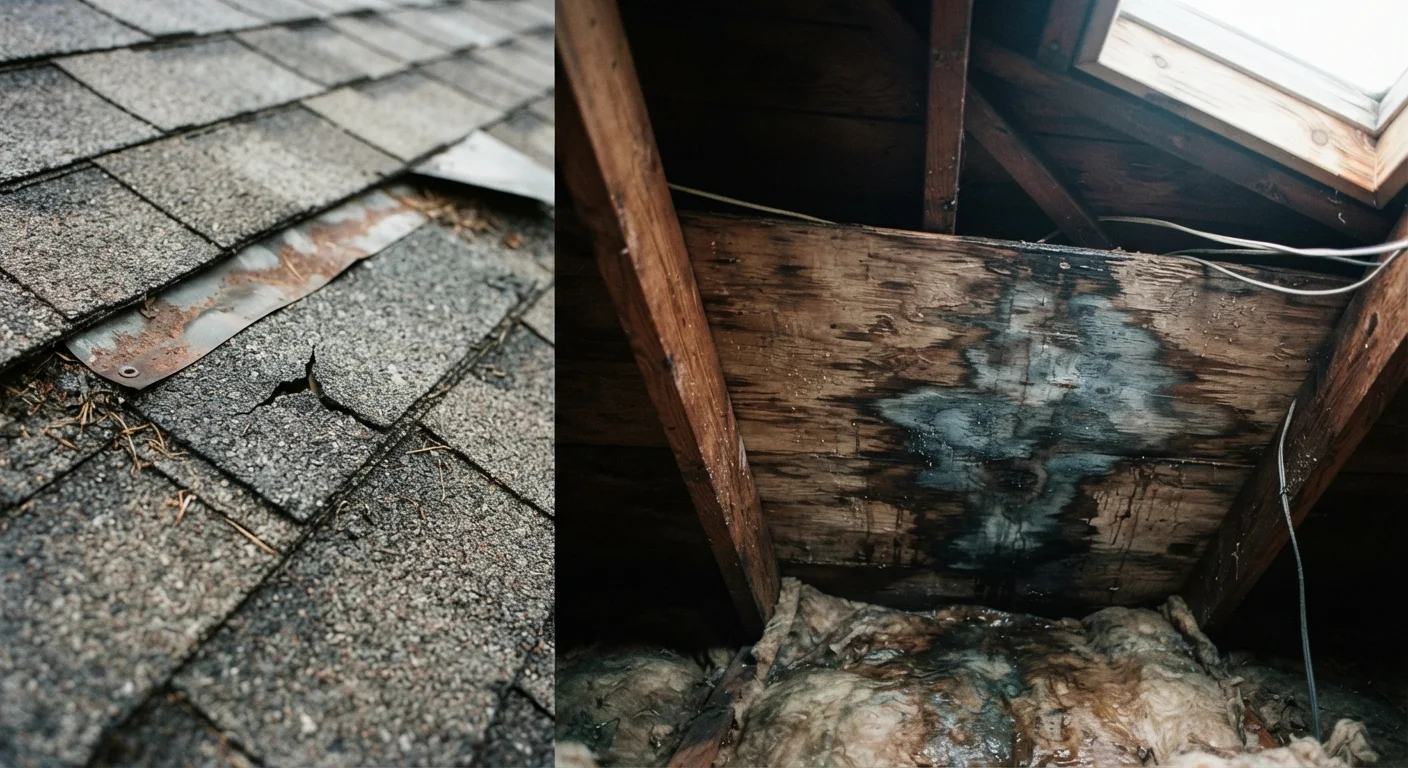
Photo: ReadersChronicle.com | Your Comprehensive Learning Destination editorial
—— In This Article
Key Takeaways
- A roof leak can travel several feet from its entry point before appearing as a ceiling stain.
- Mold can begin growing in wet insulation or wood within 24 to 48 hours of moisture exposure.
- Structural wood rot from prolonged leaks can compromise rafters and sheathing, requiring costly replacement.
- Many homeowners' insurance policies may limit or deny claims if a leak is deemed a result of neglected maintenance.
- Annual roof inspections and prompt minor repairs are among the most cost-effective home maintenance habits.
The Hidden Path Water Takes Through Your Home
When water finds a gap in your roof - whether it's a cracked shingle, deteriorated flashing around a chimney, or a failed seal around a vent pipe - it rarely drops straight down through your ceiling. Instead, it follows gravity along whatever surface it contacts: roof decking, rafters, insulation batts, top plates of walls. A leak entering over your bedroom may first show up as a stain in your hallway or closet, sometimes several feet away.
This is the first reason small leaks become big problems: the visible damage rarely marks the actual source. Homeowners often patch the wrong spot, or underestimate how wide the wet zone has spread inside the wall or attic cavity.
Where Water Enters vs. Where Damage Appears
Because water travels along structural surfaces before dripping down, the entry point on the roof can be several feet away from the ceiling stain below. When pointing out a suspected leak to a roofing contractor, share photos of both the interior stain and its location relative to roof features - dormers, vents, chimneys, and valleys are among the most common leak sources.
The attic is typically the first space water saturates. Checking your attic after heavy rain - looking for wet insulation, dark staining on rafters, or visible daylight through boards - is one of the most effective early-detection habits a homeowner can develop.
Why the Damage Compounds So Quickly
Water damage to a home is not a straight line - it accelerates. Here's the progression that plays out in many homes with an unaddressed leak:
- Insulation becomes saturated. Wet insulation loses its thermal value and holds moisture against wood framing for weeks or months, even after the rain stops.
- Mold colonizes within 24-48 hours. Warm attic temperatures and organic materials (wood, drywall, insulation facing) create ideal growing conditions. Mold remediation is a separate and significant cost on top of the repair itself.
- Wood begins to rot. Prolonged moisture exposure softens and weakens rafters, sheathing, and ceiling joists. At this stage, the repair shifts from a roofing job to a structural one - a far more expensive undertaking.
- Ceiling drywall and finishes fail. Staining, bubbling, and eventual collapse of saturated drywall create interior damage requiring patching, repainting, or full replacement.
As noted in our article on deferred maintenance and escalating repair costs, the pattern is consistent: small problems left unaddressed rarely stay small.
24-48 hrs
Time for mold to begin growing in wet building materials
The EPA notes that mold can begin growing on wet surfaces within 24 to 48 hours under typical indoor conditions.
~40%
Of home insurance claims related to water and freezing damage
According to the Insurance Information Institute, water damage and freezing represent one of the most common categories of homeowner insurance claims.
10x
Potential cost increase when leak repair is delayed significantly
Roofing industry professionals and home inspectors commonly cite that addressing a leak at the flashing or shingle stage costs a fraction of what structural wood rot and mold remediation require.
Warning Signs Homeowners Should Never Ignore
Many roof leaks give early, subtle signals well before a ceiling caves or mold becomes visible. Learning to recognize these signs - and taking them seriously - is where most repair savings are found.
- Brown or yellowish ceiling stains: Even a small ring-shaped stain indicates water has reached your ceiling drywall. The stain you see is almost always smaller than the wet area above it.
- Musty odor in upper rooms or attic: A persistent musty smell without an obvious source often signals mold growing inside a wall or above the ceiling.
- Peeling paint on ceilings or high on walls: Paint lifts and bubbles when moisture is trapped behind it - a reliable sign of water intrusion nearby.
- Granules from asphalt shingles in gutters: Heavy granule loss signals aging shingles that are losing their protective layer and becoming more vulnerable to leaks. This is also covered in our guide on routine gutter care and what it reveals about your roof's condition.
- Daylight visible through attic boards: If light gets in, so does water and cold air.
Schedule a Post-Storm Attic Check
After any major wind or hail event, a quick look inside your attic with a flashlight costs nothing and can catch a fresh breach before it has time to saturate insulation or reach your ceiling. Look for daylight, wet spots, or new dark staining on rafters. If you spot any of these, call a licensed roofing professional promptly - don't wait for interior damage to confirm the problem.
What to Do When You Suspect a Leak
If you notice any of the warning signs above, the practical steps are straightforward - even if the repair itself isn't a DIY task.
Document what you find. Photograph any stains, peeling, or moisture. Note when you first observed it and whether it appears after rain or is constant. This record is useful for roofing contractors and for any insurance conversations.
Check your attic as safely as possible. From the attic hatch, use a flashlight to look for wet insulation, dark staining on rafters, or visible mold. Do not walk on unboarded attic flooring - it risks falling through the ceiling below.
Contact a licensed roofing professional promptly. Roof repairs involving structural elements, flashing, or anything beyond replacing a handful of shingles typically require professional assessment. Some work may also require permits depending on your local jurisdiction - verify requirements with your local building department before any work begins.
Don't be misled by common myths. Caulking over visible cracks from inside the attic is not a permanent repair, and temporary patches may give a false sense of security while water continues to enter through a deeper breach. Our article on home repair myths that cost homeowners real money covers similar misconceptions in detail.
If you're buying a home, note that roof condition is one of the most frequently overlooked items during tours - something covered in our guide on what first-time buyers miss when touring a home.
Frequently Asked Questions

Home Editorial Team
Home Editorial Team is the collective byline for our editorial team and contributor network. Articles published under this byline or an editorial pen name are researched, written, and reviewed according to our editorial standards for clarity, consistency, and independence before publication.
View author profile