
Gutters: The Part of Your Home Most Homeowners Forget Until It's Too Late
Clogged or damaged gutters redirect water into your foundation and walls. Learn what routine gutter care involves and when to call a professional.
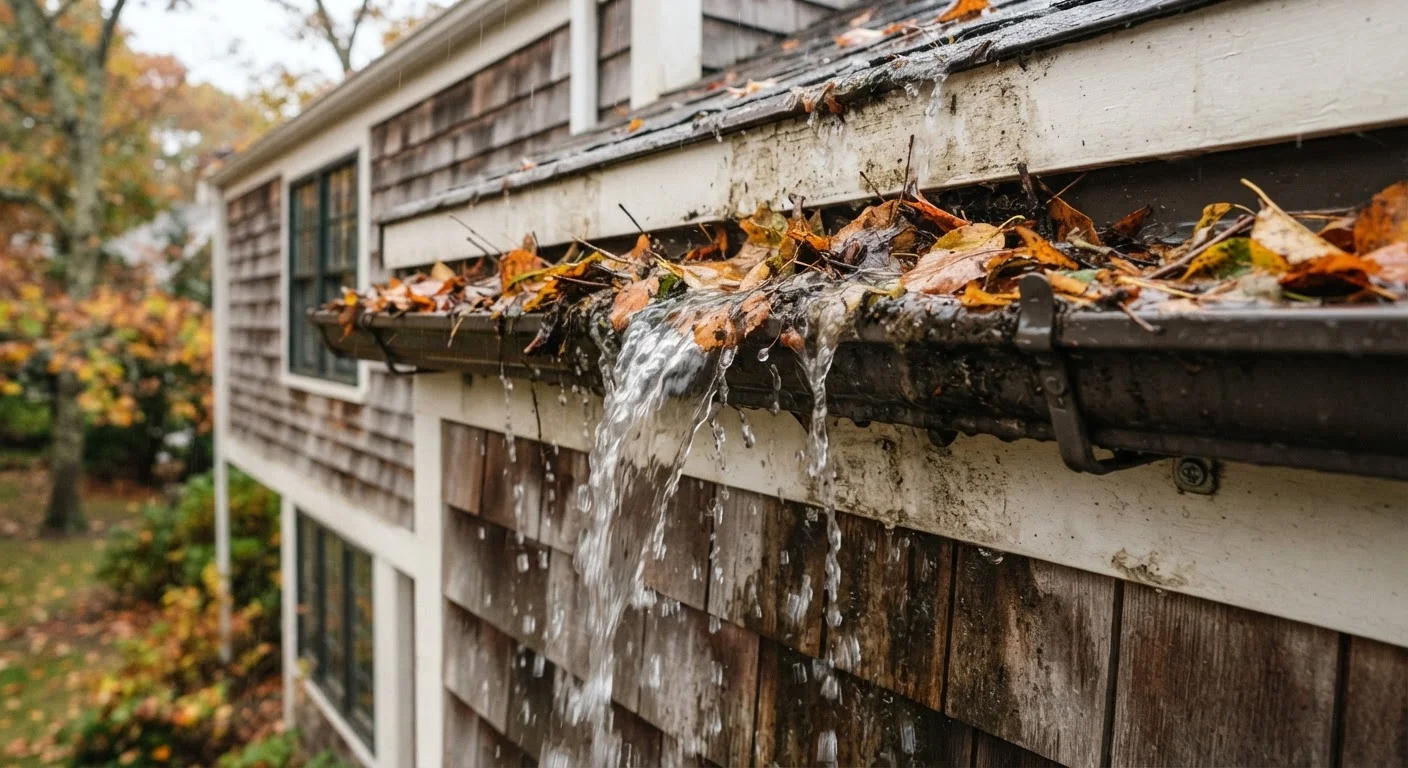
Photo: ReadersChronicle.com | Your Comprehensive Learning Destination editorial
—— In This Article
Key Takeaways
- Gutters should be cleaned at least twice a year - more often if you have overhanging trees.
- Clogged or sagging gutters can cause foundation damage, basement flooding, and wall rot.
- Most gutter cleaning is a DIY task, but damaged fascia or persistent leaks warrant a professional.
- Downspout extensions that direct water at least 4-6 feet from the foundation are a low-cost protective measure.
- Gutter guards reduce debris buildup but do not eliminate the need for periodic inspection.
Why Gutters Matter More Than Most Homeowners Think
Gutters sit at the edge of your roofline doing quiet, unglamorous work every time it rains. Their job is straightforward: collect water running off your roof and channel it away from your home's foundation, walls, and landscaping. When they work correctly, you never notice them. When they fail, you notice everything else - stained siding, flooded basements, crumbling foundation edges.
Most homeowners put gutters near the bottom of their mental maintenance list, behind furnaces, appliances, and visible interior issues. That's an understandable priority call, but it's also how a $150 cleaning job quietly becomes a $4,000 foundation repair. The cost of deferred maintenance compounds fast when water is involved.
~$4,000+
Average cost of foundation water damage repair
According to home repair cost data aggregated by major home services platforms, foundation water intrusion repairs commonly range from several thousand dollars into the tens of thousands depending on severity.
2x/year
Minimum recommended gutter cleaning frequency
Most home maintenance guidelines recommend cleaning gutters at least twice annually - typically spring and fall - with additional cleanings for heavily wooded properties.
4-6 feet
Minimum downspout extension distance from foundation
Building and drainage guidelines generally recommend downspouts discharge water at least 4 to 6 feet from a home's foundation to prevent soil saturation.
How Gutter Problems Damage Your Home
Water that overflows clogged gutters doesn't disappear - it follows the path of least resistance, and that path often leads directly into areas you don't want it. Here's how the damage typically unfolds:
- Foundation erosion: Consistent overflow deposits water at the base of your home's walls. Over years, this saturates the soil around your foundation, promoting settling, cracking, and in colder climates, freeze-thaw damage.
- Fascia and soffit rot: The fascia board (the flat board directly behind the gutter) stays wet when gutters overflow or pull away from their hangers. Wood rot in this area can compromise the gutter's attachment point entirely.
- Basement and crawl space moisture: Saturated soil around the foundation drives water through concrete pores and basement walls, leading to humidity, mold, and eventually structural problems.
- Landscaping damage: Concentrated overflow erodes garden beds and can kill plants and grass directly below the gutter line.
These failure patterns share the same root cause as small roof leaks that escalate - water finds every gap, and it's patient.
Foundation Damage Is Expensive and Slow to Reveal Itself
Water damage to a foundation rarely announces itself immediately. By the time cracks or moisture appear on basement walls, saturation may have been occurring for years. Regular gutter maintenance is one of the lowest-cost ways to protect one of your home's most expensive structural components. Don't wait for visible symptoms before acting.
Routine Gutter Maintenance: What It Involves
Gutter maintenance isn't complicated, but it does require consistency. Here's what a complete routine looks like:
Cleaning (2-4 times per year)
Remove leaves, pine needles, shingle grit, and any debris from the gutter channel. Work from the downspout outward to avoid pushing debris into the drain. A garden trowel, work gloves, and a stable ladder are the basic tools. Flush the channel with a garden hose afterward to check flow and spot any low spots where water pools.
Downspout inspection
Run water from a hose into the top of each downspout. If water backs up or drains slowly, the downspout is partially or fully blocked. A plumber's snake or a strong hose jet can usually clear the obstruction. Also confirm that downspout extensions direct water at least 4-6 feet away from the foundation.
Hanger and slope check
Gutters should slope slightly toward the downspout - roughly 1/4 inch of drop for every 10 feet of run. If sections sag or hold standing water after rain, the hangers may be loose or spaced too far apart. Resecuring hangers is generally a straightforward DIY repair.
Seam and end-cap inspection
Look for rust, separation, or dried-out sealant at seams and corners. Gutters that leak at joints can be resealed with gutter-specific sealant from the inside once the area is clean and dry.
Clean gutters after the last leaves have fallen in autumn, not before - cleaning too early means a second load of debris arrives immediately after. Wait until the trees are bare.
Timing the fall cleaning after leaf drop means the gutter stays clear through winter, when ice and snow loads are highest and blockages are most damaging.
Before climbing the ladder, run a hose along the roofline and watch where water travels. You'll often spot low spots, separated seams, or overflow points before you've touched the debris.
A quick hose test from the ground (or from a lower rung) reveals functional problems that aren't obvious from visual inspection alone, saving time and making the cleaning more targeted.
Warning Signs Your Gutters Need Attention Now
You don't need to climb a ladder to spot most early-warning signs. The following are visible from the ground or noticeable after rain:
- Water pouring over the front edge of the gutter during rain (overflow, not just drip)
- Gutters visibly pulling away from the roofline or sagging in the middle
- Peeling paint, rust stains, or dark streaks on exterior siding below the gutter line
- Pooling water or soil erosion directly below the gutter
- Mildew or moisture smell in basements or crawl spaces following wet weather
- Plants or small trees growing from the gutter channel (a reliable indicator of long-neglected debris)
If you're newer to homeownership, these are the kinds of details easy to miss during a home tour - as outlined in what first-time buyers often overlook. A thorough walk around the home after heavy rain is one of the most useful inspections you can do.
Ladder Safety Is Not Optional
Falls from ladders are among the leading causes of serious home-improvement injuries. Always use a stable, properly rated ladder on level ground, have a second person present when possible, and never lean or overreach past the ladder's rails. If your home has a second story or a steep roofline, consider hiring a professional rather than working at that height yourself.
When to Call a Professional
Most gutter cleaning is within reach of a capable DIYer with a stable ladder and a free afternoon. But several situations call for professional help:
- Two-story or steep-pitch rooflines: Working at height significantly increases fall risk. Professionals have proper ladder stabilizers, scaffolding, and experience navigating uneven rooflines safely.
- Fascia or soffit rot: If the wood behind the gutter is soft or visibly deteriorating, the gutters need to come down for repairs before being rehung. This is carpentry and roofing work, not just cleaning.
- Full gutter replacement: Gutters that are crushed, severely rusted, or pulling away at multiple points may need full replacement. Proper pitch, sealing, and attachment to the fascia requires some skill to do correctly.
- Persistent leaks after DIY sealing: If resealing joints doesn't resolve drips, the problem may be with the gutter's slope, a cracked section, or improper original installation.
For first-year homeowners still building their maintenance instincts, building a maintenance routine from scratch can help you triage what's DIY-ready and what isn't.
Gutter Guards: Do They Actually Help?
Gutter guards - screens, micro-mesh covers, or foam inserts placed over the gutter channel - are marketed as a way to eliminate gutter cleaning. The reality is more nuanced. They do meaningfully reduce the volume of debris that enters gutters, which can extend cleaning intervals and prevent major blockages. However, no guard system completely eliminates maintenance. Fine debris like shingle grit, seeds, and pine needles can still accumulate on top of or through the guard, and downspouts still need periodic inspection.
Guards are most useful for homes surrounded by heavy tree cover where gutters clog several times per year. For homes with minimal overhead trees, the cost-benefit calculation is less clear. Whatever system your home uses, periodic inspection remains necessary - this is one of the home maintenance myths that cost homeowners money: assuming a guard system means gutters are maintenance-free.
If you're considering exterior home cleaning as part of your overall maintenance routine, be aware that pressure washing near gutters requires care - high-pressure water can dislodge hangers or force water behind fascia boards if aimed incorrectly.
This article is for general informational purposes only. Home repair tasks involve real physical risk. Always use proper safety equipment when working at height, and consult a licensed contractor when work involves structural components or conditions beyond your comfort level.

Home Editorial Team
Home Editorial Team is the collective byline for our editorial team and contributor network. Articles published under this byline or an editorial pen name are researched, written, and reviewed according to our editorial standards for clarity, consistency, and independence before publication.
View author profile