
The Hidden Costs of Skipping a Permit on Home Renovations
Unpermitted work can affect your home's resale value, insurance, and safety. Understand what's typically regulated before starting a project.
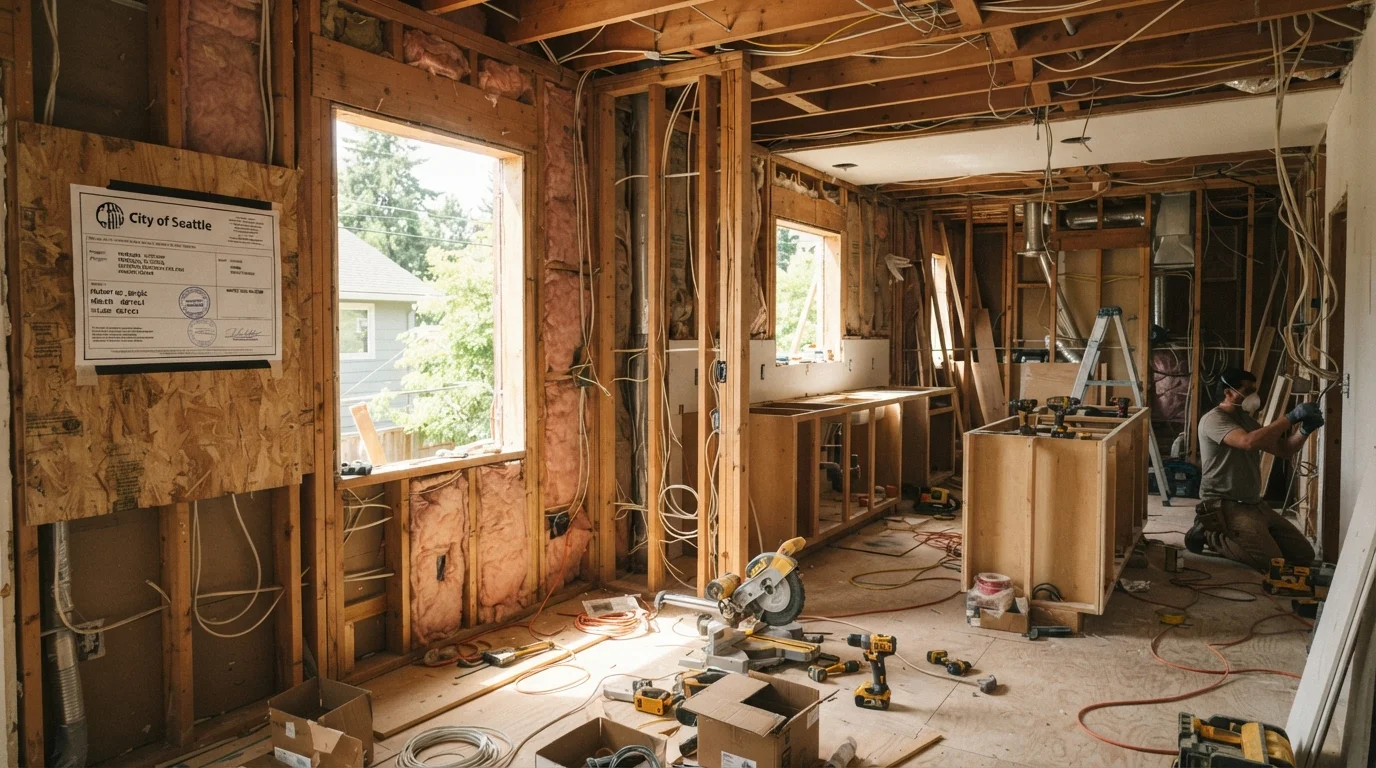
Photo: ReadersChronicle.com | Your Comprehensive Learning Destination editorial
—— In This Article
Key Takeaways
- Unpermitted work can complicate or derail a home sale, often requiring costly remediation.
- Homeowner's insurance may deny claims for damage tied to unpermitted renovations.
- Local building departments can order unpermitted work to be torn out and redone.
- Permits typically protect you - they confirm work was inspected and meets safety standards.
- Many common projects - decks, additions, electrical upgrades - usually require permits.
- Retroactively permitting completed work is possible but often more expensive than doing it upfront.
Why Permits Exist - and Why Homeowners Skip Them
Building codes and permit requirements exist for a straightforward reason: to make sure construction work is safe for the people living in and around it. Permits create a paper trail that an inspector verified the work meets minimum standards. That verification protects you, future buyers, and your neighbors.
Yet plenty of homeowners skip the permit process. The reasons are usually the same: permits cost money, they add time, and some contractors quietly suggest the work can be done without one. A common home repair myth is that skipping a permit is a harmless shortcut - in practice, it can be one of the most expensive decisions you make as a homeowner.
Call Before You Start - It's Free
Your local building department can tell you in minutes whether your planned project requires a permit. Many departments also offer online lookup tools. A quick call costs nothing and eliminates the guesswork. Permit fees, while sometimes frustrating, are generally a fraction of the cost of fixing unpermitted work after the fact.
The Real Financial Consequences
Unpermitted work tends to surface at the worst possible moments: when you try to sell, when you file an insurance claim, or when a problem becomes impossible to ignore.
~$15,000
Estimated average remediation cost for unpermitted additions
Costs to retroactively permit, inspect, or correct unpermitted work vary widely by project type and region, but can easily reach five figures for structural or mechanical work.
1 in 5
Home sales complicated by permit or code issues
Industry professionals commonly report permit and code compliance issues as a frequent source of closing delays and renegotiations, particularly in older housing stock.
At the Time of Sale
Home inspectors and buyer's agents are trained to flag signs of unpermitted work - an addition that doesn't appear on the tax record, electrical panel work without a sticker, a deck that wasn't in the original permit history. Once flagged, you're typically required to disclose it. Buyers may demand remediation, a price reduction, or walk away. Lenders - especially for FHA or VA loans - can refuse to finance a property with unresolved permit issues.
With Your Insurer
Homeowner's insurance policies typically cover the structure as it was permitted. If a covered loss - say a kitchen fire - involves an unpermitted addition or electrical upgrade, your insurer has grounds to reduce or deny that portion of the claim. That's a potentially five- or six-figure gap in coverage you were counting on.
From Your Municipality
Local building departments can issue a stop-work order or require unpermitted work to be demolished and redone - at your expense. While enforcement varies and proactive inspections of existing homes are rare, complaints from neighbors or a real estate transaction can trigger scrutiny.
Projects That Typically Require a Permit
Rules vary by jurisdiction, but some categories of work almost universally require a permit. Use this as a starting point - always verify with your local building department before assuming you're exempt.
- Structural changes: Removing or altering load-bearing walls, room additions, garage conversions
- Electrical work: Panel upgrades, adding circuits, rewiring rooms
- Plumbing: New water lines, sewer lateral replacements, adding fixtures in new locations
- HVAC: Installing new furnaces, central air systems, or ductwork
- Decks and porches: Usually required above a certain height or square footage
- Fences and retaining walls: Often regulated over a set height
Cosmetic work - painting, flooring, replacing cabinet fronts, swapping out fixtures in existing locations - generally does not require a permit. When in doubt, a quick call to your building department is free and takes minutes. See our guide to sequencing home improvements to understand how permits fit into the overall project timeline.
What to Do If You Already Have Unpermitted Work
Discovering unpermitted work on a home you own - or one you're considering buying - is manageable, but it requires a clear-eyed approach rather than wishful thinking.
Retroactive Permits: More Costly Than You'd Think
Getting a permit after work is complete - sometimes called an 'after-the-fact' or 'as-built' permit - is possible in many jurisdictions, but the process is rarely simple. Inspectors may require portions of walls or ceilings to be opened for visual access, and fees are often higher than standard permits. Starting with a permit is nearly always the more efficient path.
If you're selling, consult a real estate attorney about your disclosure obligations before listing. If you're buying, ask the seller to resolve open permit issues before closing, or factor remediation costs into your offer - this is one of the details first-time buyers frequently overlook when touring a home.
If you're staying put, weigh the cost of retroactive permitting now against the more complicated situation it becomes later. Smaller unpermitted projects may carry less urgency; anything involving electrical, structural, or plumbing work deserves attention sooner. Think of unpermitted work the way you'd think about deferred maintenance - the longer it waits, the more complicated it gets.
This article provides general information about building permits and is not a substitute for legal, real estate, or licensed contractor advice. Permit requirements vary by location; always verify requirements with your local building department and consult licensed professionals for specific projects.
Frequently Asked Questions

Home Editorial Team
Home Editorial Team is the collective byline for our editorial team and contributor network. Articles published under this byline or an editorial pen name are researched, written, and reviewed according to our editorial standards for clarity, consistency, and independence before publication.
View author profile