
Tackling a Bathroom Refresh on a Tight Budget
A full overview of high-impact, low-cost bathroom improvements — from fixture updates to paint choices — that don't require gutting the space.
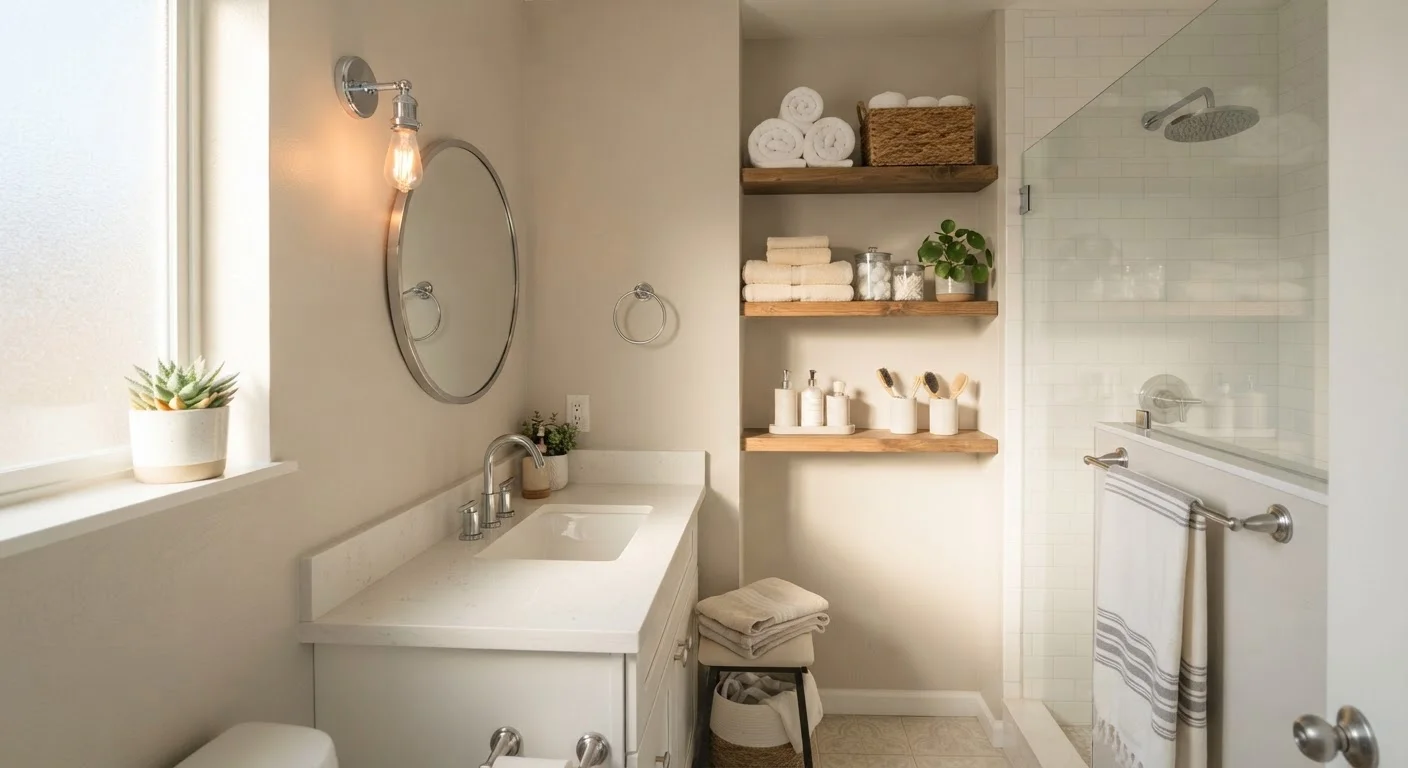
Photo: ReadersChronicle.com | Your Comprehensive Learning Destination editorial
—— In This Article
Key Takeaways
- Fix functional problems before investing in cosmetic upgrades.
- Paint, caulk, and hardware swaps deliver the highest visual return for minimal cost.
- Moisture-resistant paint and proper ventilation prevent costly mold problems down the line.
- Many bathroom improvements are DIY-friendly; plumbing and electrical work generally require a licensed professional.
- A phased approach spreads costs over time without leaving the room in a permanent state of disrepair.
Why a Budget Refresh Makes Sense
A full bathroom remodel can run well into five figures, but most bathrooms don't need to be gutted to look and function significantly better. The majority of what makes a bathroom feel dated or dingy - peeling caulk, dingy grout, outdated hardware, poor lighting - can be addressed with targeted fixes that cost a fraction of full renovation pricing.
For budget-conscious homeowners, the key is knowing which improvements deliver the most noticeable change per dollar spent, and doing them in an order that doesn't force you to redo finished work. For a broader perspective on sequencing home projects wisely, see our guide to planning home improvements in the right order.
~$10,000
Average mid-range bathroom remodel cost
According to the National Association of Realtors' Remodeling Impact Report, a full mid-range bathroom renovation carries significant upfront costs that cosmetic refreshes can sidestep.
Under $500
Typical cost for paint, caulk, and hardware updates
Industry estimates consistently place basic cosmetic bathroom refreshes - paint, recaulking, and hardware swaps - well below the cost of structural renovation.
6,000+
Gallons wasted annually by a running toilet
The EPA's WaterSense program estimates a continuously running toilet can waste thousands of gallons per year, adding measurably to water bills.
Start With What's Broken
Before touching paint or new hardware, do a honest functional assessment. A leaky faucet, a running toilet, or a cracked tile will undermine any cosmetic work you layer on top - and can cause serious water damage over time.
Check these areas first:
- Caulk and grout: Cracked or missing caulk around the tub, shower, and sink base allows water to penetrate walls. Re-caulking costs only a few dollars in materials and an afternoon of time.
- Toilet mechanics: A toilet that runs constantly wastes a significant amount of water and adds to utility bills. Our guide to fixing a running toilet explains the three components most likely to need replacement.
- Ventilation: A bathroom fan that doesn't exhaust properly encourages mold growth. Clean the fan cover and test airflow; replacement fans are generally inexpensive and straightforward to swap out (though wiring should be handled by a licensed electrician).
Fixing these issues first means your cosmetic improvements won't be sitting on a deteriorating foundation - a mistake we cover in more detail in our piece on home repair myths that cost homeowners real money.
Don't Paint Over Moisture Problems
Applying fresh paint over existing mold or water-stained drywall doesn't solve the underlying issue - it conceals it temporarily while the problem worsens behind the surface. Address any active leaks, improve ventilation, and treat mold with an appropriate cleaner before painting. In some cases, affected drywall may need to be replaced.
High-Impact Visual Updates
Once functional issues are resolved, focus on the updates that most dramatically change how a bathroom looks.
Paint
Paint is arguably the highest-return investment in any room. In a bathroom, choose a moisture-resistant interior paint - specifically labeled for bathrooms or kitchens - to resist mildew. Soft whites, warm grays, and muted sage greens read as clean and spacious. One or two gallons typically covers a small bathroom.
Test paint colors on a large swatch (at least 12 inches square) and observe it at different times of day before committing. Bathroom lighting - especially artificial lighting - can shift how a color reads dramatically.
Small paint swatches under store lighting routinely mislead homeowners. Color perception shifts significantly under the warm or cool tones of bathroom vanity fixtures.
When replacing a faucet, photograph the existing connections before disconnecting anything. This reference image saves real time if you run into unexpected fitting configurations.
Plumbing connections vary by age and brand. Having a visual reference reduces guesswork and the risk of incorrect reassembly.
Hardware and Fixtures
Swapping towel bars, toilet paper holders, and cabinet pulls for a consistent finish (matte black, brushed nickel, or polished chrome) creates visual cohesion for relatively little money. Faucet replacements are similarly impactful. Most single-handle faucets can be swapped by a confident DIYer with basic tools, though any work connecting to supply lines carries a risk of leaks - turn off the water supply, and don't hesitate to call a plumber if you encounter corroded or non-standard connections.
Lighting
Replacing a dated vanity light bar with a newer fixture changes the feel of a bathroom substantially. Verify that any new fixture is rated for damp or wet locations, and again - if you're not comfortable working with wiring, this is a licensed-electrician task.
Grout Refresh
Stained grout can make otherwise clean tile look filthy. A grout cleaner and a stiff brush restore a significant amount of brightness. For grout that's too far gone, grout paint (a sealant-based colorant) is a budget-conscious option before committing to re-grouting.
Storage and Organization
Clutter makes even a freshly painted bathroom feel chaotic. Simple additions can make the space feel genuinely larger and more functional:
- Floating shelves: A single shelf above the toilet adds storage without eating floor space. Use wall anchors appropriate for your wall type.
- Over-door organizers: Require no hardware and can hold a surprising amount.
- Drawer dividers and under-sink bins: Cheap organizers that eliminate the scramble under the vanity.
Keeping consumables - soap, toilet paper, cleaning supplies - stored consistently prevents the visual noise that makes small bathrooms feel overwhelming. These kinds of home maintenance habits also extend the life of your fixtures by reducing moisture buildup around stored items.
Start With a Clean Slate
Before buying anything, do a full deep clean of the bathroom - scrubbing tile, descaling fixtures, and clearing clutter. You may find that several items on your update list disappear once the space is genuinely clean. This also gives you a clearer view of what actually needs replacing versus what just needs maintenance.
Knowing When to Call a Pro
A bathroom refresh is one of the more DIY-accessible home improvement projects, but there are clear limits. Electrical work - adding outlets, replacing light fixtures, installing exhaust fans - generally requires a licensed electrician and may need a permit. Any work that opens supply or drain lines beyond simple fixture swaps should be assessed by a plumber, especially in older homes where pipes may be corroded or undersized.
If you're unsure whether a task requires a permit in your area, contact your local building department before starting. Unpermitted work can complicate home sales and void homeowner's insurance claims.
For ongoing upkeep that protects your investment long-term, our article on low-cost maintenance tasks with the highest return on home longevity highlights simple steps that protect the work you've already done. And if you're managing this refresh alongside broader household financial planning, the budgeting basics hub offers practical frameworks for spreading project costs without derailing other goals.
This article is for general informational purposes only. Always verify local code requirements and consult licensed professionals for electrical, plumbing, and structural work.

Home Editorial Team
Home Editorial Team is the collective byline for our editorial team and contributor network. Articles published under this byline or an editorial pen name are researched, written, and reviewed according to our editorial standards for clarity, consistency, and independence before publication.
View author profile