
Before You Sign Anything: A Used Car Buyer's Checklist
A practical, step-by-step checklist covering what to verify, inspect, and confirm before committing to any used vehicle purchase.
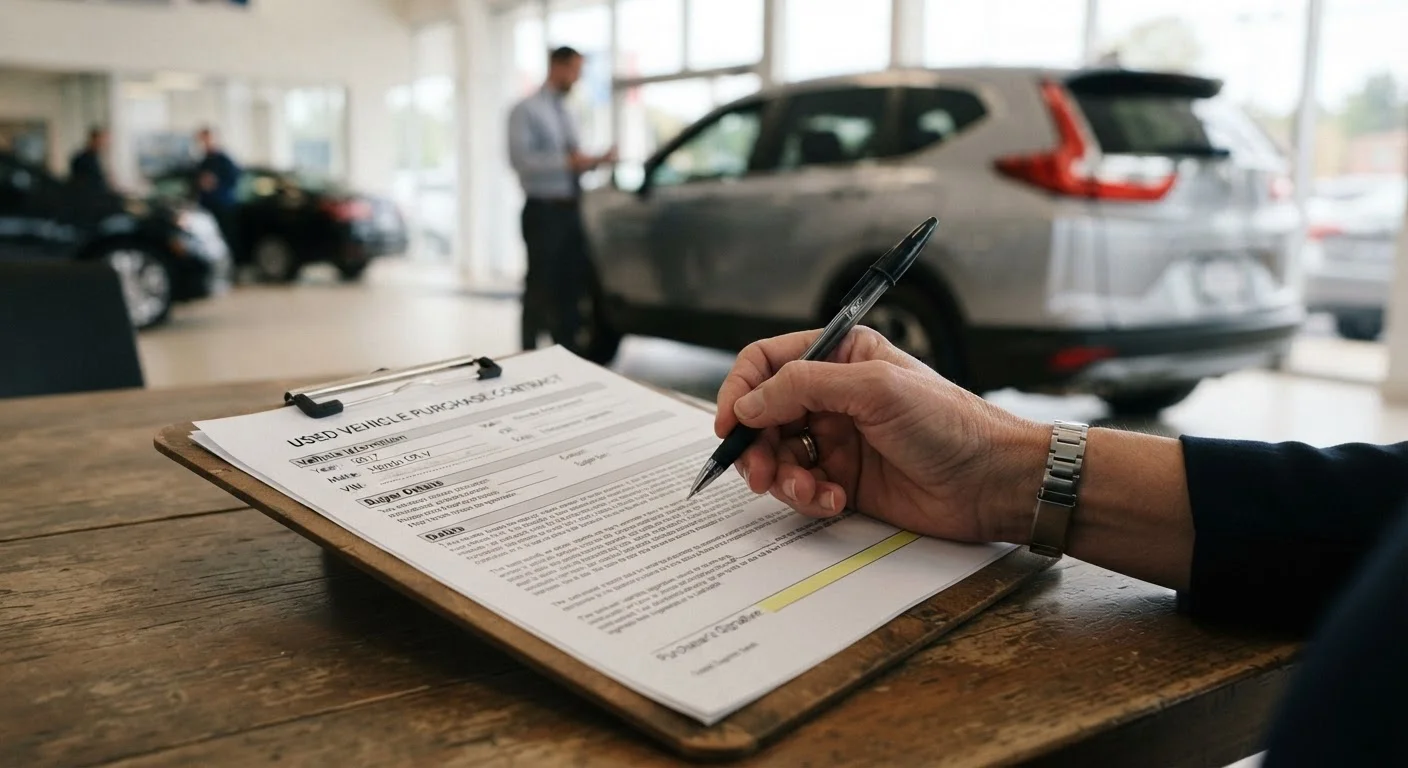
Photo: ReadersChronicle.com | Your Comprehensive Learning Destination editorial
—— In This Article
Key Takeaways
- Run a vehicle history report on any used car before you agree to anything.
- A pre-purchase inspection by an independent mechanic can surface hidden problems.
- Verify every document - title, odometer disclosure, and bill of sale - before signing.
- Understand what 'as-is' means legally so you know what protections you're giving up.
- Never let time pressure from a seller rush you past critical verification steps.
Why a Checklist Beats Going on Gut Feeling
Buying a used car is one of the larger purchases most people make, and the stakes are real - both financially and in terms of day-to-day reliability. Sellers are often motivated to move quickly, and car lots aren't exactly designed to slow you down. A systematic checklist is the most reliable way to avoid costly surprises after the keys change hands.
This checklist covers four stages: researching the vehicle's history, inspecting it in person, reviewing the paperwork, and confirming financing details before you commit. Work through each stage in order. If a seller resists any reasonable verification step, that reluctance is worth noting - see our article on warning signs at any car lot for a fuller breakdown of pressure tactics to watch for.
Don't Let Urgency Override Diligence
Sellers - private and dealership alike - sometimes create a sense of urgency by suggesting another buyer is interested or that the price will change soon. These are common pressure tactics, not genuine emergencies. Any seller who won't allow a reasonable inspection window or resists verification steps is raising a legitimate concern. Walk away if you need to.
The Full Checklist
Use the groups below as a working checklist. Print it out or pull it up on your phone before you visit any seller.
Vehicle History Research
In-Person Physical Inspection
Test Drive
Independent Mechanic Inspection
Paperwork and Legal Review
Once you've cleared every item, you're ready to review the final documents. Our field reference on car sale paperwork walks through each form - title transfers, odometer disclosures, and bills of sale - so nothing slips through.
If the vehicle is listed as a certified pre-owned model, don't assume that resolves every concern. CPO programs vary significantly between automakers, and not all of them cover what buyers expect.
What to Do After You've Signed
Once the sale is complete, your immediate focus shifts to ownership and upkeep. Keep all sale documents in a safe place - you'll need the title to register the vehicle in your state. Budget for registration fees, any immediate maintenance items flagged during inspection, and insurance before you drive the car home.
For ongoing reliability, our car maintenance hub covers the essential upkeep tasks that keep a used vehicle running affordably over time.
If you're also in the process of selling a vehicle, the dynamic flips considerably. selling without getting shortchanged covers how to price fairly, vet buyers, and handle the paperwork from the seller's side.
Check Your Financing Before You Arrive
Knowing your credit position before you walk into any financing conversation gives you a clearer picture of what terms are realistic. If you haven't reviewed your credit recently, our pre-loan credit checklist can help you understand where you stand before a lender pulls your file. Financing terms vary by lender and your individual credit profile - this is general guidance, not a guarantee of any specific rate or approval.
This article is for general informational purposes only and does not constitute legal, financial, or professional automotive advice. Consult qualified professionals for decisions specific to your situation.

Cars Editorial Team
Cars Editorial Team is the collective byline for our editorial team and contributor network. Articles published under this byline or an editorial pen name are researched, written, and reviewed according to our editorial standards for clarity, consistency, and independence before publication.
View author profile