
Red Flags Worth Walking Away From at Any Car Lot
Pressure tactics, missing paperwork, and vague warranties are just the start. Learn which warning signs deserve serious attention before you sign.
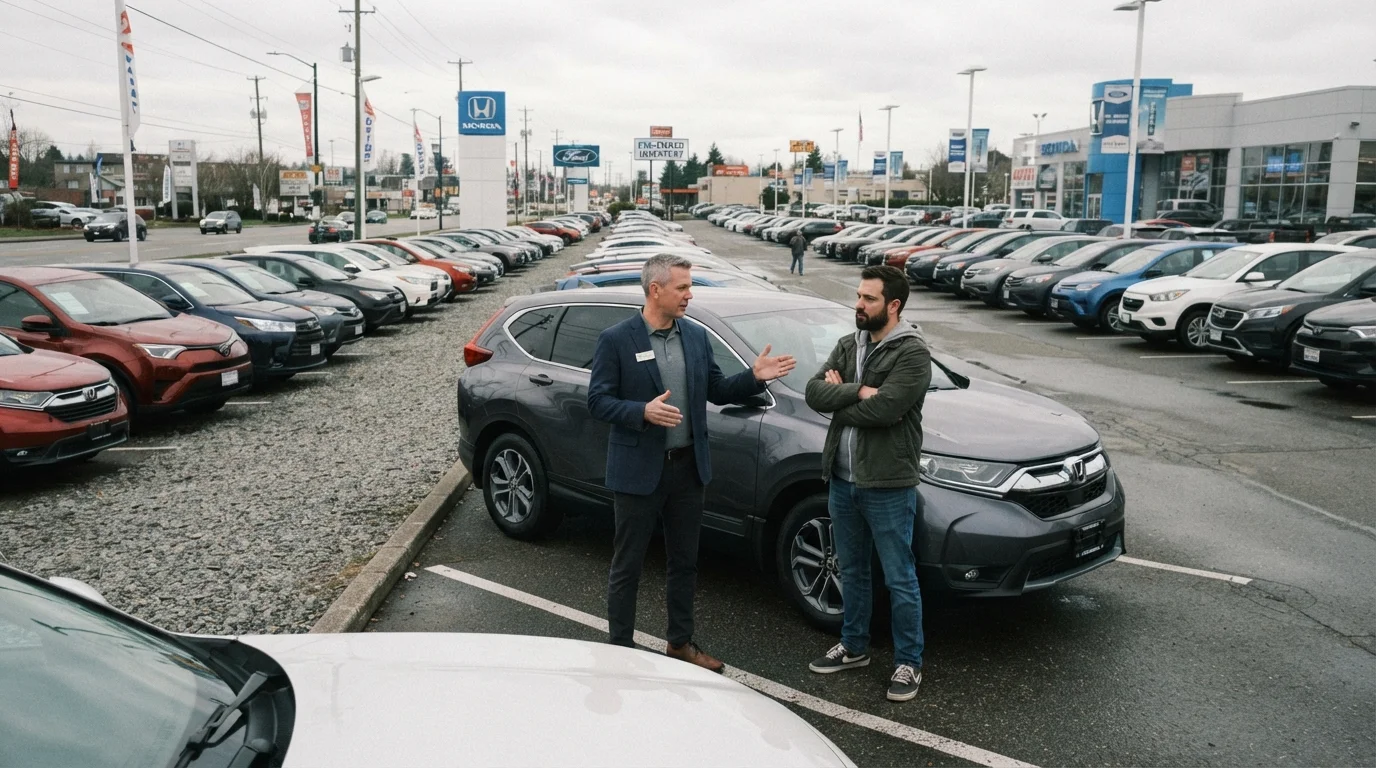
Photo: ReadersChronicle.com | Your Comprehensive Learning Destination editorial
—— In This Article
Key Takeaways
- High-pressure tactics and artificial urgency are deliberate sales techniques, not genuine market conditions.
- A seller who resists a pre-purchase inspection has something to hide - walk away.
- Vague or verbal-only warranty promises are worth nothing once you drive off the lot.
- Always request a vehicle history report and review all paperwork before signing anything.
- If numbers shift between the verbal quote and the finance office, that is not a clerical error.
Why Red Flags Get Ignored at the Lot
Buying a car is one of the largest purchases most people make, yet it often happens under conditions that work against careful decision-making: a fast-talking salesperson, a crowded lot, and the emotional pull of a vehicle you've already pictured yourself driving. That combination is exactly why warning signs get dismissed or rationalized away.
The red flags covered here aren't obscure or hard to spot - they're patterns that show up repeatedly across dealerships and private sales alike. The challenge isn't knowing what they look like; it's having the confidence to act on them. Whether you're buying from a dealer or an individual, understanding what changes between private sellers and dealerships can sharpen your instincts before you ever set foot on a lot.
The Mistakes That Cost Buyers Most
These aren't edge cases. The following errors are common, predictable, and avoidable with a little preparation.
Ignoring high-pressure tactics and artificial urgency.
Why it happens: Buyers often mistake manufactured urgency for genuine scarcity, especially when they've already emotionally committed to a vehicle.
Skipping a pre-purchase inspection by an independent mechanic.
Why it happens: Buyers assume a dealer's reconditioning process or a vehicle's clean appearance means it's mechanically sound.
Accepting vague, unwritten, or verbal-only warranty assurances.
Why it happens: In the moment, a confident verbal promise from a salesperson can feel reassuring enough that buyers don't push for documentation.
Not reviewing - or not receiving - a vehicle history report before buying.
Why it happens: Some buyers trust the seller's word on the vehicle's past, or feel it would seem rude or suspicious to ask.
Letting the numbers change between the verbal quote and the finance office.
Why it happens: Buyers are often so relieved to have negotiated a price that they don't scrutinize the finance paperwork line by line.
Overlooking title issues or incomplete ownership documentation.
Why it happens: Paperwork feels tedious, and buyers often defer to the seller's assurances that everything is "in order."
Never Sign Under Time Pressure
Phrases like "this deal expires tonight" or "another buyer is coming tomorrow" are pressure tactics designed to bypass your judgment. A legitimate seller will give you reasonable time to review paperwork and have the vehicle inspected. If time pressure is being applied, treat it as a red flag, not a motivator.
If something feels off - in the conversation, in the paperwork, or in the car itself - trust that instinct enough to slow down. You can always come back. You can't easily undo a signed contract.
Verbal Promises Don't Hold Up
If a salesperson makes any promise about repairs, warranties, or included features, get it in writing before you sign. Verbal agreements are nearly impossible to enforce after the sale. Anything that isn't documented in the contract should be treated as if it doesn't exist.
What to Do Before You Get to the Lot
The best protection against pressure and deception is preparation you do before you arrive. Know your budget ceiling - not just the monthly payment, but the total purchase price. Research the fair market range for the vehicle you want using publicly available pricing tools. And go in with a list of questions already written down.
1 in 5
Used cars with undisclosed prior damage
Industry estimates from vehicle history reporting services have consistently suggested a significant portion of used vehicles on the market have accident histories not disclosed by sellers.
$1,200+
Average cost of undisclosed mechanical issues
Consumer advocacy organizations note that buyers who skip pre-purchase inspections often face repair bills in the four-figure range within the first year of ownership.
Understanding what vehicle history reports capture and what they miss is worth doing before you start shopping - not after you've found a car you like. And once you're ready to make a decision, run through our used car buyer's checklist before signing anything.
This article is for general informational purposes only and does not constitute legal, financial, or professional automotive advice. Always consult qualified professionals and verify information with official sources before making significant purchase decisions.

Cars Editorial Team
Cars Editorial Team is the collective byline for our editorial team and contributor network. Articles published under this byline or an editorial pen name are researched, written, and reviewed according to our editorial standards for clarity, consistency, and independence before publication.
View author profile