
Selling Your Car Without Getting Shortchanged
From setting a fair asking price to handling test drives safely, a practical walkthrough for getting a reasonable deal when selling privately.
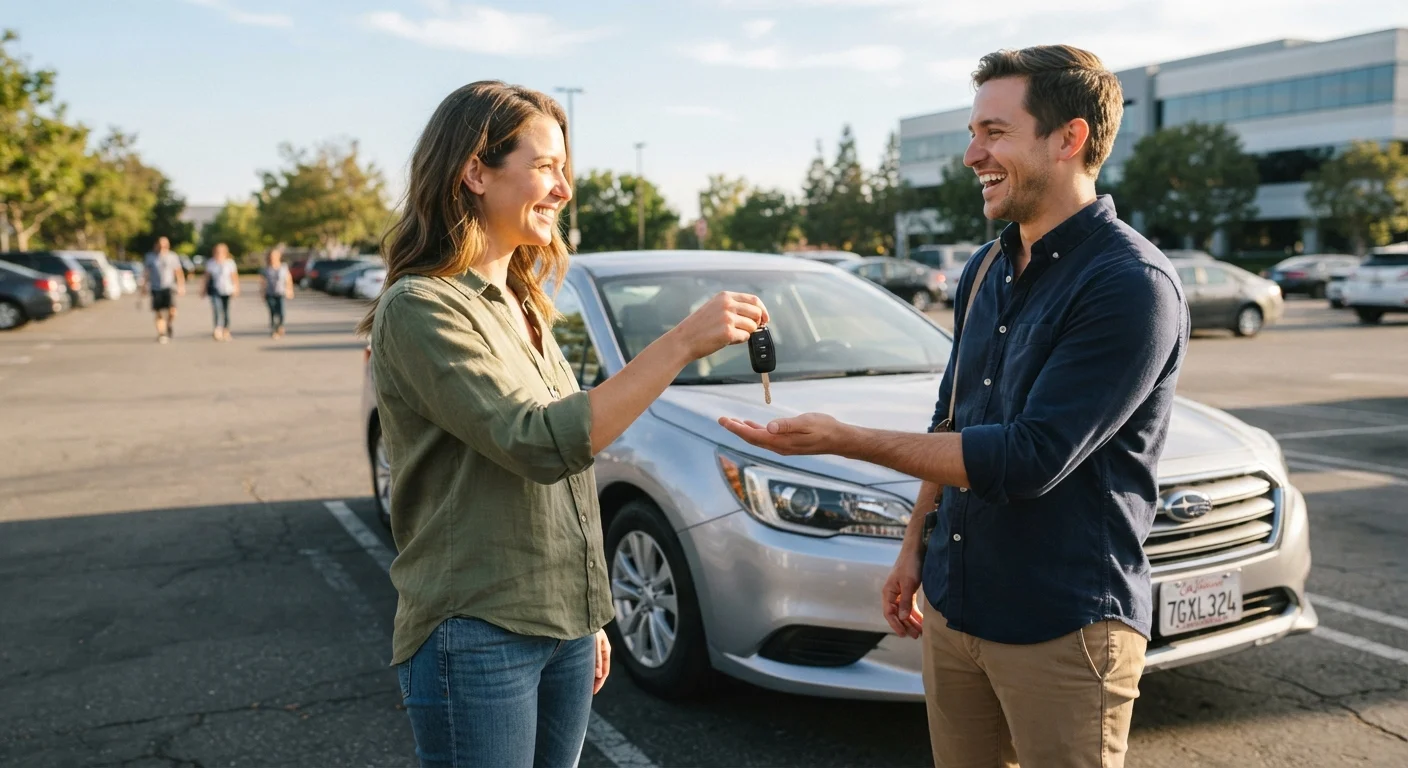
Photo: ReadersChronicle.com | Your Comprehensive Learning Destination editorial
—— In This Article
Key Takeaways
- Research your car's realistic market value before setting an asking price.
- A clean, documented vehicle consistently attracts more serious buyers.
- Verify buyer identity and meet in safe, public locations for test drives.
- Collect payment in full before handing over keys and the signed title.
- Understanding paperwork requirements protects you from future liability.
Why Private Sales Go Wrong - and How to Avoid It
Most private car sales that go sideways do so for predictable reasons: the seller priced the car based on emotion rather than data, skipped documentation steps, or met a buyer without basic safety precautions. None of those mistakes are hard to avoid with a little preparation.
Private selling gives you more control over the price and timeline than a trade-in or dealer sale - but it comes with real responsibilities that a dealer absorbs on your behalf. Understanding the full picture before you list helps you move confidently through the process rather than reacting to problems as they arise.
Consider the Trade-In Alternative First
Selling privately typically yields more money than a trade-in, but it takes real time and effort. If your schedule is tight or the car needs work, a trade-in or instant-offer service may be a better fit. See the real-world tradeoff between trade-ins and private sales for an honest comparison before you commit to either path.
Before you start, pull together the tools and documents below. Being organized from the outset signals to buyers that you're a credible seller - and it protects you legally throughout the process.
Vehicle History Report
Shows potential buyers accident history, title status, and odometer records, reducing distrust and objections.
Free Market Valuation Tools (e.g., KBB, NADA)
Helps you set a defensible asking price based on real market data for your vehicle's year, make, model, and condition.
Bill of Sale Template
Documents the transaction terms in writing, protecting both parties and satisfying most state DMV requirements.
Odometer Disclosure Statement
Federally required for most vehicle transfers; confirms the mileage at the time of sale.
Pre-sale Inspection from a Mechanic
Confirms vehicle condition independently, giving buyers confidence and reducing post-sale disputes.
Here are the steps to follow, from pricing through to title transfer.
What you will need
From Listing to Handoff: The Full Process
Research your car's realistic market value
Look up your vehicle on multiple free valuation tools - Kelley Blue Book and NADA Guides both offer private-party sale estimates. Enter accurate details: year, make, model, trim level, mileage, and honest condition rating. Cross-check those figures against active listings in your local area for the same vehicle. Local supply and demand can push your number above or below the national baseline.
Avoid anchoring your price to what you paid or what you still owe. Buyers don't factor in your financial situation - they compare your listing to competing ones. For more on why depreciation catches sellers off guard, see common depreciation mistakes sellers make.
Gather and organize your documents
Pull together the title, any maintenance records, your registration, and the original window sticker or manual if you have them. If there's an existing lien on the vehicle, contact your lender about the payoff and title release process before listing - buyers will not wait for that to be sorted out after an agreement is reached.
For a full breakdown of what paperwork is involved in a private sale, this field reference on car sale documents covers each form and its purpose.
Clean the car and photograph it honestly
A thorough wash, interior vacuum, and window cleaning costs little and meaningfully affects first impressions. Take photos in good daylight from multiple angles: all four sides, interior front and rear, cargo area, engine bay, and any existing damage. Photograph dents, scratches, and worn areas clearly - buyers who discover hidden flaws in person lose trust fast, and deals fall through.
Write a straightforward listing
State the year, make, model, trim, mileage, transmission type, and asking price in the headline. In the body, describe the car's condition honestly - note any mechanical issues, recent repairs, and what is and isn't included (spare tire, floor mats, etc.). Mention if you have maintenance records or a vehicle history report available.
Avoid vague claims like "runs great" without supporting detail. Buyers have seen that phrase thousands of times. Specific, verifiable facts build more credibility.
Screen buyers before meeting
When inquiries come in, ask basic questions by message or phone first: Are they paying cash or financing? When do they want to take possession? Have they read the full listing? Serious buyers answer clearly. Vague or overly urgent responses - especially offers to pay above asking price with a complicated payment story - are common scam patterns. Trust your instincts and don't feel pressured to move quickly.
Handle the test drive safely
Meet in a public place during daylight hours - a busy parking lot or a local police department's designated safe exchange zone works well. Bring a friend if possible. Verify the buyer's driver's license before handing over the keys, and either ride along during the drive or set a clear, agreed route and return time if you cannot.
Confirm your auto insurance covers a test-drive situation; some policies do, some don't. For a broader look at coverage considerations, see our auto insurance hub.
Negotiate and close the deal properly
Decide in advance the lowest price you'll accept and stick to it calmly. If a buyer's offer is below that, thank them and hold your position - or decline. You are not obligated to accept any offer. Once you agree on a price, complete a bill of sale documenting the agreed amount, vehicle details, and both parties' information. Sign the title over properly per your state's DMV instructions, and complete the odometer disclosure statement.
Notify your state DMV of the sale to remove your liability for the vehicle going forward. Requirements vary by state - check your local DMV website for the exact process.
Never Release the Title Before Payment Clears
Handing over a signed title before receiving confirmed, cleared funds is one of the most common and costly mistakes in private car sales. A personal check can bounce days later; a screenshot of a transfer is not the same as received funds. Wait for cash in hand or confirmed receipt in your account before completing the title transfer.
Once the sale is finalized, take the final administrative steps seriously. File your notice of transfer with the DMV, keep your copies of the bill of sale and odometer statement, and cancel or update your insurance. If the buyer later contacts you about a mechanical issue, remember that a private sale in most states is legally "as-is" unless you made specific written representations about the vehicle's condition. The distinctions between private-party and dealer sales are worth understanding if any post-sale questions come up.
Remove Your Liability After the Sale
Once the car changes hands, notify your state's DMV immediately - most states allow you to file a Notice of Transfer or Release of Liability online. This step protects you if the new owner gets a ticket, causes an accident, or lets the registration lapse. Don't skip it, and cancel or transfer your insurance coverage promptly as well.

Cars Editorial Team
Cars Editorial Team is the collective byline for our editorial team and contributor network. Articles published under this byline or an editorial pen name are researched, written, and reviewed according to our editorial standards for clarity, consistency, and independence before publication.
View author profile