
Certified Pre-Owned: What the Label Actually Guarantees
CPO programs vary widely between automakers. Learn what inspections, warranties, and protections are genuinely included — and what aren't.
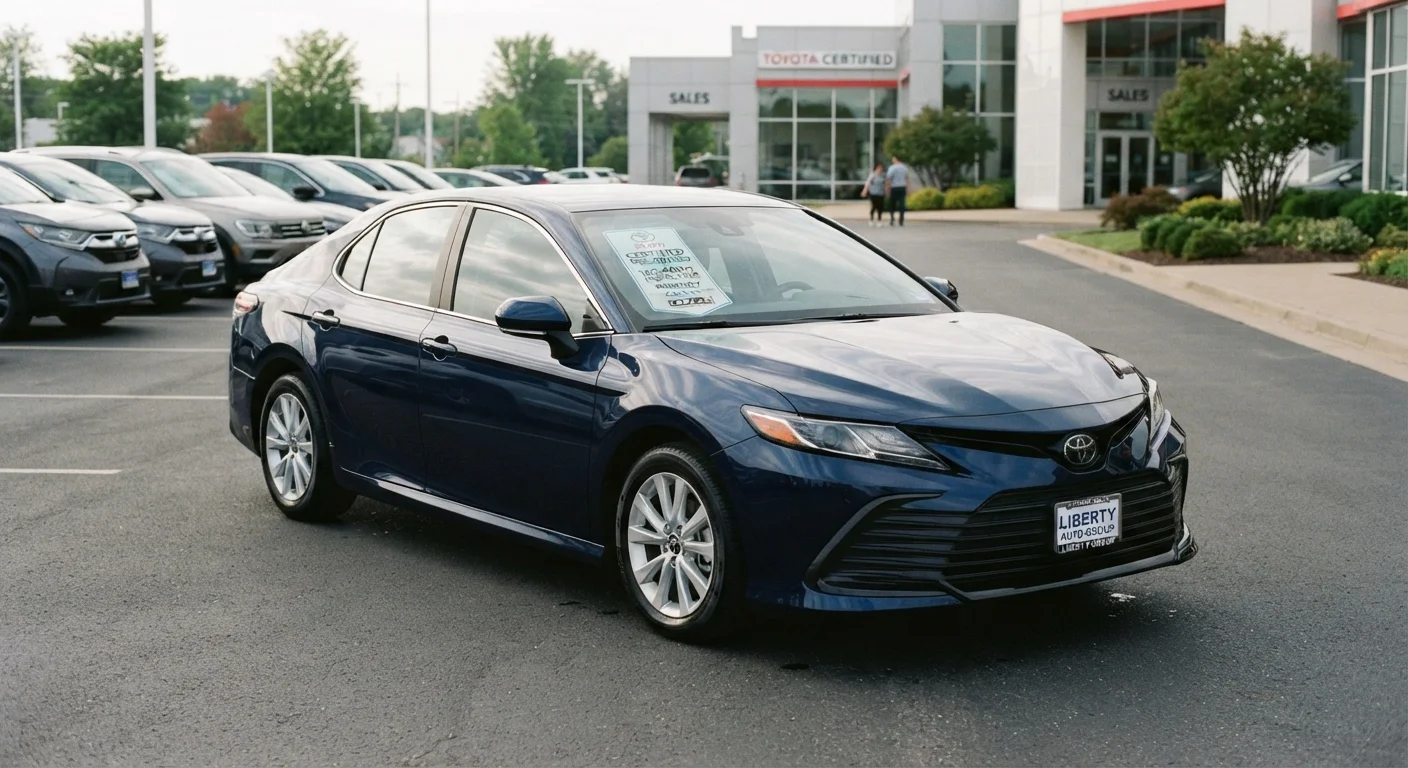
Photo: ReadersChronicle.com | Your Comprehensive Learning Destination editorial
—— In This Article
Key Takeaways
- CPO programs are not standardized - coverage, inspection depth, and warranty terms differ significantly by automaker.
- Manufacturer CPO programs are generally more rigorous and better backed than dealer-certified programs.
- A CPO label does not eliminate the value of an independent pre-purchase inspection.
- CPO vehicles typically cost more than comparable non-certified used cars, so the premium should be weighed against what's actually included.
- Always request the actual inspection checklist and warranty documents before agreeing to purchase.
What 'Certified' Actually Means - and What It Doesn't
The word "certified" sounds official, but it doesn't carry a universal legal definition in the auto industry. There is no government body that sets a single standard for what a CPO vehicle must include. That means a CPO badge on one brand's lot can represent something meaningfully different from the same badge at a different dealership down the street.
Most manufacturer-backed CPO programs require vehicles to meet age and mileage thresholds - commonly under six years old and under 80,000 miles, though exact limits vary. The vehicle must pass a multi-point inspection that checks mechanical systems, safety features, and often cosmetic condition. If a car fails any inspection point, it's supposed to be repaired before receiving the certification.
Dealer-certified programs are looser by nature. An individual dealership can create its own certification criteria, use its own technicians, and offer its own (often more limited) warranty. Some dealer programs are legitimate and thorough; others are largely marketing language. The burden is on the buyer to ask specific questions.
Manufacturer CPO vs. Dealer Certified: A Key Distinction
When a car carries a manufacturer's CPO badge - such as from the automaker's own program - the inspection standards, warranty terms, and backing are set at the brand level and apply consistently across authorized dealers. Dealer-certified programs, by contrast, are created independently by individual dealerships and can vary dramatically in what they require and what they cover. If you're unsure which type you're looking at, ask directly and verify on the automaker's official website.
The Warranty: What's Included and What to Watch For
The extended warranty is often the most tangible benefit of a CPO purchase. Manufacturer programs typically offer powertrain coverage - engine, transmission, drivetrain - for a set number of years or miles beyond the original factory warranty. Some also include comprehensive (bumper-to-bumper) coverage for a shorter window.
Key questions to ask before signing:
- Is it transferable? Some CPO warranties only cover the original CPO buyer; others transfer to a new owner if you sell the car.
- What's the deductible? Some CPO warranties are zero-deductible; others charge a fee per repair visit.
- Where can you get repairs? Manufacturer programs usually require repairs at authorized dealerships. That could mean inconvenience or higher labor costs compared to an independent shop.
- What's excluded? Read the exclusions carefully. Wear items, pre-existing conditions, and cosmetic issues are frequently left out.
172+
Points checked in some manufacturer CPO inspections
Some automaker CPO programs advertise inspection checklists exceeding 170 individual points, though the thoroughness and standards behind each point vary by brand.
~$1,000-$3,500
Typical CPO price premium over non-certified equivalents
Industry estimates suggest CPO vehicles often cost meaningfully more than comparable non-certified used cars, though the gap varies by vehicle type, age, and market conditions.
Understanding these details upfront prevents unpleasant surprises when something actually breaks.
The Price Premium - and Whether It's Worth It
CPO vehicles generally command a higher price than equivalent non-certified used cars - sometimes a few hundred dollars, sometimes several thousand, depending on the vehicle and program. Whether that premium makes sense depends on what you're getting in return.
A manufacturer-backed CPO program with a long powertrain warranty, roadside assistance, and a rigorous inspection checklist offers real value - particularly on vehicles with complex or expensive-to-repair components. The math changes quickly on a dealer-certified program with a 30-day warranty and a vague inspection process.
Before accepting the CPO premium as a given, ask the dealer for the actual inspection checklist - what was checked, what was repaired, and by whom. You're entitled to this information, and a reputable dealership should provide it without hesitation. Our used car buyer's checklist covers other documentation worth reviewing before any purchase. For broader context on how the used car market works, see The Used Car Marketplace, Explained.
Ask for the Inspection Report in Writing
Before agreeing to pay a CPO premium, request a copy of the actual inspection checklist - not just a verbal summary. This document should itemize what was checked and note any repairs made prior to certification. If a dealership won't provide it, that's a meaningful red flag worth taking seriously.
How to Evaluate a CPO Program Before You Commit
Not all CPO shopping experiences are equal. Here's a practical approach to cut through the label and understand what you're actually getting:
- Confirm whether it's manufacturer-backed or dealer-certified. Ask directly and verify on the automaker's website.
- Request the inspection report. The specific items checked - and any that were repaired - should be documented.
- Read the warranty documents, not just the summary. Coverage limits, exclusions, and deductible terms live in the fine print.
- Compare the CPO price to non-certified equivalents. Use third-party vehicle valuation tools to see how much extra you're paying for the certification.
- Consider an independent inspection anyway. No CPO program is a substitute for having a mechanic you trust look at the vehicle - especially on higher-mileage or older models.
This article is for general informational purposes only and is not intended as personalized financial or purchasing advice. Vehicle programs and warranty terms vary by automaker, region, and individual circumstances. Always review the full terms of any CPO program and consult with a qualified professional if needed.
Frequently Asked Questions

Cars Editorial Team
Cars Editorial Team is the collective byline for our editorial team and contributor network. Articles published under this byline or an editorial pen name are researched, written, and reviewed according to our editorial standards for clarity, consistency, and independence before publication.
View author profile