
Why Travelers Overspend-And the Planning Habits That Prevent It
Overspending on trips rarely comes from one big mistake. These common missteps compound quietly—here's how to head them off early.
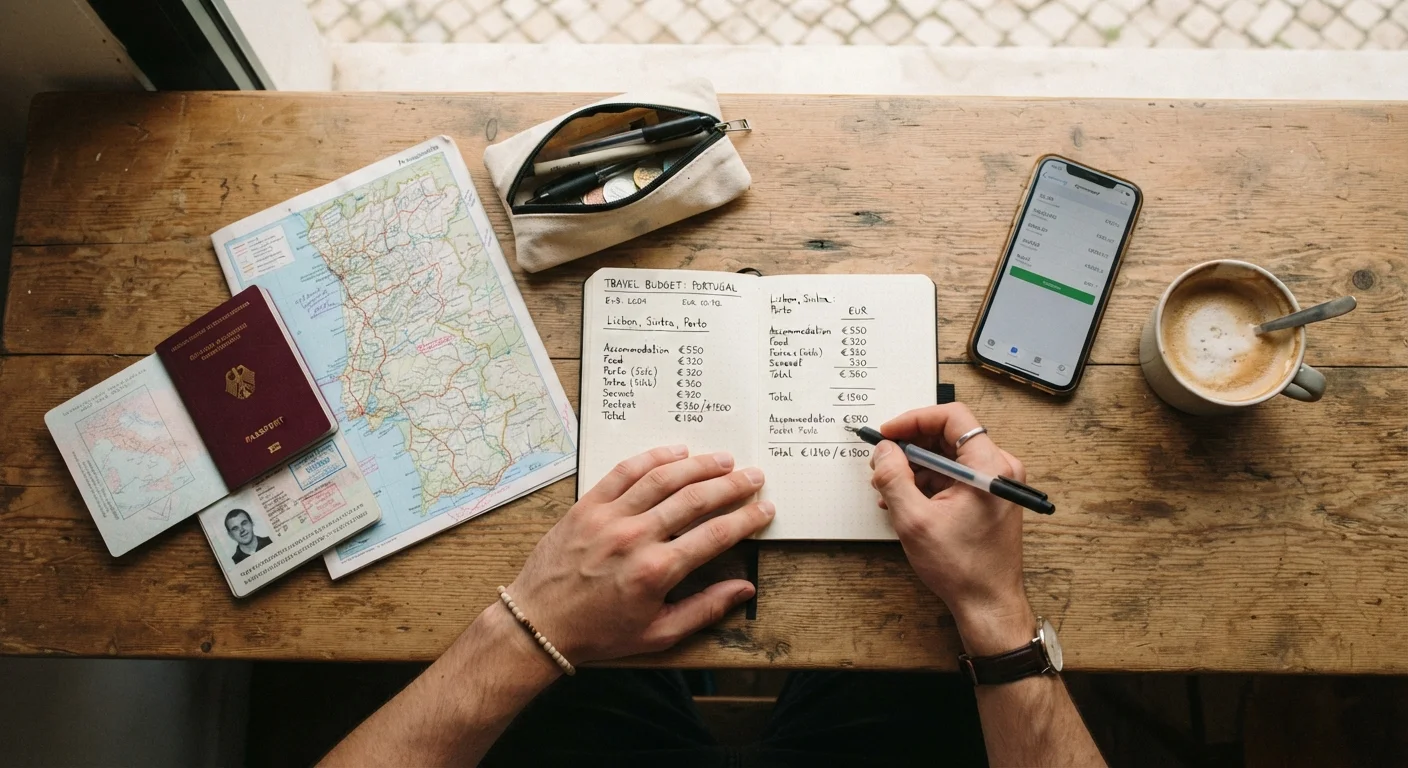
Photo: ReadersChronicle.com | Your Comprehensive Learning Destination editorial
Key Takeaways
- Most travel overspending results from small, repeated lapses rather than one large purchase.
- Skipping a written budget before departure is the single most common planning failure.
- Hidden costs like airport transfers, resort fees, and currency exchange fees add up fast.
- Booking flights and accommodations at the last minute typically costs significantly more.
- Travelers who track spending daily are better positioned to adjust before their budget collapses.
The Real Reason Trips Cost More Than Expected
Overspending on travel rarely traces back to one reckless decision. More often, it's a pattern of small, avoidable missteps that compound quietly across a trip. A rushed airport meal here, a convenience fee there - none of it feels significant in the moment, but the cumulative effect can easily add hundreds of dollars to the final tally.
The encouraging news: most of these missteps are predictable. They happen for identifiable reasons, which means they can be interrupted early - usually before you ever leave home. Less obvious planning steps are often what separate smooth trips from expensive ones.
Traveling without a written budget.
Why it happens: Many travelers treat budgeting as something to handle after they've already booked flights and hotels, by which point the largest costs are already locked in.
Underestimating ground transportation costs.
Why it happens: Travelers focus on airfare comparisons and largely ignore what it costs to move around once they land - airport taxis, rideshares, rental car add-ons, and transit passes can rival daily hotel costs in some cities.
Ignoring fees that aren't listed in the headline price.
Why it happens: Resort fees, destination fees, baggage charges, and foreign transaction fees are often buried in fine print or disclosed late in a booking flow - most travelers don't notice until they're charged.
Booking flights or accommodations too close to the departure date.
Why it happens: Life gets in the way of planning, and some travelers simply procrastinate - or assume last-minute deals still exist the way they once did on less dynamic pricing systems.
Failing to account for daily food costs accurately.
Why it happens: Travelers often budget for a few nice meals but underestimate the total cost of all eating and drinking across a multi-day trip, including coffee, snacks, and casual lunches.
Building Habits That Actually Hold
Knowing the mistakes is only half the work. The other half is building planning habits that are realistic enough to actually use. A few practical anchors help.
Write a budget before booking anything. Putting numbers on paper - even rough ones - forces you to confront assumptions. A structured trip budget that accounts for transport, accommodation, food, activities, and a buffer gives you a working plan instead of a vague hope.
Research your destination's real cost structure. Guidebook estimates go stale quickly. Spending a few hours reading recent traveler accounts - forums, recent blogs - gives a more accurate daily cost picture. Certain cost categories like day tours and airport transfers catch travelers off guard repeatedly because they're rarely listed in headline pricing.
Track spending while you travel. A simple notes app or spreadsheet updated each evening takes under three minutes. Tracking what you actually spend is the prerequisite for adjusting course - without it, you won't know you're over budget until the damage is done.
For a broader set of approaches that hold up across different destination types, strategies that consistently help travelers spend less are worth reviewing before your next trip.
Currency Exchange Fees Add Up Faster Than You Think
Airport and hotel currency exchange counters typically charge significantly higher rates than bank ATMs or cards with no foreign transaction fees. Everyday spending abroad involves a range of similar quiet costs that erode budgets without triggering obvious alarms. Before an international trip, confirm your bank's ATM withdrawal fees and your card's foreign transaction policy.

Travel Editorial Team
Travel Editorial Team is the collective byline for our editorial team and contributor network. Articles published under this byline or an editorial pen name are researched, written, and reviewed according to our editorial standards for clarity, consistency, and independence before publication.
View author profile