
Watering Deeply vs. Watering Often: Understanding What Roots Actually Need
Frequent shallow watering can quietly weaken plants. Learn how root depth, soil type, and weather should guide your watering habits.
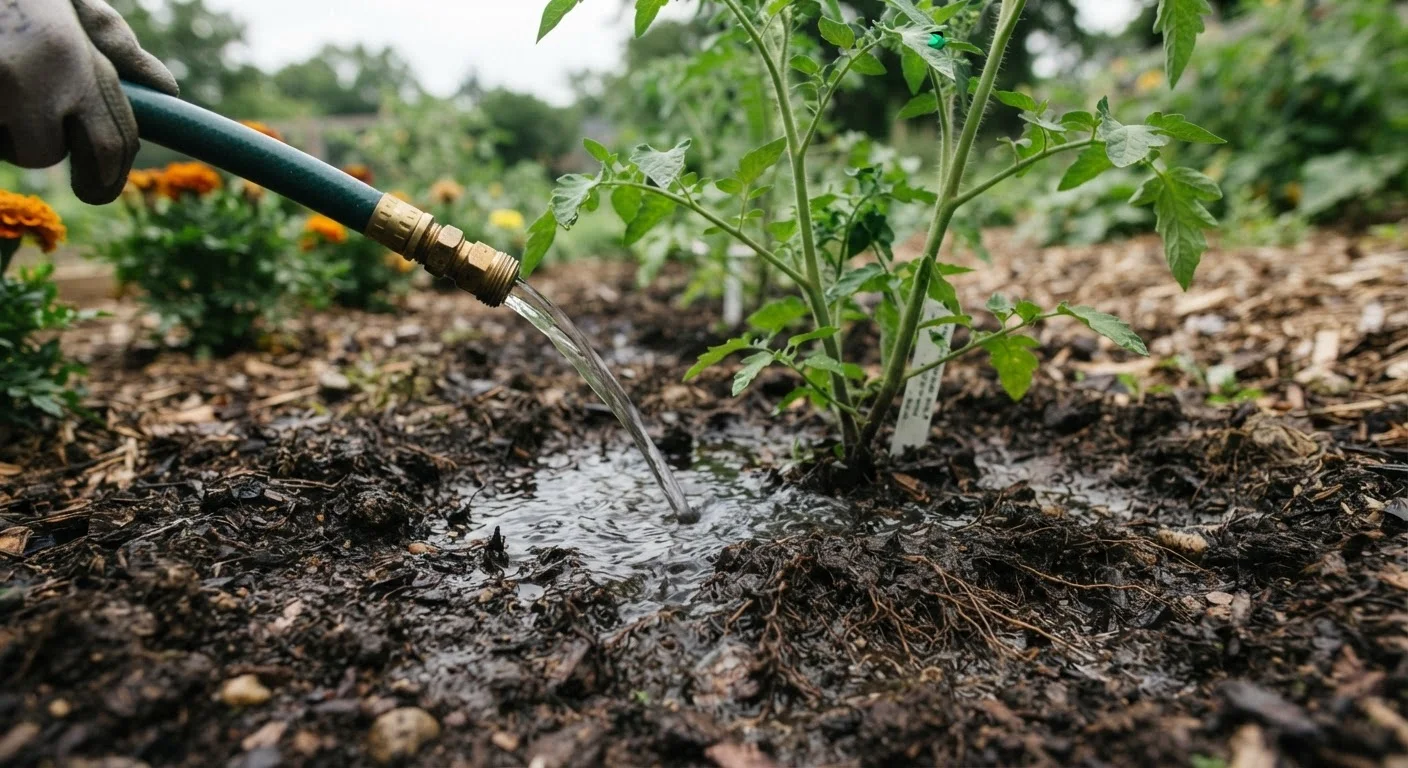
Photo: ReadersChronicle.com | Your Comprehensive Learning Destination editorial
—— In This Article
Key Takeaways
- Frequent shallow watering trains roots to stay near the surface, making plants more vulnerable to stress.
- Deep, infrequent watering encourages roots to grow downward where moisture is more stable.
- Soil type strongly affects how water moves - sandy soils drain fast, clay soils hold water longer.
- A simple finger test or a wooden skewer can tell you whether water actually reached the root zone.
- Seedlings and newly transplanted plants are exceptions - they need more frequent, gentler watering at first.
Why How You Water Matters as Much as How Much
Most new gardeners think about watering in terms of quantity - did I give the plant enough? But the pattern of watering matters just as much as the amount. Roots follow moisture. When water only wets the top inch or two of soil before evaporating, roots cluster near the surface to access it. Those shallow roots are easily scorched during a hot afternoon and are the first to suffer during a dry spell.
Deep watering changes that equation. When water soaks down 6 inches or more, roots have a reason to grow downward into cooler, more stable soil. Plants with deep root systems can access moisture reserves that surface roots never reach, making them far more drought-tolerant and resilient overall.
Understanding this concept is one of the fundamentals that separates thriving gardens from struggling ones. For a broader look at what plants truly need to get established, see our guide for new gardeners.
6-12 in.
Target soil depth for effective root-zone watering
University cooperative extension programs generally recommend wetting soil to this depth for most established vegetable and ornamental plants.
2-3×
How much more water surface evaporation wastes vs. mulched soil
Research from multiple land-grant university extension programs indicates mulching can reduce soil moisture loss significantly compared to bare soil.
~30%
Estimated water wasted through overwatering in home gardens
The EPA's WaterSense program estimates that a large share of outdoor residential water use is applied inefficiently, often through overwatering.
How Soil Type Changes Everything
Water doesn't move the same way through every soil. Sandy soils drain quickly - water passes through fast, which means you may need to water more often to maintain moisture at depth. Clay soils hold water longer but can become compacted, causing water to run off the surface rather than penetrate. Loamy soil (a mixture of sand, silt, and clay) falls in the middle and is generally easiest to manage.
Knowing your soil type helps you set realistic expectations. If you have sandy soil and water for five minutes, most of that moisture may drain below the root zone before roots can use it. If you have clay, water may pool on the surface and evaporate without ever reaching deeper roots.
Test Your Soil Before You Water
Before reaching for the hose, press a finger or wooden skewer 2-3 inches into the soil near your plants. If it comes out damp, your plants don't need water yet. This simple check prevents overwatering and helps you understand how quickly your specific soil dries out - which varies by weather, soil type, and plant size.
A simple test: dig a small hole about 6 inches deep after watering. If the soil at the bottom is still dry, your watering session wasn't long enough or was happening too fast for the soil to absorb it.
The Exceptions: Seedlings, New Transplants, and Containers
Deep-watering principles apply primarily to established plants. Seedlings and recently transplanted starts are a meaningful exception. Their root systems are small and concentrated near the surface, so they genuinely need more frequent, gentler moisture to survive. Letting the top inch of soil dry out completely can kill a seedling within hours during warm weather.
The goal with seedlings is to keep the soil consistently moist - not soggy - until they are rooted in and growing steadily. Once established, you can begin extending the time between watering sessions to encourage deeper root development. If your seedlings keep struggling despite regular watering, other factors like damping off or poor light may be at play.
Container plants are also a special case. Pots dry out faster than in-ground soil, especially in summer heat, and may need daily checking. Even so, water thoroughly each time - water until it drains freely from the bottom - rather than giving small sips that only wet the top layer.
Building a Simpler, Smarter Watering Habit
You don't need a timer, a smart irrigation system, or expensive equipment to water well. Start by checking the soil before you water rather than following a fixed schedule. Push a finger or wooden skewer 2-3 inches into the soil near the base of your plants. If it comes out dry, it's time to water. If it's still moist, wait.
When you do water, go slowly and thoroughly. A slow trickle from a hose left at the base of a plant for several minutes penetrates far more deeply than a quick spray over the top. Soaker hoses and drip irrigation are worth considering if you're watering a larger area, because they deliver water directly to the root zone with minimal evaporation.
Mulching the surface of your soil with 2-3 inches of wood chips, straw, or compost dramatically slows evaporation, which means your deep-watering sessions stay effective longer. This single habit can reduce how often you need to water while improving soil health over time. Consistent, low-effort habits like this are explored further in our guide to tending a thriving garden without overcomplicating it.
“The goal of irrigation is not to keep the soil surface wet - it's to keep the root zone adequately moist. Those are very different targets, and confusing them is one of the most common mistakes home gardeners make.”
— Cooperative Extension Horticulture Program, Land-grant university outreach, general guidance on home irrigation practices
Frequently Asked Questions

Home Editorial Team
Home Editorial Team is the collective byline for our editorial team and contributor network. Articles published under this byline or an editorial pen name are researched, written, and reviewed according to our editorial standards for clarity, consistency, and independence before publication.
View author profile