
The Difference Between Good Debt and Bad Debt
Not all debt works against you. Learn how economists and financial educators distinguish debt that builds wealth from debt that drains it.
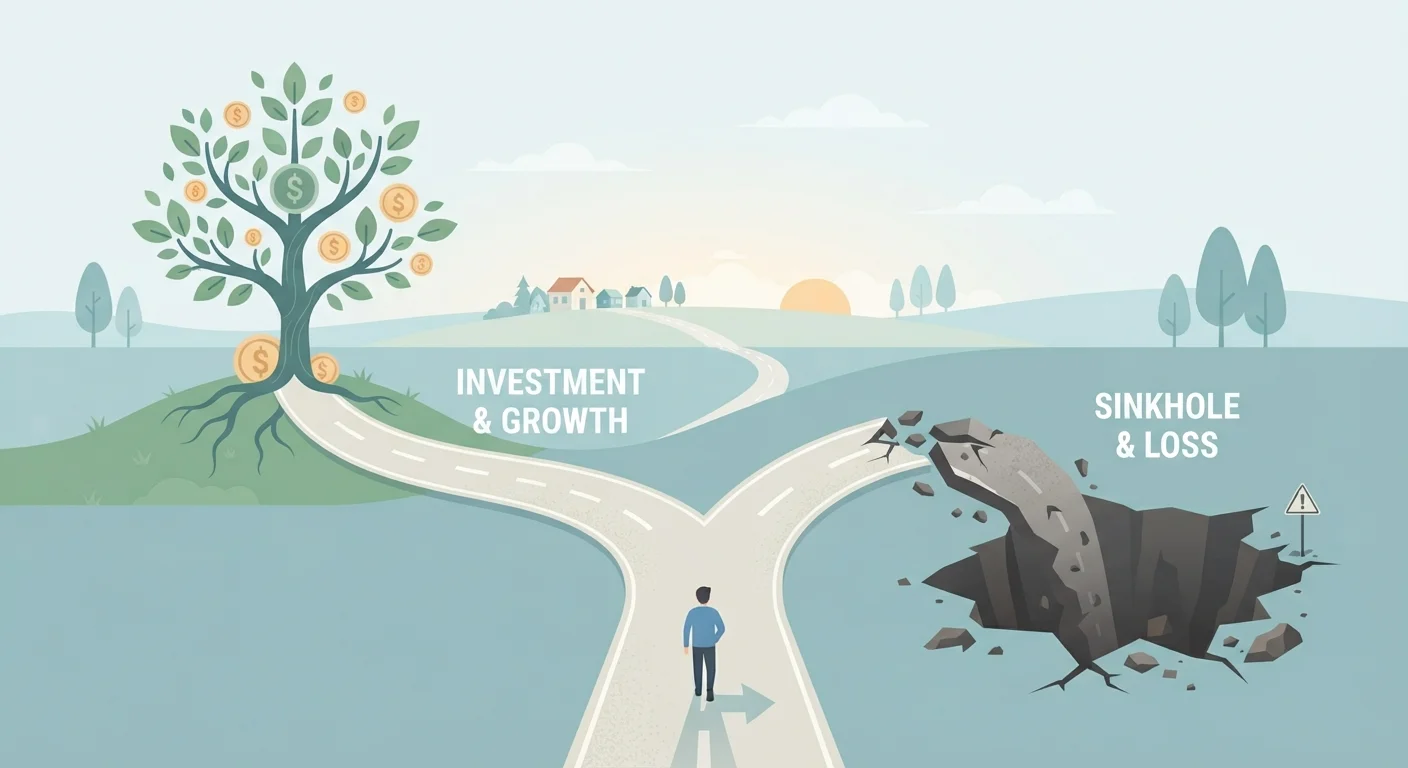
Photo: ReadersChronicle.com | Your Comprehensive Learning Destination editorial
—— In This Article
Key Takeaways
- Good debt typically finances assets or skills that grow in value over time.
- Bad debt usually carries high interest and funds purchases that don't build lasting value.
- Even good debt can become harmful if payments strain your monthly budget.
- Interest rate is one of the clearest signals of whether debt is working for or against you.
- Managing both types of debt wisely is a core part of long-term financial resilience.
Why the Distinction Matters
When most people hear the word "debt," they feel a knot in their stomach. That reaction makes sense - debt handled poorly can derail household finances for years. But treating all debt as equally bad can also lead to poor decisions, like avoiding a low-interest student loan while carrying a high-interest credit card balance with no plan to pay it off.
The good debt/bad debt framework - widely used by financial educators and economists - helps people think more clearly about what borrowing actually does to their financial picture. If you're new to managing debt, a beginner's guide to personal debt can help ground the core concepts before diving deeper.
The short version: good debt tends to build something lasting. Bad debt tends to cost you more than it gives you.
What Makes Debt "Good"
Good debt generally shares a few traits: it finances something that is likely to increase your net worth, boost your earning power, or provide long-term value - and it comes at a manageable interest rate.
~$103K
Average US household debt balance
According to the Federal Reserve's Survey of Consumer Finances, total household debt in the US has grown steadily, with mortgage debt comprising the largest share.
20%+
Typical credit card APR in recent years
The Federal Reserve reports that average credit card interest rates have exceeded 20% annually in recent periods, underscoring the high cost of carrying revolving balances.
36%
Common debt-to-income benchmark
Many financial educators and lenders use 36% of gross monthly income as a general guideline for total debt payments, though individual circumstances vary widely.
- Mortgages: Buying a home with a mortgage means you're building equity over time as you pay down the loan and (historically, though not guaranteed) as the property appreciates in value.
- Student loans: Borrowing to complete a degree or certification can increase lifetime earning potential. The key is keeping borrowing proportional to expected income after graduation.
- Small business loans: Debt used to start or grow a business that generates revenue can pay for itself many times over.
Even within these categories, "good" is conditional. A mortgage you can't comfortably afford, or a student loan for a program with poor job prospects, can quickly become a financial strain.
What Makes Debt "Bad"
Bad debt typically has two hallmarks: a high interest rate and no lasting financial return. The borrowed money goes toward things that are consumed or depreciate quickly - and the interest cost compounds the damage.
Check the Interest Rate First
Before classifying any debt as good or bad, look at the interest rate. A low fixed rate on something that builds value points toward good debt. A high variable rate on something consumed immediately points the other way. The rate is one of the clearest signals you have.
- High-interest credit card balances: Carrying a balance month to month at 20-25% APR means you're paying a significant premium on every purchase. A $1,000 balance left unpaid can cost hundreds of dollars in interest before it's resolved.
- Payday loans: These short-term, high-fee loans are among the costliest forms of borrowing available to consumers and can trap borrowers in a cycle of renewal fees.
- Financing depreciating purchases at high rates: Financing a car at a very high interest rate, or using buy-now-pay-later products carelessly, can mean you're still paying for something long after its value has dropped significantly.
Understanding how secured and unsecured credit work differently can help you recognize why unsecured high-interest products tend to carry more risk.
Putting It Into Practice
Knowing the difference between good and bad debt is useful - but applying that knowledge to real decisions is where it counts.
If you're carrying multiple debts, the next step is managing them strategically. Two common payoff strategies - the avalanche and the snowball approach this differently, and understanding both can help you find a method that fits your personality and budget.
Many households also wrestle with whether to prioritize debt payoff or saving. Balancing saving and debt payoff simultaneously is possible - and a structured framework can help you make that call based on your interest rates and financial goals.
This article is for general informational purposes only and does not constitute personalized financial, tax, or legal advice. Please consult a qualified financial professional for guidance specific to your situation.
Frequently Asked Questions

Finance Editorial Team
Finance Editorial Team is the collective byline for our editorial team and contributor network. Articles published under this byline or an editorial pen name are researched, written, and reviewed according to our editorial standards for clarity, consistency, and independence before publication.
View author profile