
A Beginner's Roadmap to Understanding Personal Debt
New to managing debt? This guide covers the core concepts—interest, credit, repayment terms, and strategy—in plain terms for anyone starting out.
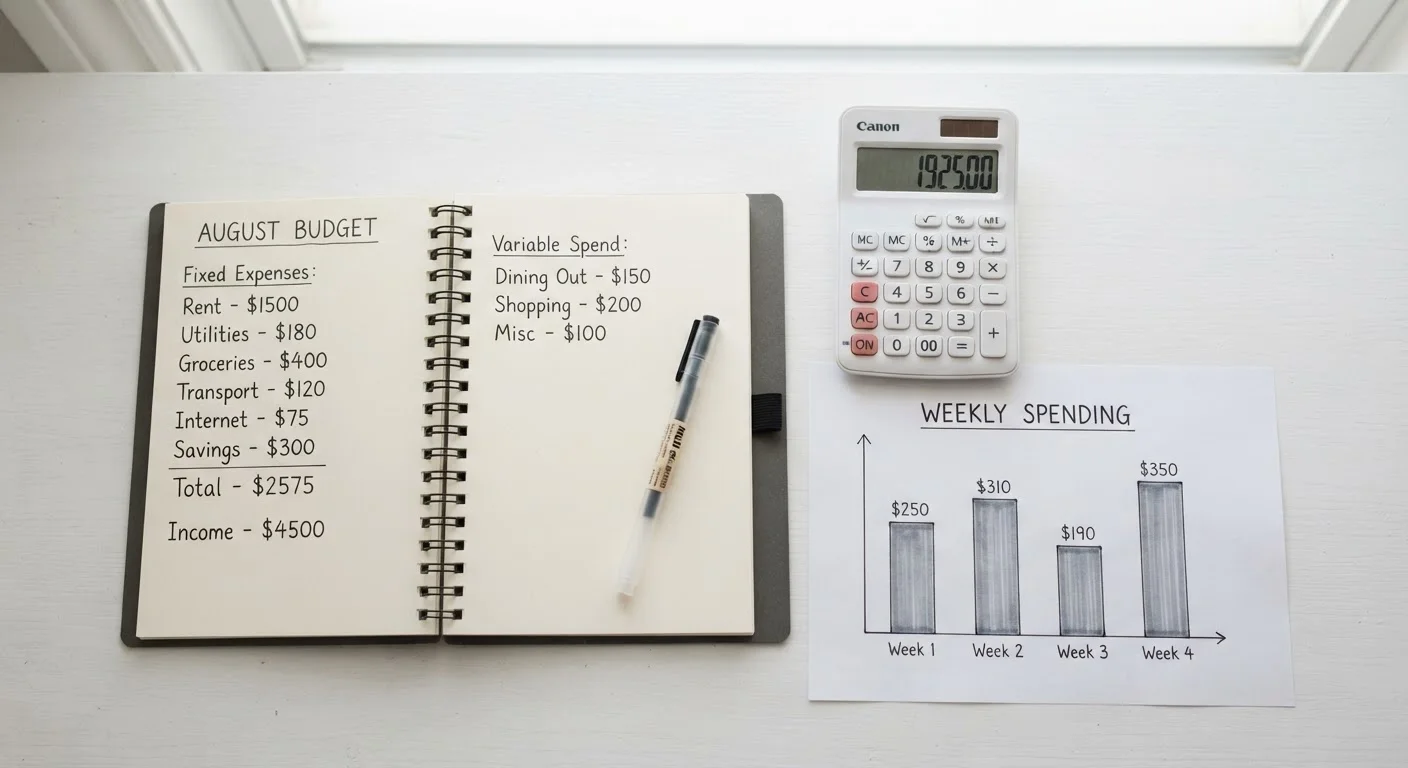
Photo: ReadersChronicle.com | Your Comprehensive Learning Destination editorial
—— In This Article
Key Takeaways
- Not all debt is equally harmful - understanding type and interest rate is the first step.
- Compound interest can significantly increase what you owe if balances aren't paid down promptly.
- Repayment terms directly affect your total cost, not just your monthly payment.
- Two popular payoff strategies - avalanche and snowball - suit different personalities and situations.
- Your debt behavior directly shapes your credit score, which affects future borrowing costs.
- General financial education is a starting point; a licensed professional can help with your specific situation.
What Personal Debt Actually Is
Debt is simply money you've borrowed and agreed to pay back - usually with interest. It's a financial tool, and like most tools, it can be helpful or harmful depending on how it's used.
At its core, every debt involves three things: a principal (the amount borrowed), an interest rate (the cost of borrowing), and a repayment timeline. Understanding how those three elements interact is the foundation for managing debt responsibly.
For a broader grounding in financial vocabulary, see our plain-language glossary of personal finance terms - it pairs well with this guide.
Principal
The original amount of money you borrowed, before any interest is added. Your payments reduce this balance over time.
APR (Annual Percentage Rate)
The yearly cost of borrowing money, expressed as a percentage. It includes interest and sometimes fees, making it a useful number for comparing different loans or credit offers.
Compound Interest
Interest calculated on both your original balance and any interest already added to it. This causes debt to grow faster if balances aren't paid down.
Credit Utilization Ratio
The percentage of your available revolving credit that you're currently using. Keeping this ratio low is generally associated with stronger credit scores.
Amortization
The scheduled process of paying off a loan over time through regular payments. Early in the schedule, more of each payment goes toward interest; later, more goes toward the principal.
Debt-to-Income Ratio (DTI)
A comparison of your total monthly debt payments to your gross monthly income. Lenders use it to gauge how much financial obligation you're already carrying.
The Types of Debt You'll Encounter
Debt comes in two main forms: secured and unsecured.
- Secured debt is backed by collateral - meaning if you stop paying, the lender can take an asset. Mortgages and auto loans are common examples.
- Unsecured debt has no collateral. Credit cards, medical bills, and most personal loans fall here. Because there's more risk for the lender, interest rates are typically higher.
Debt is also either revolving (like a credit card, where you can borrow, repay, and borrow again up to a limit) or installment (like a student loan or car payment, where you borrow once and repay in fixed amounts over time).
Knowing which type you're dealing with changes how you should think about paying it down.
How Interest Works Against You
Interest is the price of borrowing money. It's usually expressed as an annual percentage rate (APR). The higher your APR, the more you pay over time.
What catches many people off guard is compound interest - interest charged not just on your original balance, but on the accumulated interest already added to it. On a high-APR credit card where you only pay the minimum, compound interest can cause your balance to grow faster than you're paying it down.
Minimum Payments and the Interest Trap
On revolving accounts like credit cards, minimum payments are calculated to keep you in good standing - not to get you out of debt quickly. If your monthly interest charge is close to your minimum payment, you're making very little progress on the actual balance. Paying more than the minimum, even modestly, makes a real difference over time.
A lower APR doesn't automatically mean a debt is harmless. A long repayment term on a low-APR loan can still result in paying a substantial amount in total interest. Always consider both rate and timeline together.
Repayment Terms and Why They Matter
A repayment term is the length of time you have to pay off a debt. Longer terms mean smaller monthly payments - but they almost always mean more total interest paid.
For example, stretching a personal loan from 3 years to 5 years reduces your monthly payment, but you're paying interest for two additional years. That tradeoff is worth understanding before you sign.
Key terms to know when reviewing a loan or credit agreement include:
- Minimum payment: The least you must pay each month to stay in good standing - paying only this on revolving debt keeps you in debt longer.
- Amortization: The process of gradually paying off debt through scheduled payments. Early payments typically go more toward interest; later payments shift toward principal.
- Prepayment penalty: A fee some lenders charge if you pay off a loan early. Not all loans have these, but it's worth checking.
Basic Strategies for Managing Debt
Two repayment approaches are widely discussed among personal finance educators:
- Avalanche method: Pay minimums on all debts, then direct extra money toward the highest-interest debt first. This minimizes total interest paid over time.
- Snowball method: Pay minimums on all debts, then target the smallest balance first. Paying off a full balance quickly can provide momentum and motivation.
Neither is universally superior - the right fit depends on your financial situation and what keeps you consistent. A licensed financial professional can help you evaluate your options based on your specific circumstances.
Start with a Budget Before a Strategy
Knowing exactly how much money is coming in and going out each month makes debt repayment far more manageable. Without a budget, even a solid payoff strategy can fall apart. Track your income and fixed expenses first, then identify what's left to direct toward debt.
Building a working household budget is foundational before tackling debt strategy. Our guide on building your first household budget walks through practical first steps.
Debt, Credit, and Your Financial Picture
Your debt behavior feeds directly into your credit score - particularly how much of your available credit you're using (called your credit utilization ratio) and whether you're paying on time. Together, these two factors make up a significant portion of most credit scoring models.
A lower credit score can lead to higher interest rates on future borrowing - which means debt becomes more expensive precisely when you're already stretched. Managing debt carefully protects your options down the road.
To go deeper on how credit works, our Credit Essentials hub covers scores, reports, and practical credit decisions in plain language.
This article provides general financial education and is not personalized financial or legal advice. For guidance specific to your situation, consider speaking with a licensed financial adviser or credit counselor.
This article is for informational purposes only and does not constitute personalized financial, legal, or tax advice. Consult a qualified professional before making decisions about your own debt or financial situation.
Consumer Financial Protection Bureau (CFPB) - Debt Collection Resources
The CFPB offers free, government-backed guides on understanding debt, your rights as a borrower, and what to do if you're struggling to repay. A reliable starting point for unbiased information.
National Foundation for Credit Counseling (NFCC)
A nonprofit network offering access to certified credit counselors who can help you review your debt situation and create a plan - often at low or no cost.
Frequently Asked Questions

Finance Editorial Team
Finance Editorial Team is the collective byline for our editorial team and contributor network. Articles published under this byline or an editorial pen name are researched, written, and reviewed according to our editorial standards for clarity, consistency, and independence before publication.
View author profile