
Envelope Budgeting in a Digital World
The cash envelope method has a long history—discover how its core logic still applies today, even if you rarely use physical cash.
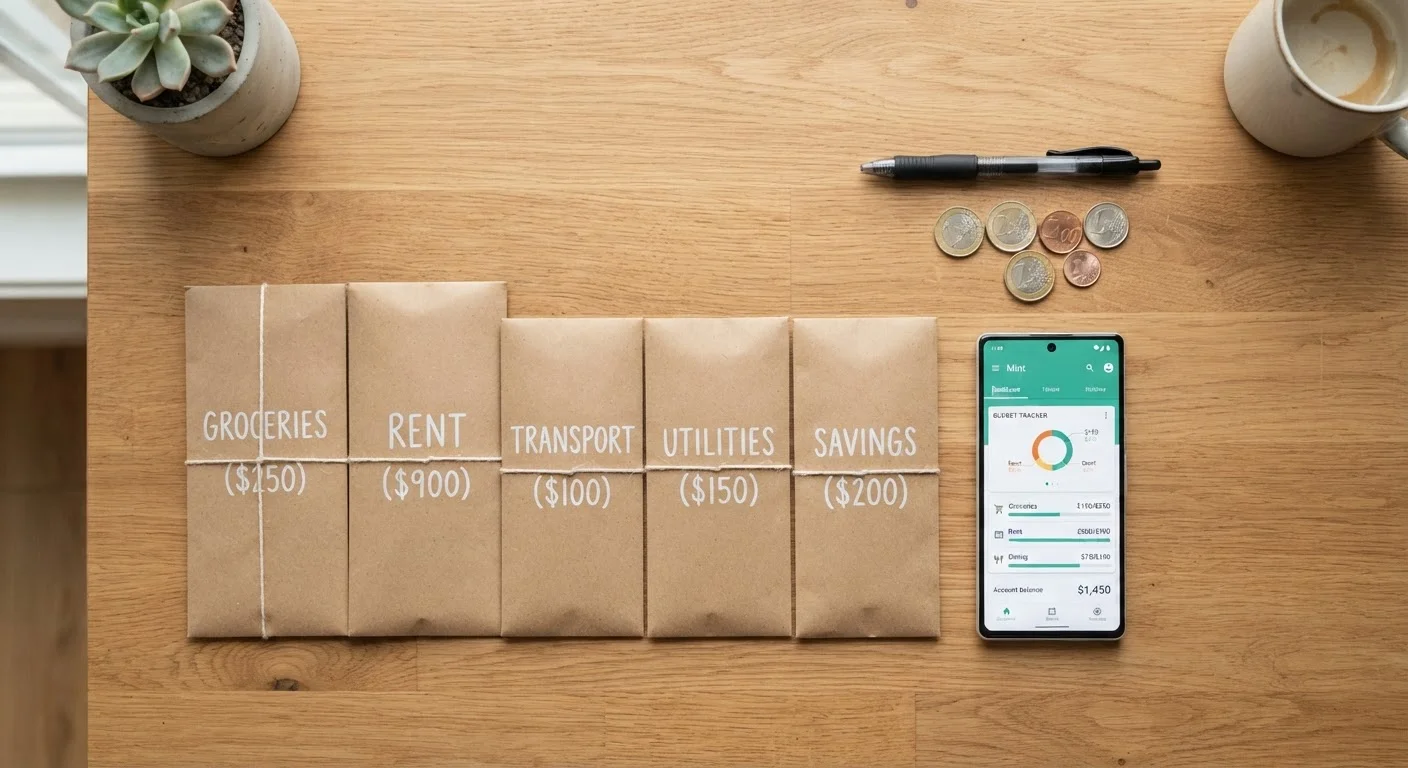
Photo: ReadersChronicle.com | Your Comprehensive Learning Destination editorial
—— In This Article
Key Takeaways
- Envelope budgeting divides income into spending categories with firm limits for each.
- The method works digitally - physical cash is not required to use this approach.
- Its core strength is making overspending immediately visible, not theoretical.
- It pairs well with a broader household budget plan for long-term financial stability.
- Consistency matters more than perfection - adjusting envelopes over time is expected and normal.
Where the Idea Comes From
The envelope system predates modern banking apps by decades. Households living on tight wages would physically separate cash into labeled envelopes at the start of each pay period - one for rent, one for groceries, one for utilities. When the grocery envelope was empty, that was it until the next payday.
The logic was simple and effective: you couldn't accidentally spend the rent money on dining out because it was in a different envelope. The separation was physical and unavoidable.
That same psychology - keeping money mentally and practically separated by purpose - is what makes this method worth understanding today, even if your paycheck lands as a direct deposit and you rarely carry cash. If you're building your first spending plan, our guide to creating your first household budget covers the foundational steps that envelope budgeting fits into.
How the System Works in Practice
At its core, envelope budgeting has three steps:
- List your spending categories. Common ones include groceries, transportation, utilities, dining out, clothing, and entertainment. Fixed bills like rent or insurance are typically handled separately since they don't vary month to month.
- Assign a dollar amount to each category based on your take-home income. Every dollar gets a destination.
- Spend only what's in each category. When the money is gone, you stop - or you consciously borrow from another envelope and accept the trade-off.
The discipline comes from that last step. Traditional budgets often fail not because the math is wrong, but because there's no moment of friction when you're about to overspend. Envelope budgeting creates that friction deliberately.
33%
Americans with a detailed monthly budget
According to Gallup polling, roughly one in three U.S. adults reports maintaining a detailed household budget.
~40%
Adults who say they spend more than they earn
Federal Reserve surveys on household finances have consistently found a significant share of Americans reporting they don't break even monthly.
For a plain-language explanation of terms you'll encounter while building this system - like discretionary spending or sinking funds - see our budgeting vocabulary reference.
Making It Work Without Cash
Most households today use debit cards, credit cards, and automatic payments - making strict cash envelopes impractical. The good news is that the underlying principle translates cleanly into digital formats.
Here are three common approaches people use:
- Budgeting apps with category limits: Several apps let you create virtual spending categories with set amounts, then track each purchase against the balance. The app does the envelope math for you.
- Separate checking accounts: Some people open multiple checking accounts at a bank or credit union and transfer specific amounts into each one at the start of the month - one for groceries, one for discretionary spending, and so on.
- Spreadsheet tracking: A simple spreadsheet where you log every purchase against a category total can replicate the envelope effect with nothing more than a few columns.
Start With Just Three or Four Categories
If managing a dozen envelopes sounds overwhelming, begin with the areas where you feel least in control - often groceries, dining out, and discretionary spending. Once those feel manageable, add more categories. Building the habit matters more than building the perfect system on day one.
If you're weighing physical tracking against digital tools more broadly, our comparison of paper vs. app budget tracking covers the trade-offs honestly.
Strengths, Limits, and Who It Suits
Envelope budgeting tends to work best for people who find that money seems to disappear without a clear explanation - those who earn a reasonable income but consistently end the month wondering where it went. The visibility this system creates is its primary asset.
“A budget is telling your money where to go instead of wondering where it went.”
— John C. Maxwell, Author and leadership speaker, widely cited in personal finance contexts
It's also well-suited for households focused on paying down debt or building an emergency fund, since allocating money to those goals as named categories makes them harder to skip. Our saving and debt resources offer practical strategies that pair well with envelope-style allocation.
The method has real limits, too. It requires consistent upkeep - logging purchases or checking balances regularly. It can feel rigid to people who have highly variable expenses from month to month. And it doesn't automatically account for annual or irregular costs like car registration or holiday spending, unless you intentionally create a category (sometimes called a sinking fund) for those.
Envelope budgeting is one approach among several. For a side-by-side look at how it compares to other frameworks, our comprehensive household budgeting guide covers multiple methods and when each tends to fit.
This article is for general informational and educational purposes only. It does not constitute personalized financial advice. Consider consulting a qualified financial professional for guidance tailored to your specific situation.
Frequently Asked Questions

Finance Editorial Team
Finance Editorial Team is the collective byline for our editorial team and contributor network. Articles published under this byline or an editorial pen name are researched, written, and reviewed according to our editorial standards for clarity, consistency, and independence before publication.
View author profile